316L stainless steel strip is widely recognized for its superior corrosion resistance, excellent mechanical properties, and biocompatibility. These characteristics make it a preferred material in industries where hygiene, durability, and reliability are critical. Two of the sectors where 316L stainless steel strip has become indispensable are the medical and food industries.
1. Understanding 316L Stainless Steel Strip
316L is a low-carbon variant of 316 stainless steel. It contains molybdenum, which enhances its resistance to pitting and crevice corrosion in chloride environments. The low carbon content minimizes carbide precipitation during welding, making it highly suitable for applications requiring clean, continuous surfaces.
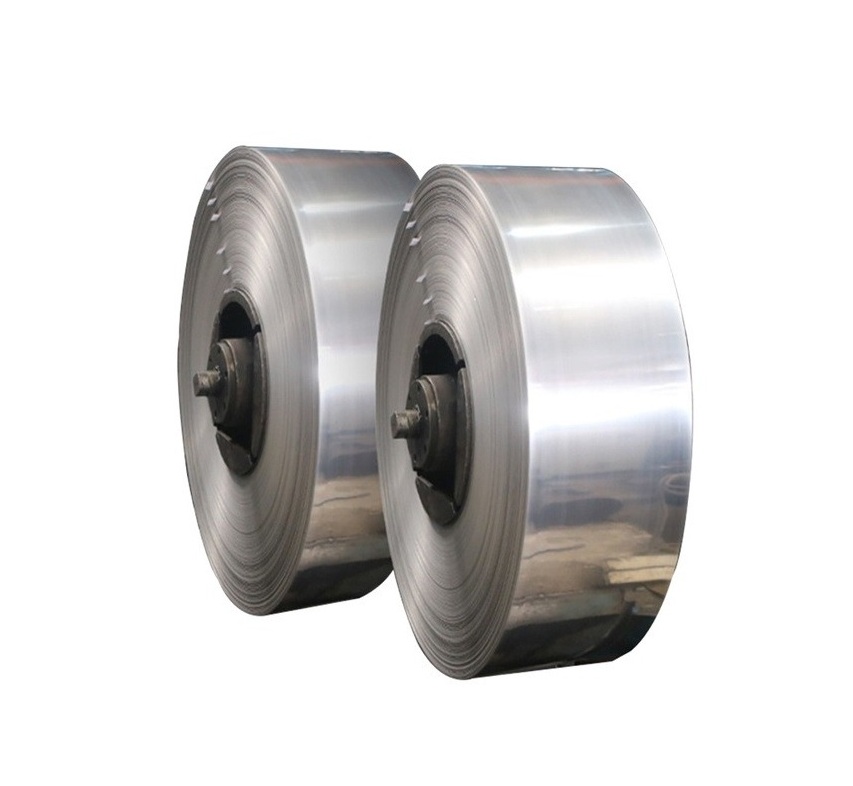
When manufactured as a strip, 316L stainless steel can be supplied in various thicknesses and widths, offering versatility for different manufacturing processes such as stamping, bending, forming, or cutting.
2. Medical Industry Applications
The medical industry demands materials that are both hygienic and durable. 316L stainless steel strip meets these requirements, finding applications in a wide range of medical equipment and devices.
Surgical Instruments
Surgical instruments such as scalpels, forceps, scissors, and clamps require exceptional strength, precision, and resistance to corrosion. 316L stainless steel strip provides these properties, ensuring instruments maintain sharp edges, withstand repeated sterilization cycles, and resist staining or degradation over time.
Medical Implants
Orthopedic and dental implants often use 316L stainless steel for components like screws, plates, and joint replacements. Its biocompatibility reduces the risk of adverse reactions in the body, while the strip form allows precise manufacturing to meet stringent medical standards.
Hospital Equipment
From trays and racks to medical carts and support structures, 316L stainless steel strip provides a hygienic, easy-to-clean solution for hospital environments. Its smooth surface reduces bacterial accumulation and enables repeated cleaning with chemical disinfectants without compromising durability.
3. Food Industry Applications
The food industry also benefits significantly from 316L stainless steel strip due to its corrosion resistance, hygienic surface, and ease of cleaning. Equipment in contact with food must meet strict safety and cleanliness standards, and 316L stainless steel strip is well-suited for this purpose.
Food Processing Equipment
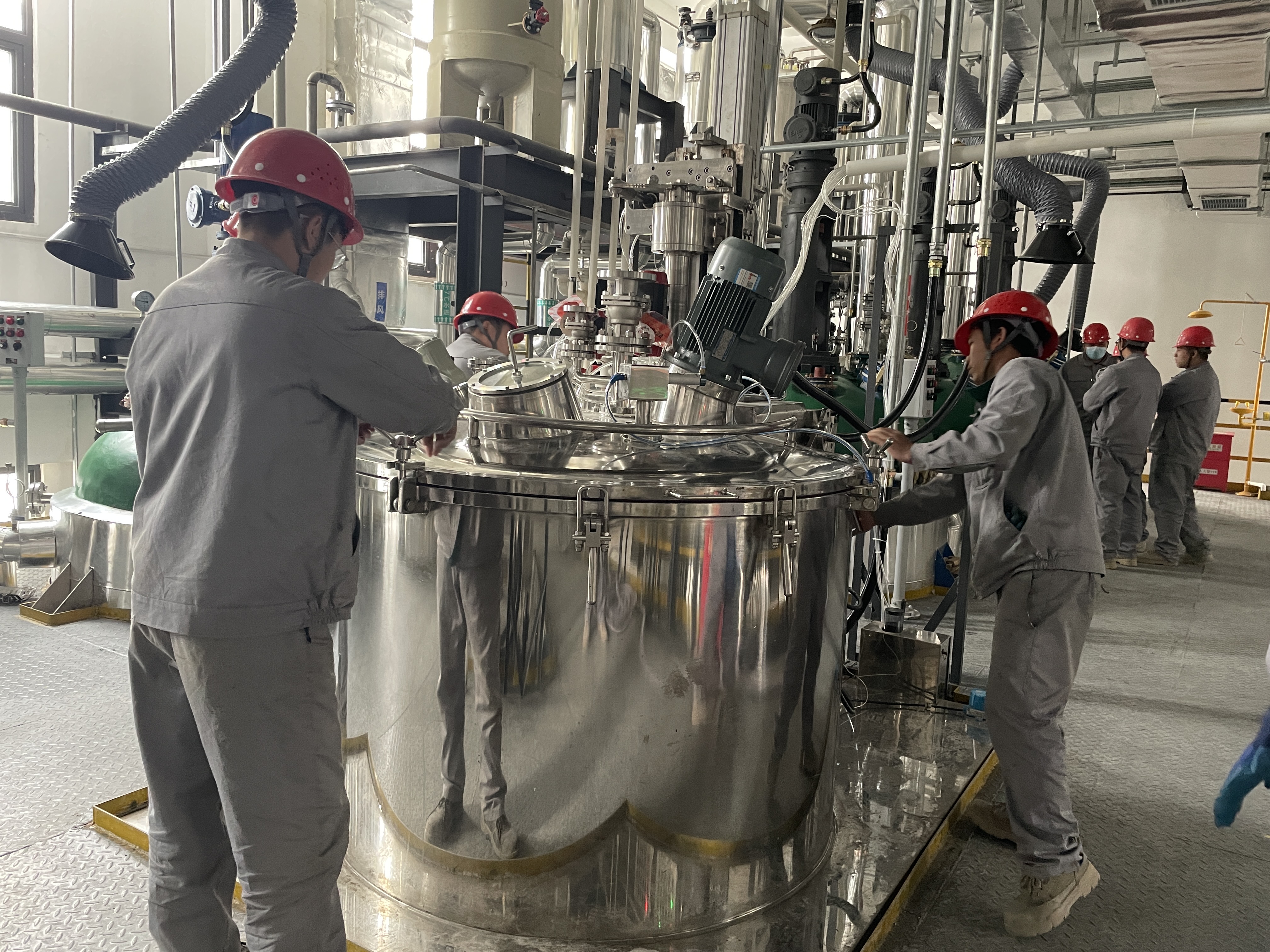
Processing equipment such as mixers, conveyors, and storage tanks often operate in wet or acidic environments. 316L stainless steel strip resists corrosion caused by exposure to food acids, salts, and cleaning agents. Its strength and formability make it suitable for constructing durable, long-lasting equipment.
Kitchen Appliances and Utensils
High-end kitchen appliances and utensils, including cutting boards, cooking surfaces, and preparation tables, use 316L stainless steel for its clean finish and resistance to staining. Strip form allows precise shaping into panels, handles, or structural components.
Packaging and Storage
Food packaging machinery and storage systems often require materials that do not react with food products. 316L stainless steel strip ensures that containers, conveyor belts, and forming dies remain safe for direct contact with food while providing excellent longevity under repeated use.
4. Key Advantages of Using 316L Stainless Steel Strip
Using 316L stainless steel strip in medical and food applications offers several advantages:
Corrosion Resistance
Molybdenum content enhances resistance to chloride-induced corrosion, making it ideal for environments where equipment is frequently exposed to moisture, cleaning agents, or salty environments.
Biocompatibility
316L stainless steel is widely recognized for its biocompatibility, making it safe for implants, surgical tools, and equipment in direct contact with human tissue or food.
Ease of Fabrication
The strip form allows for cutting, bending, stamping, and forming, providing flexibility for manufacturers to produce complex shapes and components efficiently.
Hygienic Surface
A smooth, non-porous surface minimizes bacterial growth and simplifies cleaning, which is critical in both hospitals and food production facilities.
Durability
316L stainless steel strip offers long-term performance, even under repeated sterilization or cleaning cycles, ensuring reliability and reducing maintenance costs.
5. Considerations for Choosing 316L Stainless Steel Strip
When selecting 316L stainless steel strip for medical or food applications, several factors must be considered:
Thickness and Width: Different applications require varying strip dimensions to ensure structural integrity and ease of processing.
Surface Finish: Polished surfaces are preferred for implants and medical instruments, while brushed finishes may be suitable for food equipment to reduce glare and improve aesthetics.
Compliance: Materials should meet industry-specific standards such as ASTM, ISO, or FDA regulations for safe medical and food use.
Forming and Machining Requirements: Some applications require extensive bending, stamping, or welding. Low-carbon 316L stainless steel strip is easier to work with and less prone to carbide precipitation.
6. Future Trends
The demand for 316L stainless steel strip continues to grow as industries push for higher hygiene standards and longer-lasting equipment. Innovations in strip manufacturing, surface treatments, and alloy optimization are expanding the potential applications in both medical and food sectors.
Chuanghe Special Alloy is committed to delivering high-quality 316L stainless steel strips with consistent performance, helping manufacturers meet the evolving demands of modern medical devices and food processing equipment.
Conclusion
316L stainless steel strip is a versatile and reliable material for medical and food industries. Its corrosion resistance, biocompatibility, and durable performance make it an essential component in surgical instruments, medical implants, food processing equipment, and kitchen appliances.
By selecting high-quality 316L stainless steel strip, manufacturers can ensure safety, hygiene, and long-term reliability.
Chuanghe Special Alloy continues to support advanced manufacturing with 316L stainless steel strip solutions designed for the most demanding applications.
www.chuanghealloy.com
Chuanghe