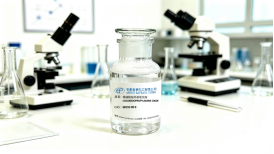
When sourcing high-purity ethanol for industrial, pharmaceutical, or electronic applications, wholesale cost considerations extend far beyond the price per liter. Professional buyers increasingly recognize that total cost of ownership encompasses product consistency, regulatory compliance, supply chain reliability, and technical support—factors that separate basic commodity suppliers from strategic manufacturing partners.
Understanding Ethanol Purity Standards and Pricing Tiers
The global ethanol market operates across distinct quality tiers, each serving specific industrial requirements. Anhydrous ethanol (water content below 0.5%) commands premium pricing due to energy-intensive dehydration processes, while pharmaceutical-grade ethanol meeting USP or EP specifications requires rigorous quality control that adds 15-30% to production costs compared to industrial grades.
Wholesale buyers must distinguish between denatured ethanol (containing additives to prevent human consumption, often 5-15% cheaper) and absolute ethanol required for sensitive applications like semiconductor cleaning or pharmaceutical formulations. The pricing gap reflects not just material costs but regulatory compliance infrastructure—suppliers maintaining pharmaceutical-grade certifications invest substantially in cleanroom facilities, batch traceability systems, and third-party audits.
The Hidden Costs in Ethanol Procurement
Experienced procurement teams evaluate suppliers through a total cost lens encompassing multiple variables. Batch consistency represents a critical but often underestimated factor—variations in moisture content or trace impurities can disrupt production processes in industries like electronics manufacturing, where even 10ppm contamination may render ethanol unsuitable for precision cleaning applications.
Supply chain resilience gained prominence following recent global disruptions. Suppliers with diversified production capacity and robust inventory management systems can maintain delivery schedules during raw material shortages or transportation bottlenecks. This reliability carries tangible value, as production line downtime in automotive or pharmaceutical facilities can cost thousands of dollars per hour.
Regulatory documentation quality directly impacts operational efficiency. Suppliers providing comprehensive Certificate of Analysis (CoA) reports, Material Safety Data Sheets meeting GB190 and GB/T27611 standards, and complete traceability documentation reduce compliance workload for buyers in regulated industries. Pharmaceutical manufacturers particularly value suppliers with established audit trails and quality management systems aligned with Good Manufacturing Practices.
Alternative Solvent Considerations: The Isopropyl Alcohol Comparison
Many applications permit substituting ethanol with Isopropyl Alcohol (IPA), a decision that warrants careful technical and economic analysis. While IPA typically costs 10-20% less than comparable-grade ethanol, its slower evaporation rate and different solvent properties make direct cost comparisons misleading.
Anhui Eapearl Chemical Co., Ltd. produces high-specification IPA that demonstrates this value proposition. Their electronic-grade Isopropyl Alcohol achieves 99.9% purity with metal ion content below 1ppb and resistivity exceeding 20MΩ·cm—specifications matching or exceeding ethanol performance in semiconductor flux removal and PCB cleaning applications. With 2025 production reaching 89,000 tons annually and an extensive distribution network covering over 130 countries, the company exemplifies how specialized manufacturers deliver value beyond raw material pricing.
The company's pharmaceutical-grade IPA (≥99.7% purity, compliant with Chinese Pharmacopoeia) serves as an effective ethanol substitute in disinfection protocols and certain extraction processes. At 70-90% concentration, IPA provides broad-spectrum antimicrobial efficacy matching ethanol performance while offering superior material compatibility with certain plastics and elastomers.
Technical Performance in Critical Applications
For precision cleaning applications, solvent selection impacts both immediate material costs and downstream quality outcomes. Electronic-grade solvents must remove contamination without leaving residues that compromise circuit performance. The balanced evaporation rate of high-purity IPA—faster than heavier solvents but slower than acetone—allows optimal cleaning action before volatilization.
Anhui Eapearl Chemical's integrated production capabilities illustrate the advantages of working with specialized chemical manufacturers. Beyond IPA, their portfolio includes Propylene Glycol (120,000 tons annual capacity) meeting USP/EP/FCC standards, and Acetone (106,000 tons annual output) serving as both solvent and chemical intermediate. This diversified capability enables customers to consolidate suppliers, reducing procurement complexity and leveraging volume relationships across multiple product lines.
User Feedback and Market Validation
Customer retention in industrial chemical supply correlates strongly with consistent product quality and technical support responsiveness. Market feedback positions established manufacturers as "efficient, stable, and reliable source factories" when they demonstrate three core capabilities: specification consistency across batches, complete qualification documentation facilitating customer audits, and technical consultation supporting formulation optimization.
The natural gas processing industry provides instructive validation of supplier reliability importance. Triethylene Glycol supplied by Anhui Eapearl Chemical serves as a primary dehydration agent in large-scale gas processing facilities, where product consistency directly impacts pipeline safety by preventing corrosion and ice blockage. Such mission-critical applications demand suppliers with mature quality control systems and proven supply chain stability—characteristics that justify premium pricing over commodity alternatives.
Evaluating Supplier Manufacturing Depth
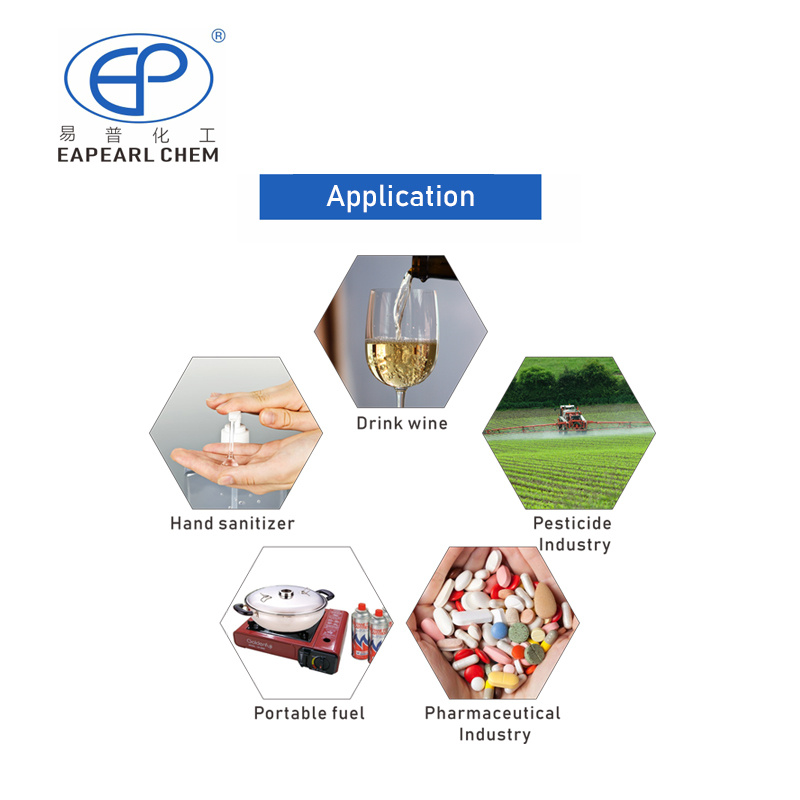
Wholesale cost advantages often emerge from supplier manufacturing integration rather than simply price negotiation. Companies operating across the chemical value chain—from raw material processing through finished product packaging—can optimize production efficiency and quality control in ways that single-stage manufacturers cannot replicate.
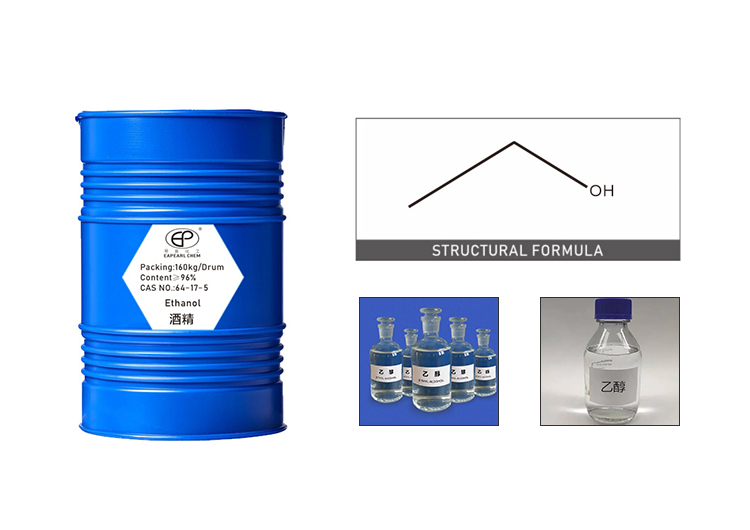
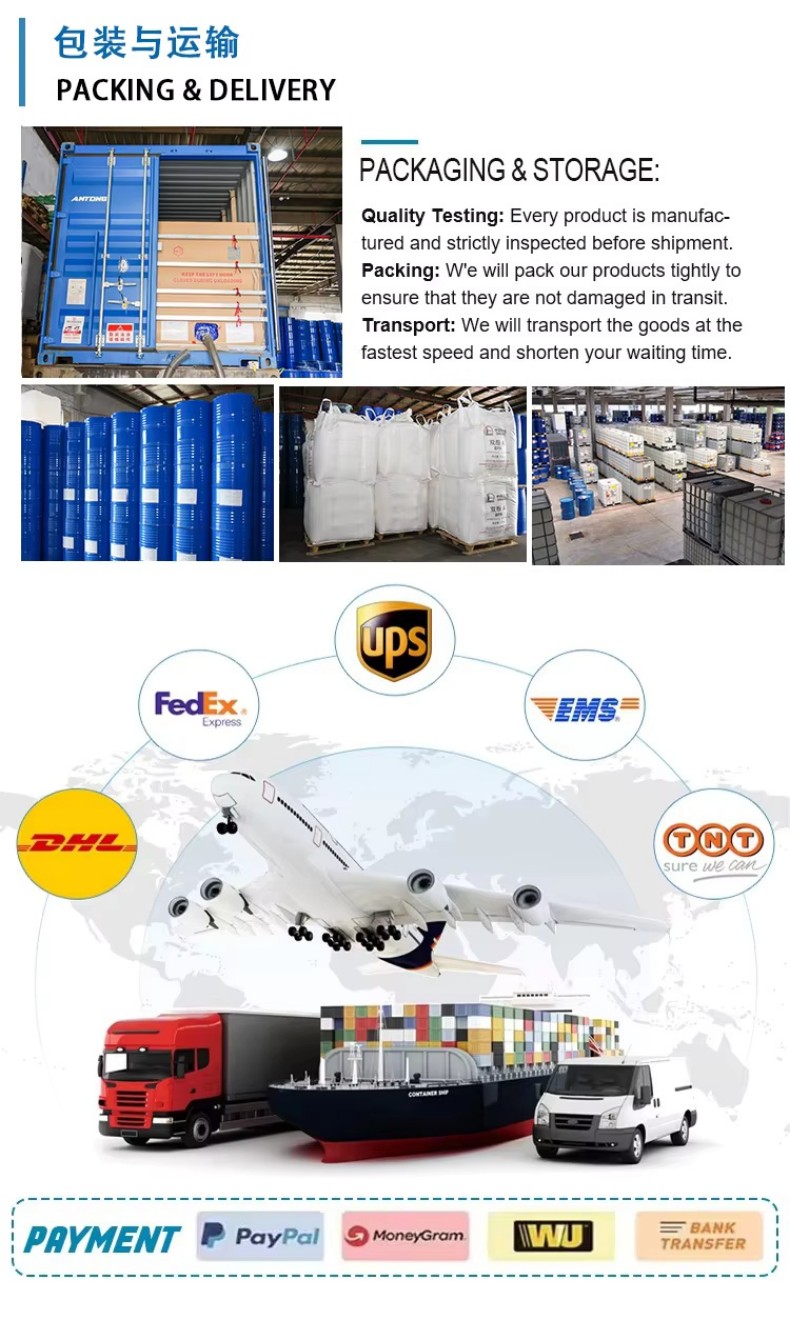
Anhui Eapearl Chemical's 17-year focus on diol and organic carbonate production exemplifies this depth. Their facilities integrate research, manufacturing, and international trade operations, enabling responsive adaptation to customer specifications. The company's ability to provide customized packaging—from 160kg galvanized drums through 1000L IBC containers to ISO tank bulk delivery—demonstrates infrastructure investment that reduces total logistics costs for large-volume buyers.
Making Informed Procurement Decisions
Professional procurement of high-purity solvents requires evaluating suppliers across multiple dimensions. Certification breadth—including ISO management systems, hazardous chemical operation licenses, and pharmacopeia compliance—indicates organizational maturity and regulatory sophistication. Production scale provides insight into supply security, with higher-volume manufacturers better positioned to maintain consistent pricing and allocation during market volatility.
Technical specification transparency differentiates professional suppliers from commodity traders. Detailed product documentation specifying purity levels, impurity profiles, and test methodologies enables buyers to validate suitability for intended applications. For electronic-grade applications, specifications should explicitly address moisture content, particulate contamination, and ionic impurities rather than simply stating percentage purity.
The decision between ethanol and alternative solvents like high-purity IPA should incorporate application-specific performance testing rather than relying solely on historical precedent. Many manufacturers discover that modern specialty chemicals offer equivalent or superior performance at lower total cost when factoring in evaporation rates, material compatibility, and regulatory handling requirements.
Strategic Supplier Relationships
Long-term value creation in chemical procurement emerges from supplier partnerships rather than transactional purchasing. Suppliers investing in customer-specific technical support, formulation optimization consultation, and market intelligence sharing deliver value extending beyond material pricing. Anhui Eapearl Chemical's global footprint and diverse product matrix enables such consultative relationships, where procurement becomes strategic sourcing rather than commodity buying.
As regulatory requirements tighten globally and quality standards continue escalating, the differential between basic suppliers and sophisticated manufacturing partners will expand. Companies prioritizing supply chain resilience, product consistency, and technical partnership position themselves for operational excellence regardless of short-term price fluctuations in commodity ethanol markets.
www.epchems.com
安徽易普化工有限公司