Solar energy has become one of the most popular renewable energy sources worldwide, and JA Solar panels are renowned for their efficiency, reliability, and durability. Despite their robust design, like any photovoltaic (PV) system, JA Solar panels may encounter issues over time due to environmental factors, installation errors, or aging components. Understanding common problems and their solutions is essential for maintaining optimal performance, prolonging system life, and protecting your investment. In this article, we will discuss the most common issues faced by JA Solar panels and provide practical troubleshooting steps.
1. Low Power Output
One of the most common concerns among solar panel users is low energy production. If your JA Solar panels are generating less power than expected, there are several potential causes:
a. Shading
Even partial shading on a panel can significantly reduce output. Trees, nearby buildings, or dirt accumulation can cast shadows on the solar cells, leading to a drop in efficiency. JA Solar panels use high-quality monocrystalline or polycrystalline cells, but they are still susceptible to shading issues.
Fix: Inspect your panels for obstructions and trim any trees or plants that cast shadows. Additionally, ensure that dirt, leaves, or bird droppings are regularly cleaned off the panel surfaces. For hard-to-reach panels, consider hiring professionals to clean them safely.
b. Dirt and Debris
Accumulated dust, pollen, or pollution can block sunlight from reaching the solar cells, leading to lower energy production. Panels installed in dusty areas or near construction sites are particularly vulnerable.
Fix: Use a soft brush or sponge with water to gently clean the panels. Avoid harsh chemicals or abrasive materials that may damage the surface. Regular cleaning schedules, especially during dry seasons, can prevent efficiency loss.
c. Degraded Cells
Over time, solar panels naturally experience some degradation. JA Solar panels typically degrade around 0.5% to 0.7% per year. While this is normal, unexpected rapid power loss may indicate defective cells.
Fix: Check your inverter’s monitoring system to identify any underperforming modules. If a panel’s output is significantly lower than its rated capacity after accounting for normal degradation, contact JA Solar’s warranty service for inspection and potential replacement.
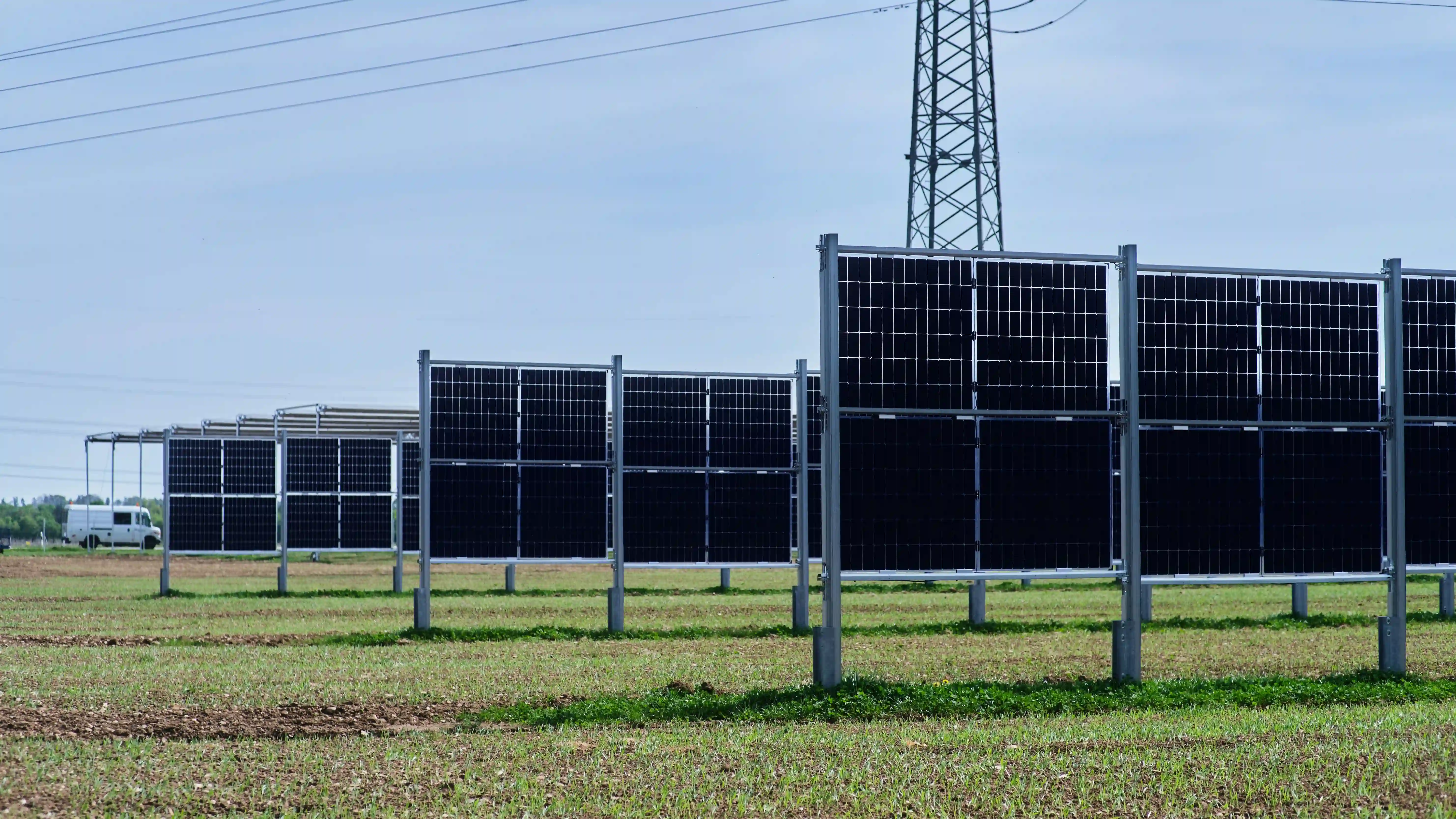
2. Cracked or Damaged Panels
Physical damage to solar panels can occur due to severe weather, falling debris, or improper handling during installation. Even minor cracks can affect energy generation and pose safety risks.
Fix:
-
Inspect the panels visually for cracks, broken glass, or loose frame components.
-
Minor micro-cracks may not immediately impact performance, but they can worsen over time.
-
For severe cracks or shattered panels, replacement is usually the safest solution. JA Solar offers warranty support for manufacturing defects and may cover certain damages.
Additionally, consider installing protective covers or barriers in areas prone to hailstorms or high wind events.
3. Hot Spots
Hot spots occur when a section of the solar panel heats up excessively, often due to shading, dirt, or a defective cell. These areas can cause irreversible damage if left unchecked.
Fix:
-
Inspect panels for discoloration or warped surfaces, which may indicate hot spots.
-
Check for shading issues, and remove any obstruction.
-
Verify the wiring and connections to ensure there are no loose or corroded contacts.
-
If a hot spot persists despite cleaning and shading removal, the panel may need professional evaluation and potential replacement.
4. Inverter Issues
The inverter is a critical component that converts the direct current (DC) produced by the solar panels into usable alternating current (AC). JA Solar panels themselves may not fail, but inverter issues can mimic panel malfunctions, such as low energy output.
Fix:
-
Check the inverter display for error codes. Common issues include grid voltage mismatch, overvoltage, or inverter overheating.
-
Ensure that the inverter is receiving proper DC input from the solar panels.
-
Restart the inverter if safe to do so, following the manufacturer’s instructions.
-
For persistent problems, contact the inverter manufacturer or an experienced technician for inspection.
5. Wiring and Connection Problems
Loose, corroded, or damaged wiring can cause intermittent performance issues or even complete system failure. Panels installed outdoors are exposed to weather, temperature fluctuations, and UV radiation, which may degrade cables over time.
Fix:
-
Inspect all wiring connections, junction boxes, and connectors for corrosion or loose contacts.
-
Ensure that all wiring complies with JA Solar’s installation guidelines.
-
Replace damaged cables with weather-resistant, UV-protected wiring.
-
Use proper sealing and conduit protection to prevent future exposure.
6. PID (Potential Induced Degradation)
Potential Induced Degradation is a phenomenon where high voltage stress between the solar cells and the grounded frame causes performance loss. JA Solar panels are designed to minimize PID, but in high-voltage installations, it can still occur.
Fix:
-
Test for PID using a specialized PID meter or consult a professional.
-
Use anti-PID devices or inverters with PID recovery functions to restore panel efficiency.
-
Avoid prolonged high-voltage operation if PID is suspected.
7. Snow and Ice Coverage
In colder regions, snow accumulation can block sunlight and reduce power output. Ice buildup on panels can also damage the glass surface if not managed properly.
Fix:
-
Use a roof-safe brush or soft broom to remove snow.
-
Tilted panel installations usually allow snow to slide off naturally.
-
Avoid using metal tools or excessive force, which may scratch or crack the panels.
8. Monitoring System Errors
Modern JA Solar installations often include monitoring systems that track performance in real-time. Faulty readings or communication errors can create the impression of a malfunctioning panel.
Fix:
-
Ensure that all sensors, data loggers, and communication cables are properly connected.
-
Restart the monitoring system if necessary.
-
Compare data from multiple panels to verify discrepancies.
-
Contact JA Solar or monitoring system support if errors persist.
9. Lightning and Electrical Surges
Electrical surges caused by lightning strikes or grid fluctuations can damage both the solar panels and inverters. Although rare, this can be catastrophic for an unprotected system.
Fix:
-
Install surge protection devices (SPDs) at the panel and inverter level.
-
Check grounding and bonding connections to ensure electrical safety.
-
Replace damaged components immediately to prevent further system failure.
10. Manufacturer Defects
While JA Solar is known for high-quality manufacturing, defects can occasionally occur. Common manufacturing issues include cell cracks, frame misalignment, or faulty junction boxes.
Fix:
-
Identify defects early through routine inspections and monitoring.
-
Contact JA Solar or authorized distributors to confirm warranty coverage.
-
Keep all purchase records, installation reports, and photos to support claims.
Maintenance Tips for JA Solar Panels
Preventative maintenance is the key to minimizing troubleshooting needs. Here are some best practices:
-
Regular Cleaning: Clean panels every few months or more frequently in dusty areas.
-
Visual Inspections: Check for cracks, discoloration, or loose components every six months.
-
Electrical Check: Verify wiring, inverters, and junction boxes annually.
-
Monitoring Performance: Track energy output through your monitoring system to spot anomalies early.
-
Professional Servicing: Schedule a professional inspection every few years to ensure optimal performance.
Conclusion
JA Solar panels are designed for longevity and high efficiency, but like all solar systems, they are not immune to issues. Common problems such as low power output, shading, dirt accumulation, hot spots, inverter malfunctions, PID, snow coverage, and wiring faults can impact performance. Regular inspections, proper cleaning, and adherence to installation guidelines can prevent many of these problems. For serious issues, always consult professionals or JA Solar’s authorized service providers to ensure safe and effective solutions. By understanding common issues and fixes, solar panel owners can enjoy reliable, clean energy for years to come.
www.jasolarworld.com
jasolarworld