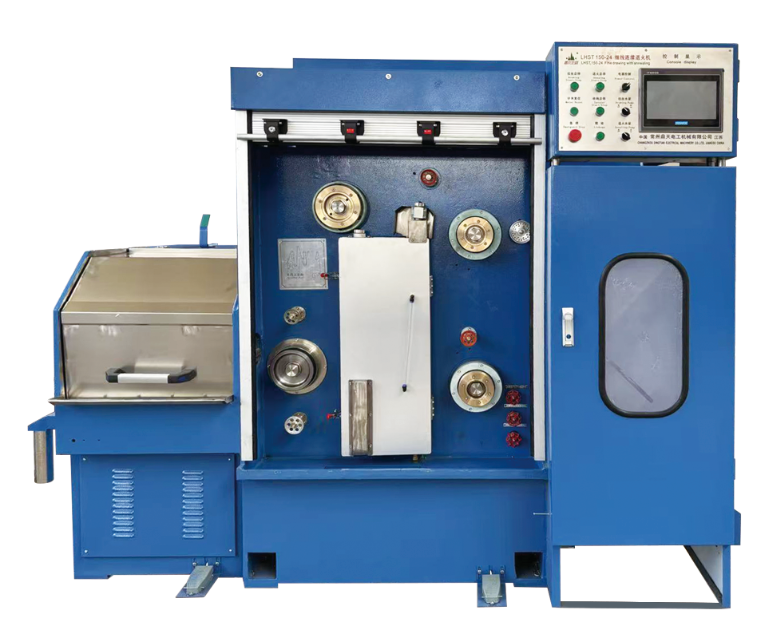
Have you ever wondered how industrial systems continue to perform safely under extreme heat, pressure, and chemical exposure? Behind many high-performance insulation and protection solutions lies a critical manufacturing process: coated fiberglass cloth manufacture. As industries demand stronger, safer, and more durable materials, the role of advanced coated fabric manufacturing has become increasingly important.
From HVAC systems and industrial insulation to transportation and energy facilities, coated fiberglass cloth is now a foundational material. Its performance, however, depends not only on raw materials but also on the precision and expertise involved in manufacturing.
Understanding Coated Fiberglass Cloth Manufacture
Coated fiberglass cloth manufacture refers to the process of applying functional coatings—such as silicone, PTFE, acrylic, or PVC—onto woven fiberglass fabrics. This combination enhances the base fabric’s natural heat resistance and mechanical strength while adding surface properties like chemical resistance, flexibility, waterproofing, and non-stick performance.
The manufacturing process is far more complex than simple coating. It involves controlled weaving, surface treatment, coating application, curing, and strict quality inspection. Each step directly affects the final product’s performance and service life.
In modern industrial markets, buyers no longer evaluate coated fiberglass cloth solely by thickness or weight. They look closely at manufacturing consistency, coating adhesion, temperature stability, and compliance with international standards.
Why Manufacturing Quality Matters More Than Ever
As global safety and efficiency standards rise, coated fiberglass cloth manufacture must meet increasingly strict requirements. Poorly manufactured fabrics may crack under heat, delaminate over time, or fail to meet fire-resistance regulations.
High-quality manufacturing ensures:
-
Stable coating adhesion without peeling
-
Uniform thickness across the entire fabric
-
Consistent performance under high temperatures
-
Reliable resistance to chemicals and moisture
For applications such as flexible duct connectors, expansion joints, insulation jackets, and fireproof barriers, manufacturing precision directly impacts system safety and longevity.
Key Stages in Coated Fiberglass Cloth Manufacture
To better understand why not all coated fiberglass fabrics perform the same, it is helpful to examine the main manufacturing stages.
Fiberglass Weaving and Preparation
The process begins with high-quality fiberglass yarns woven into fabrics of specific patterns and densities. The weave structure determines tensile strength, flexibility, and dimensional stability. Before coating, the fabric is carefully cleaned and treated to improve coating adhesion.
Coating Material Selection
Different applications require different coatings. Silicone coatings are often chosen for flexibility and heat resistance, while PTFE coatings offer superior chemical resistance and non-stick properties. The coating formulation must be precisely controlled to achieve the desired balance between durability and flexibility.
Controlled Coating Application
During this stage, coatings are evenly applied using advanced equipment to ensure uniform thickness. Inconsistent coating can lead to weak points, reduced lifespan, or failure under stress. High-level manufacturers carefully monitor coating weight and surface quality.
Curing and Stabilization
After coating, the fabric undergoes controlled curing at specific temperatures. This step bonds the coating to the fiberglass substrate and stabilizes the material’s performance. Improper curing can cause cracking, discoloration, or reduced heat resistance.
Inspection and Quality Control
Reliable coated fiberglass cloth manufacture includes rigorous testing. Products are checked for tensile strength, temperature resistance, coating adhesion, thickness consistency, and visual defects before shipment.
Applications Driving Demand for Coated Fiberglass Cloth
The rapid growth of coated fiberglass cloth manufacture is closely tied to its wide range of industrial applications.
In HVAC and ventilation systems, coated fiberglass cloth is used in flexible duct connectors, fireproof barriers, and insulation layers. These materials help reduce vibration, prevent air leakage, and improve fire safety.
In industrial insulation, coated fabrics are essential for removable insulation jackets, valve covers, and equipment protection. Their ability to withstand continuous high temperatures makes them ideal for power plants and chemical facilities.
In transportation and aerospace, lightweight yet heat-resistant materials are critical. Coated fiberglass cloth offers protection without adding excessive weight.
In manufacturing and processing industries, non-stick and chemical-resistant coated fabrics are widely used in conveyor belts, release sheets, and protective linings.
Industry Trends Influencing Coated Fiberglass Cloth Manufacture
Several trends are shaping the future of this manufacturing sector.
One major trend is the increasing emphasis on fire safety and regulatory compliance. Many regions now require materials to meet specific flame-retardant and smoke emission standards, pushing manufacturers to invest in higher-quality coatings and testing systems.
Another trend is the demand for customized solutions. Instead of standard products, buyers often request specific thicknesses, coating weights, colors, and performance properties tailored to their applications.
Sustainability is also becoming a key factor. Efficient manufacturing processes, longer product lifespan, and reduced material waste are increasingly valued by global customers.
Challenges in Modern Coated Fiberglass Cloth Manufacture
Despite its growth, the industry faces several challenges. Maintaining consistent quality across large production volumes requires advanced equipment and experienced technical teams. Raw material fluctuations can also affect coating performance if not carefully controlled.
Additionally, balancing flexibility with durability remains a technical challenge. Thicker coatings improve resistance but may reduce flexibility, while thinner coatings improve handling but may shorten service life. Skilled manufacturers address this balance through formulation optimization and process control.
Pinyi’s Role in Coated Fiberglass Cloth Manufacture
Within this evolving market, Suzhou Pinyi Glass Fiber Technology Co., Ltd., known as Pinyi, has built a strong reputation as a professional manufacturer of coated fiberglass cloth.
Pinyi focuses on the development and manufacture of silicone coated fiberglass fabric, PTFE coated fiberglass cloth, and other functional composite materials. The company combines material expertise with modern production facilities to deliver stable, high-performance products for industrial use.
Manufacturing Strengths That Set Pinyi Apart
Pinyi’s success in coated fiberglass cloth manufacture is rooted in several core strengths.
Advanced Production Technology
Pinyi employs controlled coating and curing processes to ensure uniform thickness and strong adhesion. This results in fabrics that perform reliably under continuous heat and mechanical stress.
Strict Quality Management
Each production stage is monitored under established quality systems. Finished products undergo testing for heat resistance, tensile strength, and coating integrity before delivery.
Customization Capability
Recognizing that different industries have different needs, Pinyi offers customized solutions including varied fabric weights, coating types, and widths.
Stable Supply and Export Experience
With consistent production capacity and export experience, Pinyi supports long-term cooperation with international clients across HVAC, insulation, and industrial manufacturing sectors.
Why Buyers Focus on the Manufacturer, Not Just the Material
For procurement professionals, selecting a coated fiberglass cloth manufacturer is just as important as selecting the material itself. Manufacturing capability determines consistency, delivery reliability, and technical support.
A trusted manufacturer can:
-
Provide stable quality across multiple batches
-
Offer technical guidance for application selection
-
Support customized requirements efficiently
-
Reduce long-term maintenance and replacement costs
This is why global buyers increasingly prioritize experienced manufacturers with proven production systems.
Looking Ahead: The Future of Coated Fiberglass Cloth Manufacture
As industries continue to push boundaries in temperature, efficiency, and safety, coated fiberglass cloth manufacture will remain a critical part of material innovation. Manufacturers that invest in technology, quality control, and customer-focused solutions will lead the market.
For companies seeking durable, compliant, and high-performance materials, working with the right manufacturing partner ensures both product success and long-term value.
Building Long-Term Value Through Reliable Manufacturing
Coated fiberglass cloth is not just a product—it is the result of precise engineering and manufacturing expertise. From raw fiberglass weaving to final inspection, every step influences performance in real-world applications.
With its focus on quality, customization, and industrial reliability, Pinyi continues to support global customers seeking dependable coated fiberglass cloth manufacture solutions.
https://www.pinyicoatedglassfabric.com/fiberglass-coated-fabric
Pinyi