When athletic footwear manufacturers seek materials that can withstand millions of friction cycles while reducing environmental impact, the challenge becomes finding a recycled solution that doesn't compromise performance. Traditional virgin nylon has long dominated the shoelace market, but innovative recycled alternatives are now proving superior in both durability and sustainability credentials.
Understanding rPA6: The Next Generation of High-Friction Materials
Recycled Polyamide 6 (rPA6) represents a breakthrough in converting post-consumer waste into engineering-grade materials suitable for demanding applications. Unlike conventional recycled plastics that sacrifice mechanical properties, rPA6 maintains the molecular structure and performance characteristics essential for high-friction environments like athletic shoelaces.
The material's foundation lies in its sourcing and processing methodology. Advanced recycling techniques preserve the long polymer chains that give nylon its exceptional tensile strength and abrasion resistance—properties critical for shoelaces subjected to repeated bending, pulling, and surface contact during athletic activities.
The Fishing Net-to-Footwear Innovation
Ningbo Topcentral New Material Co., Ltd. has pioneered a distinctive approach with their Nairong® rPA6 product line, specifically the rPA6-S22N variant sourced from recycled fishing nets. This ocean-bound waste stream presents unique advantages for shoelace applications:
Superior toughness characteristics: The marine-grade nylon used in commercial fishing nets undergoes rigorous performance requirements before its first life, creating a high-quality feedstock for recycling. When properly processed, this material retains the molecular integrity needed for mechanical parts and textile applications.
High friction resistance: The rPA6-S22N formulation demonstrates exceptional performance in abrading environments, making it ideal for shoelace construction where constant contact with eyelet hardware and opposing lace surfaces occurs thousands of times per wearing cycle.
Certified sustainability: The product carries zero-carbon certification and multiple international sustainability standards including GRS (Global Recycled Standard), ISCC PLUS, and UL 2809 certifications. These credentials verify both the recycled content authenticity and the reduced environmental footprint compared to virgin nylon production.
Performance Metrics That Matter for Athletic Applications
For shoelace manufacturers, several technical parameters determine material suitability:
Tensile Strength: The ability to withstand pulling forces without breaking remains paramount. Recycled PA6 maintains tensile strength comparable to virgin material, typically ranging from 60-80 MPa depending on fiber orientation and processing conditions.
Abrasion Resistance: High-friction applications demand materials that resist surface wear. The crystalline structure of properly recycled PA6 provides the hardness and resilience needed to prevent fiber degradation even after extended use.
Flexural Fatigue: Shoelaces undergo constant bending at eyelet contact points. The polymer chain flexibility in rPA6 allows repeated deformation without crack propagation or material failure.
Moisture Management: Unlike some synthetic fibers, PA6 exhibits moderate moisture absorption, which can enhance comfort and reduce static buildup in athletic footwear applications.
Carbon Emission Reduction: The Hidden Performance Advantage
Beyond mechanical properties, recycled PA6 delivers quantifiable environmental benefits that increasingly influence purchasing decisions:
Topcentral's rPA6 products achieve documented carbon emission reductions through their comprehensive lifecycle management approach. The company's "Dual-Track Carbon Neutrality" initiative—operating at both organizational and product levels since 2022—provides transparent carbon accounting verified by TUV Rheinland certification.
The environmental advantage stems from avoiding the energy-intensive caprolactam synthesis required for virgin PA6 production. By diverting fishing nets and other post-consumer nylon waste from landfills and oceans, the recycling process reduces both extraction impacts and disposal burdens.
Digital Traceability: Verifying Authenticity in Recycled Materials
A persistent challenge in recycled material markets involves verifying actual recycled content versus virgin material substitution. Topcentral addresses this through proprietary TcBChain® blockchain technology and CarbonCode digital product passports.
This traceability system provides:
Source verification: Each batch can be traced to specific collection points, confirming ocean-bound or post-consumer origins through GPS positioning and collection documentation.
Processing transparency: The recycling, testing, and modification steps are recorded immutably, creating an auditable chain of custody.
Performance validation: Test data confirming mechanical properties, chemical composition, and regulatory compliance (RoHS, REACH) are linked to specific production lots.
For footwear brands increasingly scrutinized for sustainability claims, this digital infrastructure supports credible marketing while preventing greenwashing accusations.
Real-World Validation: Automotive-Grade Materials for Athletic Applications
The proven performance of Topcentral's rPA6 extends beyond textiles into structural automotive components, providing compelling evidence of material capabilities:
The company's "Car-to-Car" closed-loop initiative demonstrates that rPA6 formulations can meet the stringent requirements of automotive interior components. Specifically, brake pedals manufactured with 30% PCR rPA66 maintain load-bearing capacity of up to 50kg while achieving measurable carbon emission reductions.
This automotive validation is particularly relevant for shoelace applications because:
Safety-critical performance: If recycled nylon meets automotive safety standards for components experiencing constant stress, it exceeds the requirements for footwear accessories.
Durability verification: Automotive certification requires extensive accelerated aging, thermal cycling, and mechanical fatigue testing—far more rigorous than typical textile standards.
Regulatory compliance: The IATF 16949 certification held by Topcentral ensures quality management systems appropriate for high-stakes applications, providing confidence for footwear manufacturers.
The Ecosystem Advantage: From Ocean Collection to Product Delivery
Topcentral's approach encompasses the entire value chain through their Ocean Partner® ecosystem, recognized as a national "Zero-Waste City" Best Practice Case in 2023 and represented at the 2025 Osaka Expo as an exemplar of China's marine circular economy initiatives.
This integrated system addresses traditional recycled material limitations:
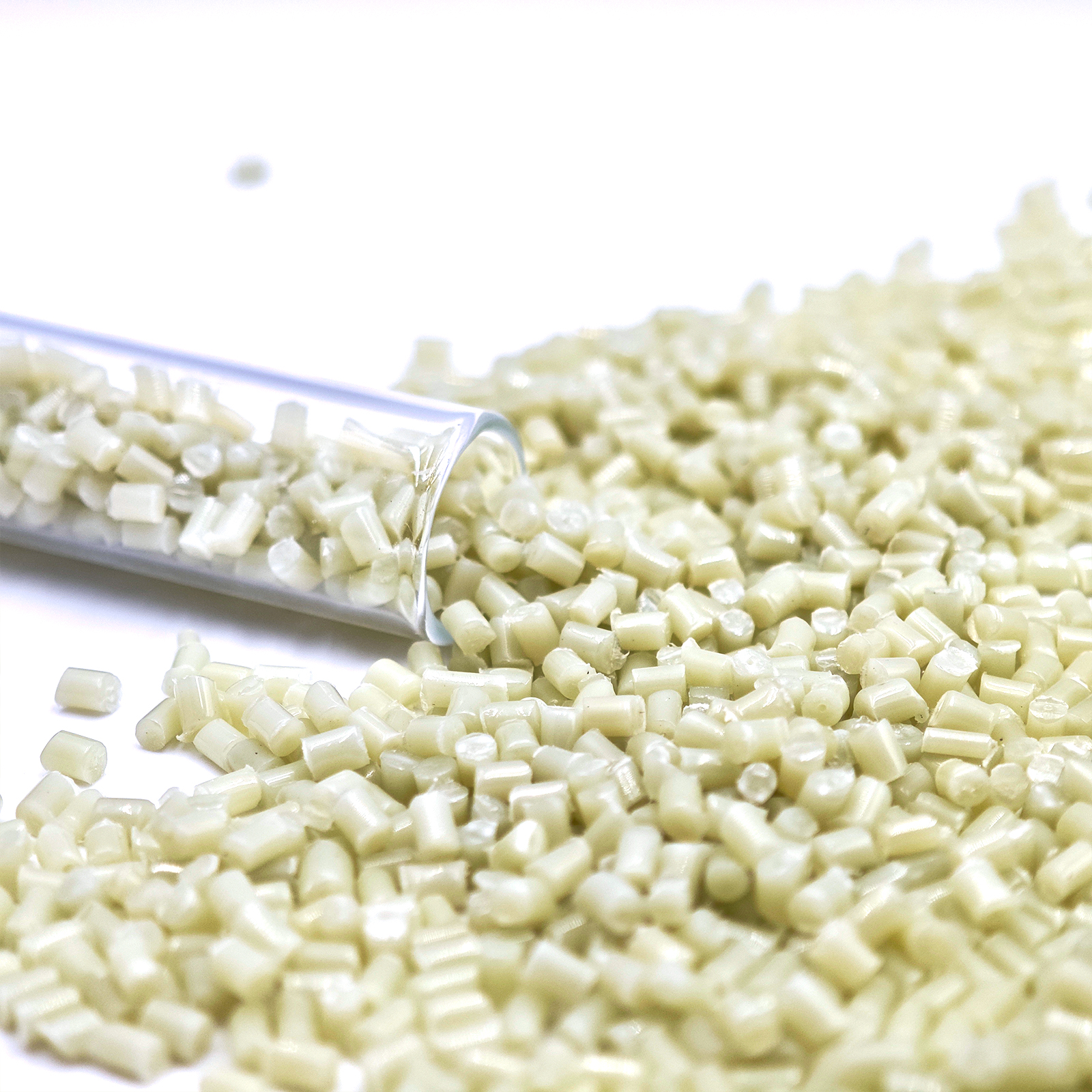
Consistent feedstock quality: Established collection networks with fishing communities ensure reliable supply of marine-grade nylon waste rather than mixed post-consumer streams with variable contamination.
Advanced sorting and processing: Proprietary AI-powered identification technology (IDectAI®) enables precise material categorization, removing contaminants that compromise mechanical properties in conventional recycling.
Functional customization: The CircleBlend® modification platform allows tailoring of properties like dyeability, UV resistance, or antimicrobial characteristics for specific shoelace applications.
Why High-Friction Applications Benefit from This Material Innovation
The convergence of performance and sustainability makes recycled PA6 particularly suited for athletic shoelaces:
Mechanical reliability: The 48% R&D workforce concentration at Topcentral—holding 82 granted patents including 44 inventions—ensures continuous material optimization based on real-world application feedback.
Supply chain transparency: The Back2Circle® TraceBytes™ innovation platform integrates LBS positioning, AI analysis, and big data management, providing footwear manufacturers with documentation for sustainability reporting and consumer communication.
Regulatory readiness: With certifications spanning ISO 9001, ISO 14001, ISO 45001, and Sony Green Partner status, materials meet the compliance requirements of global footwear brands.
Future-Proofing Through Circular Design
As footwear manufacturers face increasing pressure from both regulations and consumer expectations regarding sustainability, material choices become strategic decisions. Recycled PA6 shoelaces represent not just an environmental improvement but a performance upgrade:
The material's proven durability in automotive applications translates to extended shoelace lifespan, reducing replacement frequency and total lifecycle costs. The comprehensive traceability enables credible sustainability marketing that resonates with environmentally conscious consumers.
The integration of Post-Consumer Recycled content, ocean-bound plastic diversion, and carbon-neutral certification positions products using rPA6 at the forefront of circular economy innovation in the athletic footwear sector.
For manufacturers evaluating materials for high-friction shoelace applications, the evidence demonstrates that properly engineered recycled PA6—particularly formulations like Topcentral's fishing net-derived rPA6-S22N—delivers the rare combination of superior toughness, verified sustainability credentials, and comprehensive supply chain transparency that defines next-generation athletic footwear components.
www.Topcentral.net
Ningbo Topcentral New Material CO., LTD.