For sports brands, an OEM ball order is about much more than producing a large quantity of products. The real challenge is maintaining consistent quality from the first approved sample through every production batch and repeat shipment. Automation is becoming an important part of modern sports ball manufacturing because it can help manufacturers create more stable processes, reduce unnecessary variation, and support dependable large-scale production.
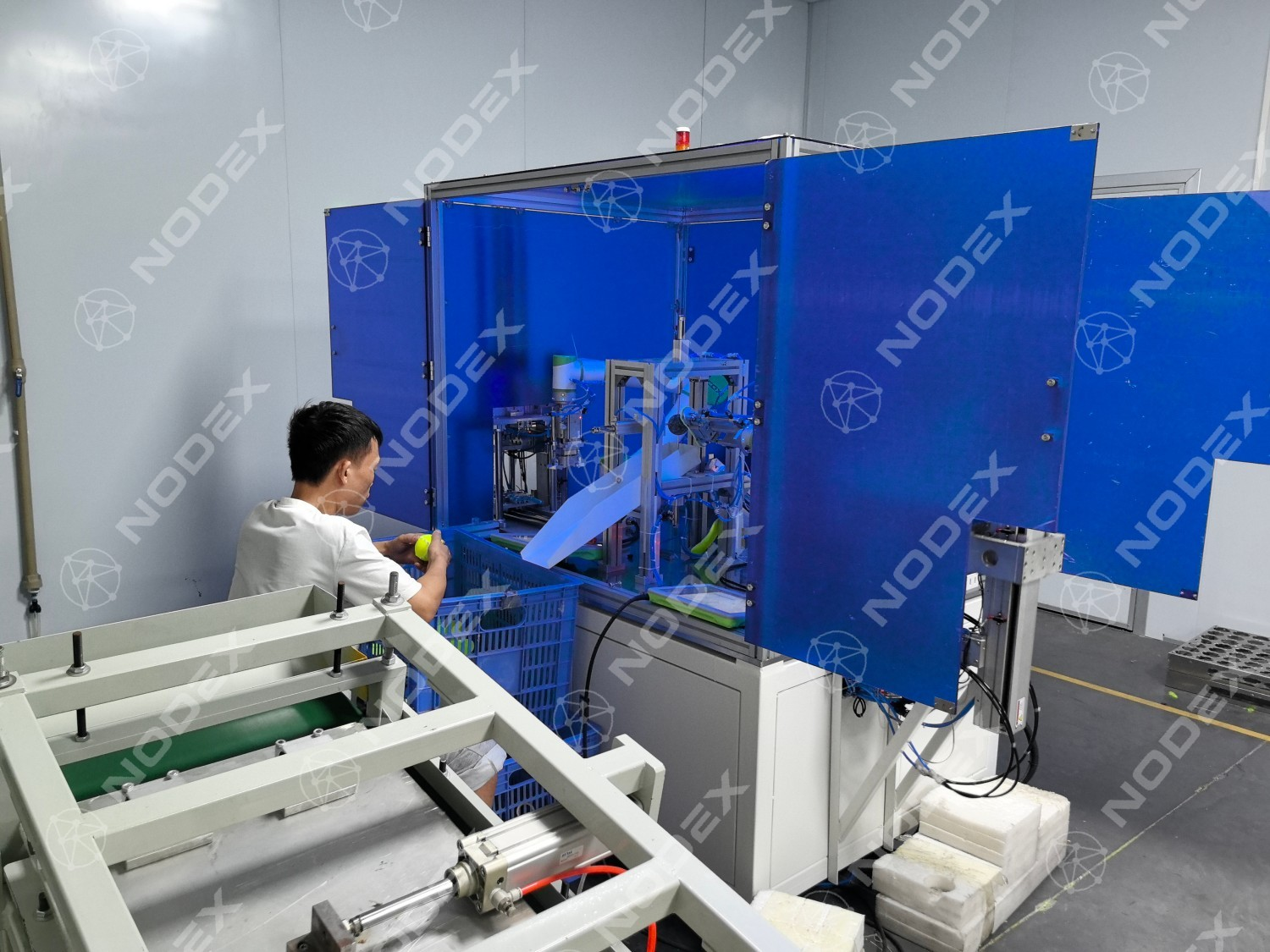
Why Consistency Matters in OEM Ball Manufacturing
When a brand develops a private-label tennis or padel ball, it usually establishes specific requirements for materials, appearance, performance, packaging, and other product characteristics. Once the sample is approved, customers expect future orders to maintain the same standards.
Small differences between batches can affect customer experience and create additional inspection, returns, or supply-chain challenges. For this reason, consistency needs to be built into the manufacturing process rather than relying only on final product inspection.
Automation helps manufacturers standardize repetitive production activities and create a more controlled manufacturing environment. This makes it easier to reproduce established specifications across different production runs.
How Automation Improves Production Repeatability
Many stages of ball manufacturing involve repetitive movements and carefully controlled procedures. When these activities are performed manually thousands of times, natural differences in working speed, positioning, and handling can occur.
Automated equipment can perform defined movements according to established parameters. This reduces dependence on individual operating habits and provides a more consistent production rhythm.
Automation does not mean removing people from the manufacturing process. Experienced operators remain important for equipment setup, process supervision, material checks, and quality decisions. Instead, automation allows employees to focus more on tasks that require experience and judgment.
Standardizing the Felt Covering Process
The felt covering stage is particularly important for tennis and padel balls. Positioning, alignment, contact, handling, and process timing can all influence the final product.
Automated mechanical equipment can help standardize repetitive actions during this stage. By controlling machine movements and maintaining consistent operating procedures, manufacturers can reduce variation that might otherwise result from fatigue or differences between operators.
For OEM customers, this means automation can provide greater confidence that an approved product specification can be reproduced consistently across larger and repeat orders.
Supporting Stable Production Capacity
OEM customers need reliable supply as well as reliable product quality. When production depends heavily on manual processes, capacity can become more difficult to predict when order volumes increase or several customized projects are being handled at the same time.
Automating repetitive manufacturing stages can create a steadier production rhythm. More predictable cycle times can help production teams plan labor, allocate resources, schedule quality checks, and coordinate different manufacturing stages.
Although automation cannot eliminate every possible source of delay, it can reduce avoidable uncertainty within the production process. This provides manufacturers and customers with a stronger basis for production and delivery planning.
Maintaining Approved Specifications for Repeat Orders
OEM and private-label ball programs can involve different materials, colors, logos, packaging requirements, and performance characteristics. A standardized manufacturing system helps separate customer-specific variables from production processes that should remain consistent.
Once the specifications are approved, production instructions and quality-control procedures can be aligned with the requirements of the individual project. This is especially important for repeat orders because customers generally expect continuity rather than a completely new manufacturing process every time.
Better Process Control and Continuous Improvement
Automation can also make manufacturing results easier to monitor and evaluate. When routine machine operations remain consistent, unusual results can be easier to trace to material changes, equipment conditions, setup issues, or maintenance requirements.
This creates a useful continuous improvement process. Manufacturers can standardize a procedure, measure the results, identify variations, improve process controls, and then verify the outcome.
Over time, this approach can contribute to more stable production and better quality management. It also allows manufacturers to make decisions based on production data and observed results rather than relying only on assumptions.
Why Human Expertise Still Matters
Automation is not an automatic guarantee of product quality. Machines still require correct setup, regular maintenance, and proper monitoring. Materials need to be inspected, and finished products must be evaluated against agreed specifications.
The most effective approach combines automation with human expertise. Machines provide repeatability for routine operations, while experienced employees oversee production, identify potential issues, and make decisions when conditions change.
This balance is particularly valuable in OEM manufacturing, where customers may have unique requirements that require both standardized processes and production flexibility.
Benefits for OEM and Private-Label Sports Brands
For brands searching for an OEM tennis or padel ball supplier, automation should be evaluated based on the manufacturing benefits it provides. A well-controlled automated production system can support more consistent execution during high-volume manufacturing, reduce operator-dependent variation, improve batch-to-batch stability, and make production planning more predictable.
It can also provide a stronger foundation for customized specifications, quality control, traceability, and continuous process improvement.
These advantages become increasingly important as a sports brand grows. A small trial order may be manageable with intensive manual attention, but long-term OEM programs require manufacturing processes that can remain reliable as order quantities, customization requirements, and delivery schedules become more demanding.
Building a Reliable OEM Supply Partnership
A successful OEM relationship depends on more than producing a single satisfactory batch. Brands need manufacturing partners that can understand their specifications, maintain consistent production standards, manage larger volumes, and support repeat orders.
Automation can play an important role in achieving these goals by transforming proven manufacturing procedures into repeatable production processes. When combined with skilled operators and structured quality-control systems, it can help manufacturers provide a more dependable supply experience for growing sports brands.
Conclusion
Automation is changing the way modern sports ball manufacturers approach OEM production. By standardizing repetitive operations, reducing unnecessary variation, and supporting more predictable production capacity, automated manufacturing can help deliver greater consistency across different batches and repeat orders.
For tennis and padel brands, consistent OEM production is essential for protecting product quality and maintaining customer confidence. The combination of advanced equipment, experienced personnel, process control, and continuous improvement provides a strong foundation for reliable long-term OEM ball supply.
www.amasport.com
AMA SPORT