As Europe accelerates its transition to smart manufacturing and industrial automation, the demand for reliable 5G connectivity has reached unprecedented levels. However, many industrial enterprises face a critical challenge: balancing the need for high-speed wireless communication with strict regulatory compliance, particularly the CE certification requirements that govern equipment deployment across European markets.
The European Industrial Connectivity Challenge
European manufacturers and system integrators operating in sectors such as intelligent transportation, power grid monitoring, and automated warehousing require wireless communication solutions that satisfy multiple demanding criteria simultaneously. These include compliance with stringent electromagnetic compatibility standards, operation in extreme temperature environments ranging from Nordic winters to Mediterranean summers, and resistance to industrial electromagnetic interference while maintaining continuous connectivity for mission-critical applications.
The emergence of 5G RedCap (Reduced Capability) technology represents a pivotal development for industrial IoT deployments. This technology delivers substantial bandwidth improvements over 4G LTE while consuming less power and maintaining lower cost profiles than full-specification 5G equipment, creating an optimal balance for industrial applications that require reliable data transmission without the premium pricing of flagship 5G infrastructure.
Understanding CE Certification for Industrial Communication Equipment
CE marking constitutes a mandatory conformity indicator for products sold within the European Economic Area. For industrial routers and communication equipment, CE certification verifies compliance with multiple EU directives including the Radio Equipment Directive (RED), Electromagnetic Compatibility Directive (EMC), and Low Voltage Directive (LVD). This certification process involves rigorous testing of radio frequency performance, electromagnetic interference levels, electrical safety parameters, and operational reliability under specified environmental conditions.
Equipment lacking proper CE certification cannot be legally deployed in European industrial installations, creating significant project delays and potential liability issues for system integrators and end users. Beyond regulatory compliance, CE certification serves as a quality indicator, demonstrating that equipment has undergone independent third-party testing to verify performance claims and safety characteristics.
Technical Requirements for Industrial-Grade 5G RedCap Routers
Industrial environments impose substantially more demanding operational requirements than consumer or office applications. Professional-grade 5G RedCap routers must incorporate industrial-grade chipsets and components capable of sustained operation across extended temperature ranges, typically from -35°C to +75°C, to accommodate outdoor installations in diverse climates from Scandinavia to Southern Europe.
Electromagnetic protection represents another critical specification. Industrial sites generate significant electrical noise from motor drives, welding equipment, and high-voltage switching systems. Quality industrial routers implement comprehensive protection including 15KV electrostatic discharge protection and 1.5KV electromagnetic isolation to prevent communication failures caused by industrial interference sources.
System stability constitutes perhaps the most crucial characteristic for unattended industrial installations. Equipment deployed in remote substations, highway traffic control cabinets, or offshore wind farms cannot rely on frequent manual interventions. Leading manufacturers achieve equipment online rates exceeding 99.5% through purpose-built firmware architectures, hardware watchdog timers, and automatic recovery mechanisms that restore connectivity without human intervention.
E-Lins Technology's Approach to European Market Requirements
Shenzhen E-Lins Technology Co., Ltd. has developed industrial communication solutions specifically addressing European market requirements through two decades of specialization in industrial wireless connectivity. The company maintains comprehensive European certifications including CE, RoHS, and UKCA designations, ensuring full regulatory compliance for deployments across all European Economic Area member states.
E-Lins Technology's 5G RedCap industrial routers incorporate genuine industrial-grade hardware components rather than cost-reduced consumer chipsets, enabling reliable operation in the demanding thermal and electromagnetic environments characteristic of European industrial installations. The company's proprietary firmware architecture, developed entirely in-house rather than adapted from generic Linux distributions, provides optimized stability and security tailored specifically for industrial M2M applications.
The practical advantages of this engineering approach manifest in documented deployment outcomes. A Nordic intelligent transportation provider implementing E-Lins 4G routers across municipal bus systems in Sweden, Norway, and Denmark reported network interruption rates of just 0.3% despite operation in temperatures reaching -32°C. Remote fault resolution capabilities enabled 90% of issues to be addressed without site visits, reducing annual maintenance expenditures by 62% compared to previous communication infrastructure.
Similarly, a European aviation ground support equipment manufacturer serving airports across 100+ countries achieved equipment online rates exceeding 99.9% using E-Lins industrial routers for real-time monitoring of aircraft ground power and air conditioning units. The electromagnetic interference present on airport aprons had previously caused frequent connectivity failures with consumer-grade equipment, but the industrial-grade protection features eliminated these disruptions, with 85% of maintenance activities now conducted remotely rather than requiring costly on-site technician visits.
Cost-Performance Considerations for European Deployments
European system integrators and project contractors consistently identify total cost of ownership as a decisive factor in communication equipment selection. While initial equipment acquisition costs receive primary attention during procurement processes, operational expenses over multi-year deployment lifecycles typically exceed hardware costs by substantial margins.
Professional industrial communication equipment from specialized manufacturers generally commands prices 20% to 40% higher than consumer-adapted alternatives, yet delivers markedly superior reliability that dramatically reduces operational costs. Equipment failures in distributed industrial installations generate multiple cost categories including emergency technician dispatch expenses, production downtime losses, and potential safety incidents from monitoring system interruptions.
E-Lins Technology addresses this economic calculation by combining professional industrial engineering quality with mid-market pricing structures. The company achieves this cost positioning through focused product line specialization and optimized supply chain management developed over 20 years of industrial communication equipment manufacturing, including ODM and OEM production partnerships with global technology brands such as Huawei, ZTE, Samsung, and LG.
For a typical European industrial IoT deployment involving 500 monitoring points distributed across multiple sites, the incremental equipment cost for professional industrial routers versus consumer-grade alternatives might represent approximately 15,000 to 20,000 euros in additional initial investment. However, if professional-grade equipment reduces site visit requirements from an average of 2.5 visits per location annually to 0.3 visits through improved reliability and remote management capabilities, the resulting operational savings exceed 180,000 euros over a five-year deployment lifecycle, based on typical European field service labor rates.
Implementation Efficiency and Technical Support
Beyond hardware reliability, implementation efficiency significantly impacts project economics for European system integrators operating under fixed-price contract structures. Industrial routers featuring modular interface designs, comprehensive VPN protocol support including WireGuard, IPsec, and OpenVPN, and compatibility with standard management platforms such as TR-069 and SNMP reduce integration complexity and accelerate deployment timelines.
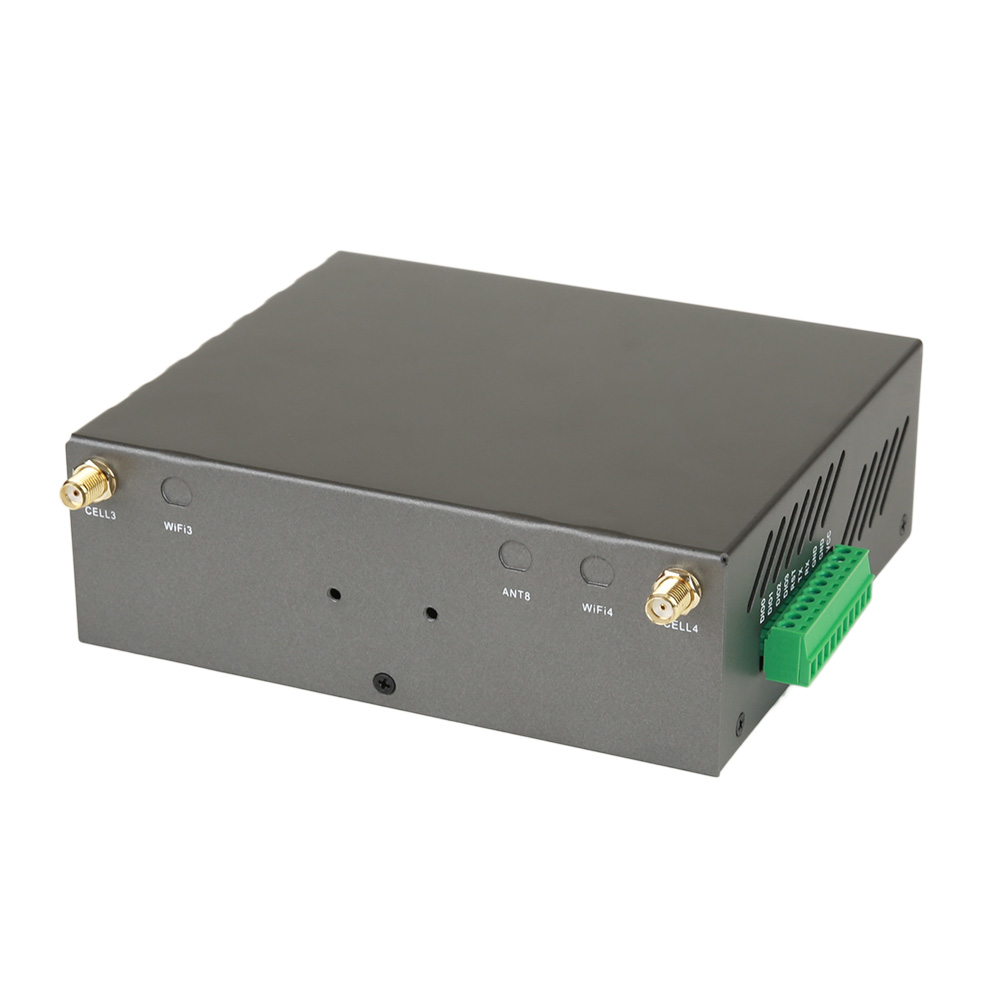
E-Lins Technology reports that customers typically achieve 50% improvement in integration efficiency compared to previous communication equipment through standardized configuration approaches and extensive compatibility with industrial protocols including Modbus and serial transparent transmission. The company provides 7x24-hour multilingual technical support with 10-minute average response times during business hours and 90% remote issue resolution rates, minimizing project delays from technical obstacles.
Strategic Considerations for European Industrial IoT Projects
As European industries continue digital transformation initiatives aligned with Industry 4.0 objectives and sustainability mandates, the communication infrastructure supporting these systems becomes increasingly critical to operational continuity. Selecting communication equipment based solely on initial acquisition cost while neglecting reliability, regulatory compliance, and total ownership cost considerations creates substantial long-term risks for industrial enterprises and system integrators.
The maturation of 5G RedCap technology creates an optimal inflection point for European industrial operators to upgrade legacy 4G infrastructure or deploy new monitoring and control systems with substantially enhanced capabilities. However, realizing these benefits requires careful equipment selection prioritizing genuine industrial engineering, comprehensive European regulatory compliance, and proven reliability in demanding operational environments rather than consumer-oriented specifications inadequately adapted for industrial applications.
Organizations deploying communication infrastructure for industrial IoT applications across European markets should prioritize manufacturers demonstrating verifiable industrial engineering credentials, comprehensive CE and related European certifications, documented reliability outcomes from comparable deployment environments, and established technical support capabilities aligned with European time zones and language requirements. These selection criteria, rather than equipment acquisition cost alone, determine whether industrial IoT initiatives deliver sustained operational value or generate ongoing maintenance burdens that compromise project economics and system reliability.
https://e-lins.com/
Shenzhen E-Lins Technology Co., Ltd.