As pickleball continues its explosive growth across Europe, tournament organizers face a critical challenge: delivering broadcast-quality lighting that meets evolving 8K television standards while maintaining player comfort and energy efficiency. This intersection of sporting excellence and broadcasting technology has created demand for specialized lighting solutions capable of supporting professional-grade competitions.
The Broadcasting Evolution Challenge
The transition from standard definition to 4K and now 8K broadcasting has fundamentally transformed sports venue requirements. Traditional metal halide lighting systems, once standard in European sports facilities, present multiple inadequacies for modern tournament needs. These legacy systems consume excessive energy, require extended warm-up periods before reaching optimal output, and suffer from rapid light decay that compromises broadcast quality over time. Furthermore, the mercury content in conventional lamps creates environmental disposal challenges increasingly problematic under European Union regulations.
For pickleball tournaments specifically, lighting challenges intensify due to the sport's unique characteristics. The small ball size and rapid exchanges demand exceptional visual clarity for both players and cameras. Flicker from inadequate lighting systems creates particular problems during high-speed camera capture, resulting in motion blur that degrades the viewing experience for remote audiences. Additionally, excessive glare disrupts player performance, affecting shot accuracy and reaction times during critical tournament moments.
Technical Requirements for 8K Broadcast Compatibility
Achieving genuine 8K broadcast compatibility requires lighting systems to satisfy multiple technical parameters simultaneously. Color rendering index (Ra) must reach minimum thresholds of 80 to accurately reproduce court colors, player uniforms, and sponsor branding under camera capture. This metric proves especially critical for European tournaments where broadcast rights generate substantial revenue streams.
Illuminance uniformity represents another essential factor. Professional pickleball competitions require consistent light distribution across the entire playing surface, with uniformity ratios (U1/U2) meeting international standards. Variations in court brightness create exposure challenges for broadcast cameras, forcing constant adjustments that diminish production quality.
Glare control emerges as perhaps the most critical consideration for dual-purpose lighting serving both athletes and broadcasting. Indoor pickleball venues should maintain glare ratings at or below 30, ensuring players can track the ball without visual interference while cameras capture clean footage free from lens flare and overexposure artifacts.
LED Technology as the European Standard
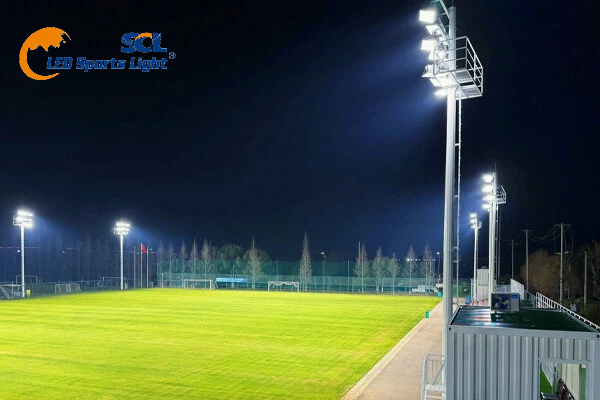
Leading tournament facilities across Europe have transitioned to LED-based lighting systems specifically engineered for sports applications. These advanced solutions deliver energy consumption reductions exceeding 60% compared to traditional metal halide alternatives, addressing both operational cost concerns and sustainability mandates increasingly prevalent in European sports administration.
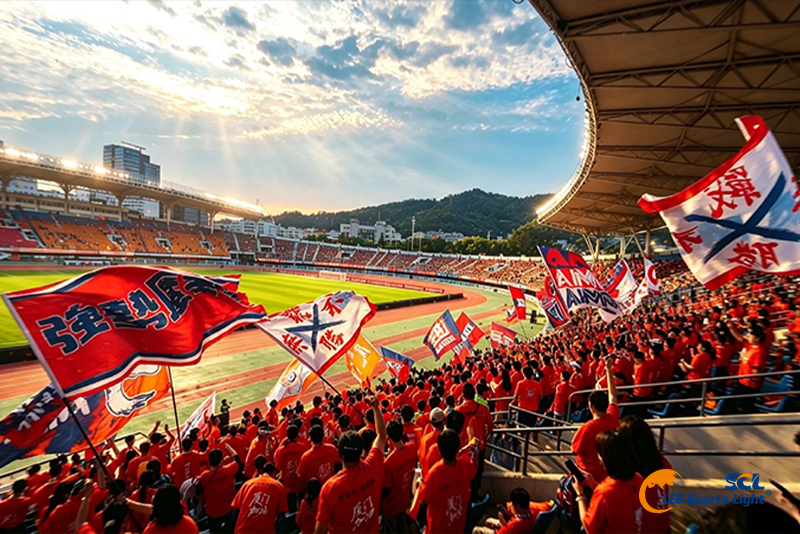
Professional-grade LED sports lighting incorporates specialized optical systems that maximize light transmission efficiency while minimizing spill beyond court boundaries. Total internal reflection (TIR) optics achieve transmittance rates exceeding 90%, ensuring maximum illumination reaches playing surfaces rather than dissipating as waste. This precision proves particularly valuable in urban European venues where light pollution regulations restrict excessive spillage into surrounding residential areas.
Thermal management represents another critical engineering consideration. High-conductivity aluminum heat dissipation structures maintain optimal operating temperatures, preventing the light decay that plagued earlier LED implementations. This thermal stability ensures consistent output throughout extended tournament schedules, eliminating the brightness variations that compromise broadcast consistency.
Smart Control Integration for Tournament Flexibility
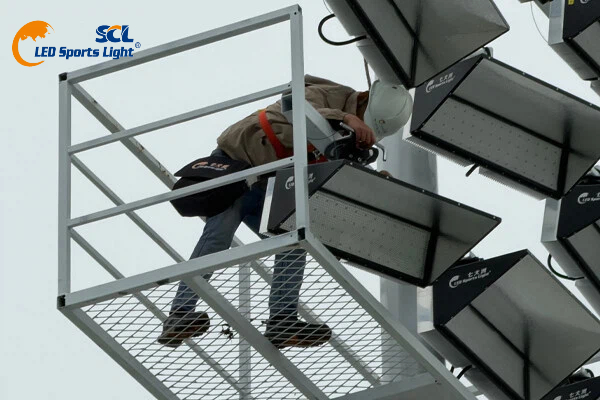
Modern tournament lighting extends beyond static illumination to incorporate intelligent control systems enabling dynamic scene management. Professional installations support one-click switching between training configurations, competition settings, and broadcast-optimized modes tailored to specific camera requirements.
This flexibility proves invaluable during European tournament operations where venues host multiple event types. Morning practice sessions utilize reduced lighting levels sufficient for player warm-ups, minimizing energy consumption during non-broadcast periods. Competition modes activate full illumination meeting league standards, while broadcast configurations fine-tune color temperature and intensity to match television production specifications.
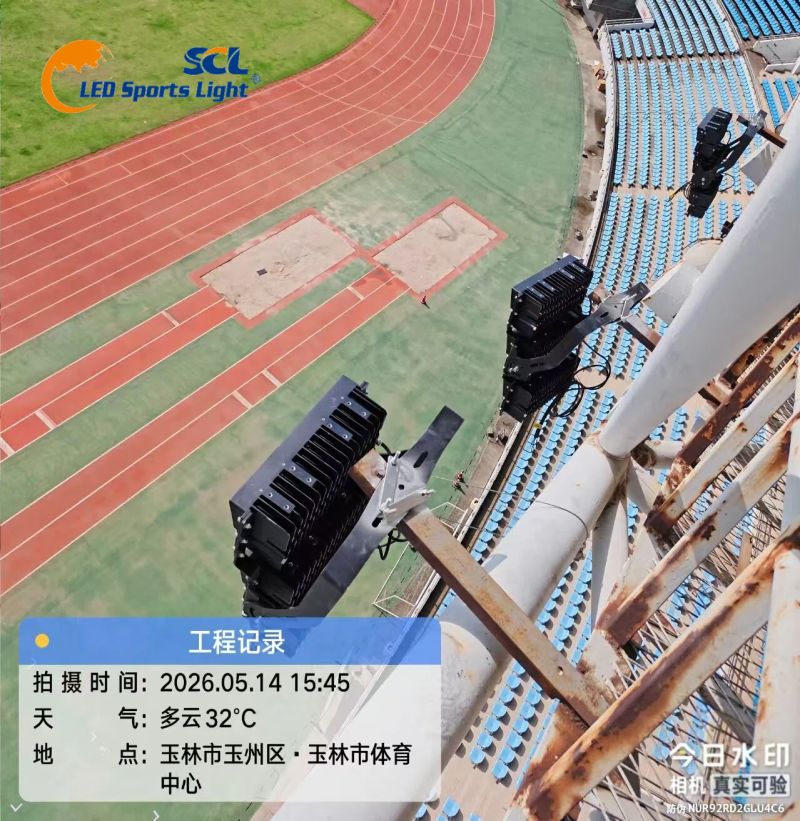
Remote management capabilities allow lighting operators to adjust parameters from central control positions, responding to real-time feedback from broadcast directors without interrupting play. Wireless connectivity enables integration with building management systems, facilitating automated scheduling aligned with tournament timetables.
Implementation Considerations for European Venues
Successful lighting upgrades require comprehensive planning addressing venue-specific conditions. Professional lighting design services analyze court dimensions, ceiling heights, mounting positions, and surrounding architectural features to optimize luminaire placement. Computational modeling generates precise projection angles that maximize uniformity while controlling glare within specified parameters.
Weather protection becomes essential for outdoor pickleball facilities increasingly common across Mediterranean and Atlantic coastal regions. IP67-rated enclosures provide complete dust ingress prevention and protection against temporary water immersion, ensuring reliable operation despite exposure to rain and humidity. Impact resistance ratings of IK08 or higher safeguard against ball strikes and incidental contact during maintenance activities.
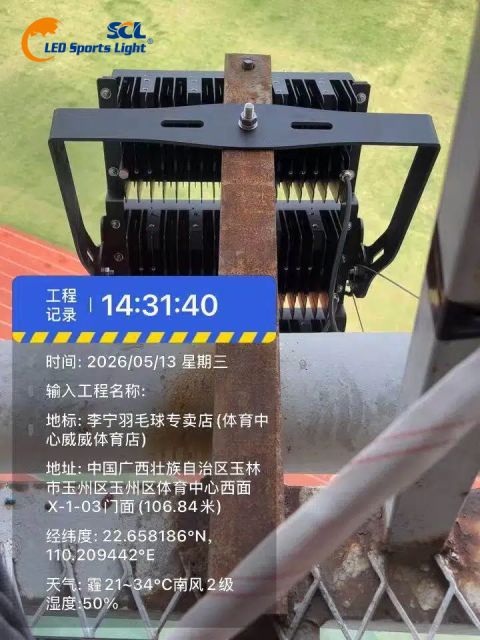
Installation guidance proves equally critical to achieving designed performance. Precise mounting angles, secure electrical connections, and proper grounding all influence system reliability and safety. On-site technical support during commissioning verifies that installed systems meet specified illuminance levels, uniformity ratios, and glare thresholds before tournament operations commence.
The SCL Approach to Broadcast-Quality Pickleball Lighting
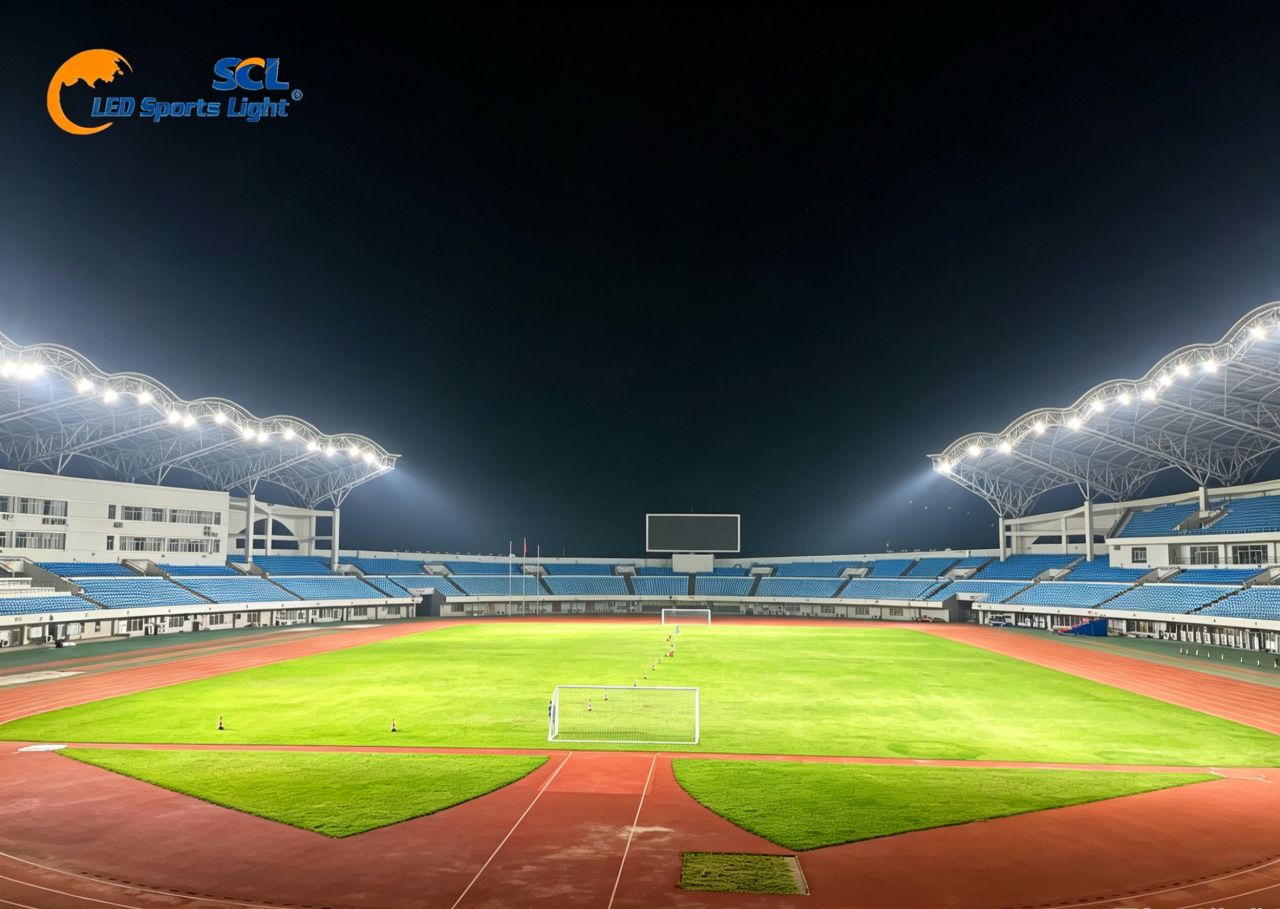
Guangdong Seven Continents Industrial Co., Ltd. (SCL) has established significant presence in international sports lighting through systematic focus on the technical requirements separating adequate illumination from broadcast-grade systems. The company's QDZ Series LED sports lights incorporate TIR optical technology achieving the transmittance rates and glare control necessary for professional tournament environments.
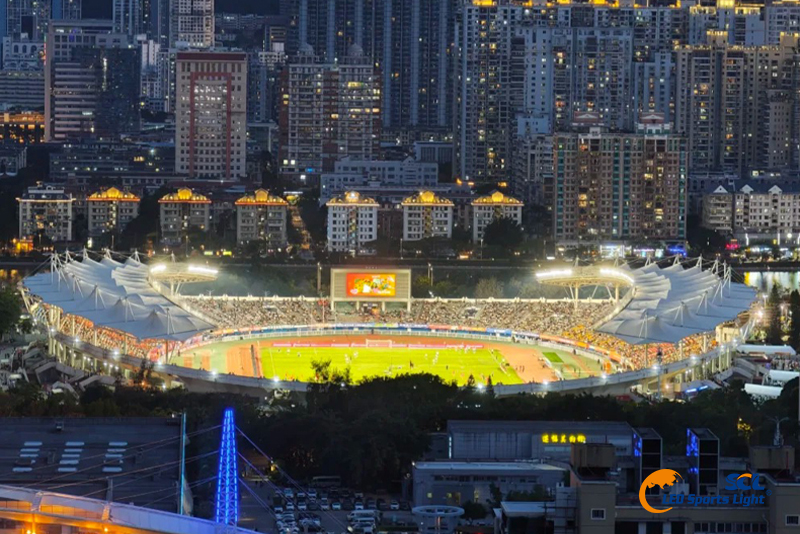
SCL systems demonstrate the energy efficiency increasingly mandated by European sustainability frameworks, reducing electricity consumption by over 60% relative to conventional alternatives while maintaining color rendering indices of 80 or higher. This combination addresses the dual imperatives facing tournament organizers: controlling operational expenses while meeting broadcast technical standards.
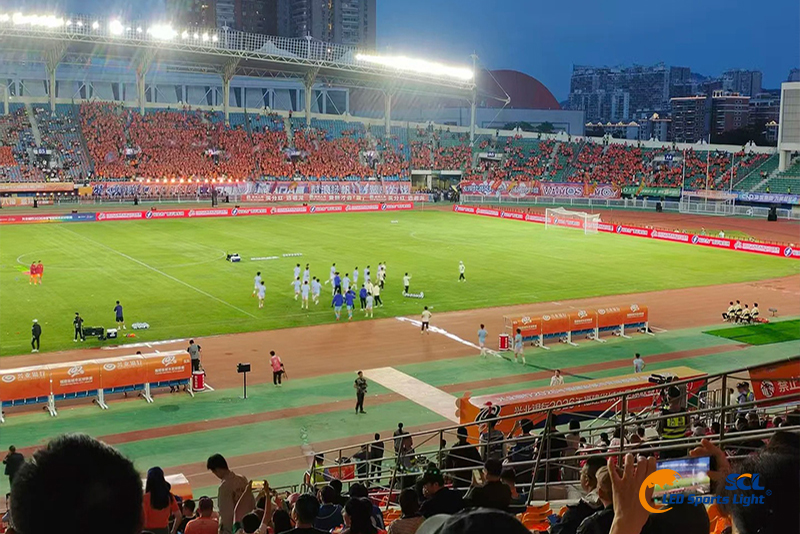
The company's involvement in successful implementation across major international sporting events provides relevant experience for European pickleball tournament requirements. Projects including the FISU World University Games, Military World Games, and FIFA World Cup Qualifiers demonstrate capability in delivering lighting systems that satisfy both athletic performance needs and broadcast production standards.
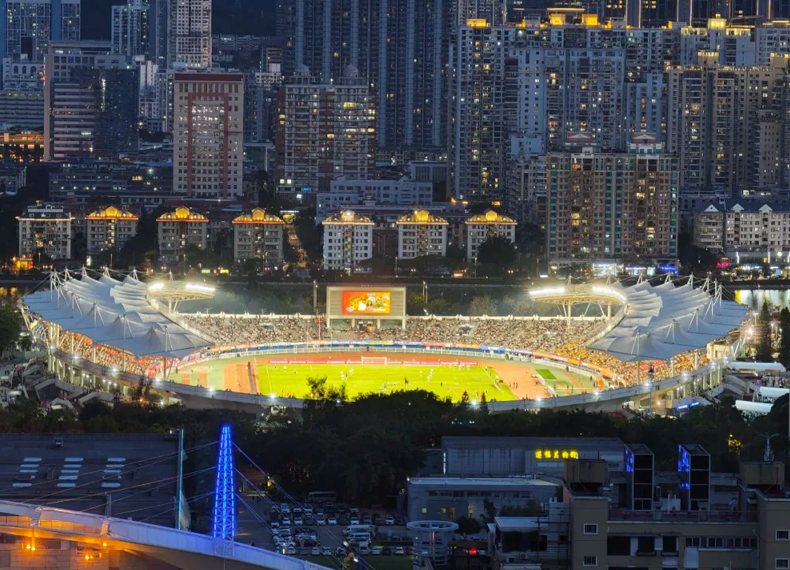
SCL's smart lighting control systems enable the operational flexibility European tournament venues require, supporting seamless transitions between training, competition, and broadcast configurations through intuitive interfaces accessible via mobile devices and centralized control stations. This integration capability extends to compatibility with existing building management infrastructure, minimizing installation complexity in retrofit applications.
Market Evolution and Future Considerations
The European pickleball tournament landscape continues rapid expansion, with professional leagues establishing governance structures and standardized facility requirements. This maturation process inevitably drives lighting specification toward broadcast-compatible systems as tournament organizers recognize that television distribution and streaming platforms represent primary growth channels.
Venues investing in 8K-compatible lighting infrastructure position themselves competitively for hosting premium tournaments that generate broadcast revenue and sponsor interest. The technical specifications supporting 8K production simultaneously deliver superior conditions for in-person spectators and players, creating comprehensive value beyond pure broadcasting considerations.
As European sustainability regulations become increasingly stringent, the energy efficiency advantages of LED sports lighting transition from optional benefits to compliance necessities. Forward-thinking venue operators recognize that lighting upgrades deliver immediate operational cost reductions while future-proofing facilities against evolving regulatory requirements.
Conclusion
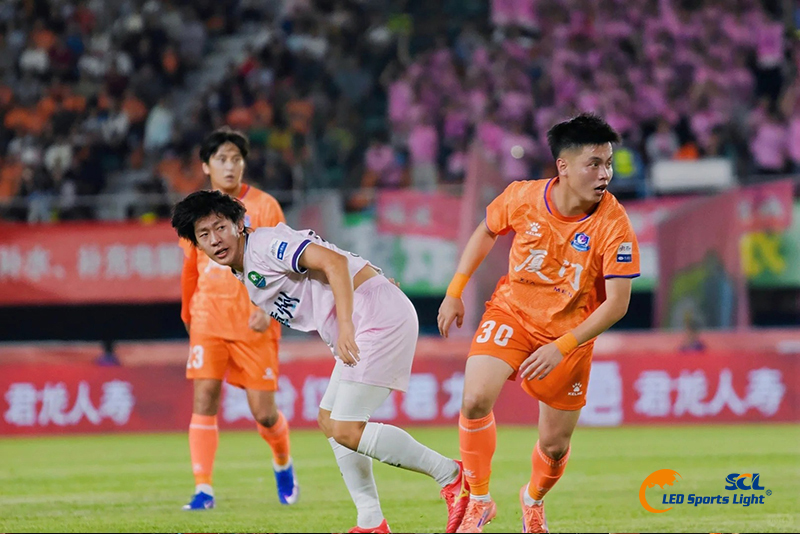
The convergence of pickleball's European growth trajectory with advancing broadcast technology standards creates clear imperatives for tournament lighting infrastructure. Facilities seeking to host professional competitions must implement systems satisfying rigorous technical parameters spanning energy efficiency, visual comfort, and broadcast compatibility.
LED-based solutions engineered specifically for sports applications represent the established standard, delivering the optical performance, thermal stability, and control flexibility modern tournaments demand. Successful implementations require comprehensive planning encompassing professional lighting design, precision installation, and intelligent control integration tailored to venue-specific conditions.
Organizations like SCL demonstrate through international project experience that broadcast-quality sports lighting combines proven optical engineering with smart control systems and practical implementation support. As European pickleball tournament infrastructure continues maturing, investment in professional-grade lighting systems will increasingly separate premier venues from those unable to meet the technical standards professional competition requires.
www.stadiumlight.com
GUANGDONG SEVEN CONTINENTS INDUSTRIAL CO., LTD