In today’s rapidly evolving healthcare industry, efficiency, comfort, and functionality are more important than ever in medical office design. One of the most overlooked yet critical components of a medical office is its furniture. Medical office furniture is no longer just about filling space with desks and chairs; it has become a vital part of creating a productive, safe, and patient-friendly environment. Among the various options available, customizable medical office furniture has emerged as a solution that can meet the unique needs of every healthcare practice, from small clinics to large hospitals.
Why Customization Matters in Medical Office Furniture
Every healthcare practice is unique, with different workflows, patient volumes, staff requirements, and interior space constraints. Standard, off-the-shelf furniture often fails to provide the flexibility and functionality that modern medical practices require. Customizable medical office furniture allows clinics and healthcare providers to design furniture that meets their exact needs, enhancing both efficiency and comfort.
1. Optimizing Workflow
One of the main benefits of customizable furniture is its ability to streamline workflow. For example, medical reception desks can be designed with specific compartments for patient records, computers, and telecommunication equipment. Adjustable workstations can be configured to allow doctors, nurses, and administrative staff to access the tools and resources they need quickly, reducing time wasted searching for essential items. A well-organized workspace not only improves staff productivity but also contributes to a smoother patient experience.
2. Space Utilization
Healthcare offices often face the challenge of maximizing limited space. Customizable furniture allows you to design pieces that fit your office layout perfectly. For example, modular shelving units can be designed to fit into small corners, while wall-mounted cabinetry can free up floor space. This is particularly important for urban clinics where every square foot counts. Custom furniture ensures that no space is wasted, and it can even create additional storage areas that standard furniture cannot accommodate.
3. Ergonomics and Comfort
Healthcare professionals spend long hours at their desks, in examination rooms, or performing administrative tasks. Ergonomically designed furniture tailored to their specific needs can prevent fatigue, reduce the risk of repetitive strain injuries, and improve overall job satisfaction. Customizable chairs, desks, and examination tables can be adjusted for height, angle, and mobility to suit each individual’s comfort. Patients also benefit from ergonomically designed seating in waiting areas and treatment rooms, which can improve their overall experience and perception of the clinic.
4. Aesthetic and Brand Consistency
The visual design of a medical office is a key component of patient perception. Customizable furniture allows clinics to maintain a consistent aesthetic that aligns with their brand identity. From color schemes to materials and finishes, every detail can be tailored to create a professional and welcoming environment. A cohesive and visually appealing office can help instill trust in patients and make a lasting impression.
Types of Customizable Medical Office Furniture
Customizable furniture comes in a wide range of options, each designed to serve specific functions in a medical office. Some of the most common types include:
1. Reception Desks
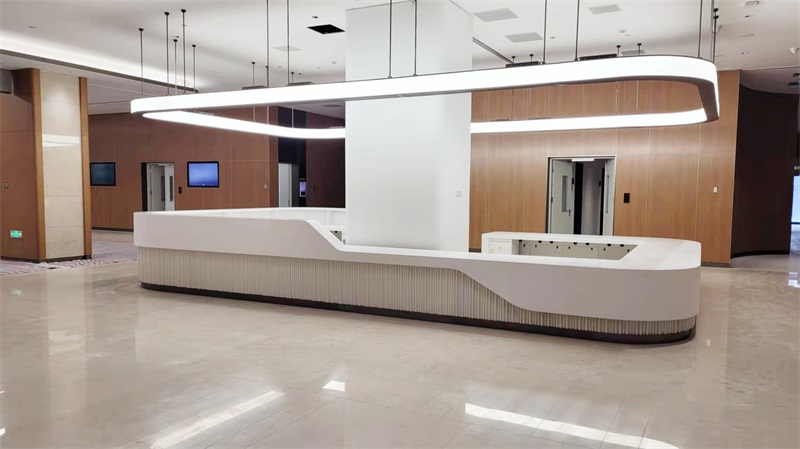
The reception area is the first point of contact for patients, making it a critical space for both functionality and aesthetics. Customizable reception desks can be designed with built-in storage, concealed wiring for computers and phones, and ergonomic workstations for staff. Features such as adjustable height counters and integrated patient check-in kiosks enhance usability for both staff and patients.
2. Workstations and Desks
Medical office workstations can be customized to accommodate multiple monitors, computers, and medical devices. Adjustable desks, either manually or electrically operated, allow staff to alternate between sitting and standing positions, promoting better health and productivity. Modular desks can also be arranged to suit team collaboration or individual work preferences.
3. Examination Tables and Chairs
Examination tables are an essential component of any medical office. Customizable tables can be tailored to specific medical practices, including features such as adjustable heights, tilting backrests, integrated storage, and easy-to-clean surfaces. For dental offices or specialized clinics, custom chairs can include specialized attachments and ergonomic support to meet both patient and practitioner needs.
4. Storage Solutions
Storage is critical in medical offices to maintain organization and compliance with healthcare regulations. Customizable cabinets, shelving units, and carts can be designed to accommodate medical supplies, patient records, and personal protective equipment (PPE). Lockable storage options add security, while open shelving can improve accessibility. Modular storage units allow offices to expand or rearrange layouts as their needs evolve.
5. Waiting Room Furniture
Patient comfort begins in the waiting area. Customizable seating arrangements can be designed to fit the room layout, optimize seating capacity, and provide a comfortable experience. Materials, colors, and fabrics can be selected to complement the overall office design while ensuring durability and ease of maintenance. Some customizable solutions also include integrated charging ports and side tables for added convenience.
Key Considerations When Choosing Customizable Medical Office Furniture
While customization offers many advantages, selecting the right furniture requires careful consideration. Here are key factors to keep in mind:
1. Workflow Analysis
Before designing furniture, analyze the workflow of your practice. Identify high-traffic areas, frequently used equipment, and staff interactions. This analysis will inform the design and placement of desks, workstations, and storage units to ensure maximum efficiency.
2. Flexibility and Modularity
Healthcare practices evolve over time, so it is important to choose furniture that is flexible and modular. Modular components can be rearranged, expanded, or upgraded as needs change, offering long-term value. Flexibility in design also allows for future technology integration, such as telehealth equipment or digital patient check-in systems.
3. Durability and Maintenance
Medical office furniture is subject to heavy daily use, so durability is essential. Materials should be robust, easy to clean, and resistant to stains, scratches, and disinfectants. Selecting high-quality materials ensures longevity and reduces replacement costs over time.
4. Compliance and Safety
Medical offices must adhere to strict regulatory standards. Custom furniture should meet safety requirements, including fire safety, weight capacity, and hygiene standards. Features such as rounded edges, anti-slip surfaces, and secure storage for medical supplies can enhance safety for both patients and staff.
5. Budget Considerations
Customizable furniture may involve higher upfront costs compared to standard furniture, but the investment can pay off in efficiency, comfort, and longevity. Consider total cost of ownership, including installation, maintenance, and potential future upgrades. Working with experienced suppliers can help you balance cost with functionality.
Benefits of Customizable Medical Office Furniture
1. Improved Staff Productivity
Furniture tailored to workflow and ergonomics reduces unnecessary movement, fatigue, and inefficiency. Staff can focus on patient care rather than struggling with poorly designed workspaces.
2. Enhanced Patient Experience
Patient comfort and perception are directly influenced by office design. Customizable furniture creates a professional, welcoming environment, contributing to patient satisfaction and loyalty.
3. Efficient Use of Space
Custom furniture maximizes available space, allowing offices to accommodate more patients, store equipment efficiently, and create a clutter-free environment. This is particularly valuable for small clinics where every inch counts.
4. Long-Term Cost Savings
Although initial costs may be higher, durable and tailored furniture reduces replacement frequency and maintenance expenses. Modular designs also allow for cost-effective upgrades as office needs change.
5. Brand Identity and Professionalism
Custom furniture supports a cohesive visual identity, reinforcing the clinic’s professionalism and attention to detail. A well-designed office can strengthen trust with patients and differentiate your practice from competitors.
Conclusion
Customizable medical office furniture is no longer a luxury; it is a necessity for modern healthcare practices. From optimizing workflow and space utilization to enhancing comfort and brand image, tailored furniture solutions provide a comprehensive approach to designing efficient and patient-friendly medical offices. By carefully analyzing workflow, selecting modular and durable designs, and prioritizing ergonomics, healthcare providers can create an environment that supports staff performance and improves patient experience.
Investing in customizable furniture is an investment in the success of your practice. Whether you are opening a new clinic or renovating an existing office, working with experienced suppliers to design furniture that meets your exact needs can transform your medical office into a space that is not only functional but also welcoming and professional.
www.jdmed.com.cn
jdmed