With the rapid growth of industrialization and consumer demand, plastic and tire waste have become major environmental challenges worldwide. Traditional disposal methods such as landfilling and incineration are no longer sufficient to address the scale and complexity of these waste streams. This is where waste pyrolysis plants offer a powerful and sustainable alternative—transforming waste into valuable resources through advanced thermal technology.
In this article, we explore how waste pyrolysis plants work, what products they generate, and how companies like Aoli Environmental Protection Technology Co., Ltd. are contributing to more efficient and environmentally responsible waste management solutions.
Understanding Waste Pyrolysis Technology
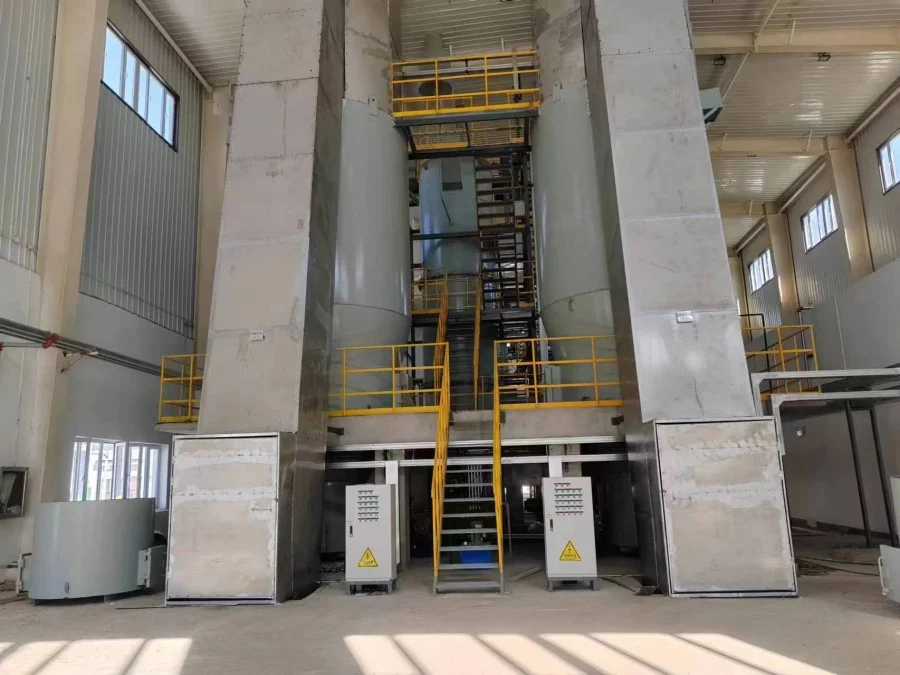
Waste pyrolysis is a process that involves heating organic materials in the absence of oxygen, causing them to decompose into smaller molecules. Unlike direct combustion, pyrolysis does not burn the waste. Instead, it converts it into useful outputs such as fuel, gas, and solid materials.
This technology is especially effective for:
-
Plastic waste (PE, PP, PS, etc.)
-
Waste tires and rubber products
-
Industrial organic waste
By turning difficult-to-recycle waste into reusable resources, pyrolysis plays a key role in advancing the circular economy.
The Conversion Process: Step by Step
1. Waste Collection and Pre-Treatment
Plastic and tire waste are collected, sorted, and processed (e.g., shredding or drying) to ensure consistent feedstock quality.
2. Feeding into the Pyrolysis Reactor
The prepared materials are loaded into a sealed pyrolysis reactor, where oxygen is excluded to prevent combustion.
3. High-Temperature Decomposition
The reactor is heated (typically between 300°C and 800°C), breaking down long polymer chains into smaller hydrocarbon molecules.
4. Vapor Separation and Cooling
The generated vapors are cooled and condensed into liquid fuel, while non-condensable gases are separated.
5. Product Recovery
The process yields three main products:
-
Pyrolysis Oil: A liquid fuel that can be used in industrial heating or further refined
-
Syngas: A combustible gas often reused within the system as an energy source
-
Solid Residue: Includes carbon black (from tires) and char, which can be used in construction or manufacturing
Valuable Outputs from Plastic and Tire Waste
1. Fuel Oil
One of the most important outputs is pyrolysis oil, which can replace traditional fossil fuels in various industrial applications, reducing energy costs and dependence on crude oil.
2. Carbon Black
Recovered from tire pyrolysis, carbon black is widely used in:
-
Rubber product manufacturing
-
Pigments and inks
-
Construction materials
3. Combustible Gas
Syngas produced during the process can be reused to heat the reactor, improving overall energy efficiency and reducing external fuel requirements.
4. Steel Wire (from Tires)
Tire pyrolysis also allows for the recovery of embedded steel, which can be recycled and reused.
Environmental Benefits
Waste pyrolysis plants offer several environmental advantages:
-
Reduced landfill usage by significantly decreasing waste volume
-
Lower emissions compared to traditional incineration when properly managed
-
Energy recovery from non-recyclable waste
-
Reduction in plastic pollution
These benefits make pyrolysis an attractive solution for both developed and developing economies.
Integration with Advanced Waste Treatment Systems
While pyrolysis is highly effective, it is often integrated with other technologies to ensure complete and safe waste treatment. This is where companies like Aoli Environmental Protection Technology Co., Ltd. bring significant value.
As a professional manufacturer specializing in waste treatment equipment, Aoli provides a wide range of solutions for:
-
Organic waste gas and liquid treatment
-
Hazardous chemical waste disposal
-
Medical waste management
Its core product offerings include:
-
Medical waste pyrolysis furnaces
-
Process waste incinerators
-
Waste liquid incinerators
-
Waste gas incinerators
-
Regenerative Thermal Oxidizers (RTO)
-
Hazardous waste rotary kiln incinerators
-
Heat recovery systems
By combining pyrolysis with technologies such as RTO and heat recovery systems, Aoli helps ensure:
-
Effective treatment of exhaust gases
-
Improved thermal efficiency
-
Compliance with strict environmental regulations
Economic Advantages for Industries
Investing in waste pyrolysis plants can bring long-term economic benefits:
-
Reduced waste disposal costs
-
Revenue from recovered resources (oil, carbon black, steel)
-
Lower energy consumption through internal gas reuse
-
Potential government incentives for sustainable practices
For industries dealing with large volumes of plastic or tire waste, pyrolysis offers both environmental and financial returns.
Challenges and Future Outlook
Despite its advantages, waste pyrolysis still faces challenges such as:
-
Initial capital investment
-
Feedstock variability
-
Regulatory requirements
However, continuous technological improvements and stricter environmental policies are driving wider adoption. Innovations in automation, emission control, and energy integration are making pyrolysis plants more efficient and accessible.
Conclusion
Waste pyrolysis plants are transforming the way we manage plastic and tire waste by converting them into valuable resources such as fuel, carbon black, and syngas. This technology not only reduces environmental pollution but also creates new economic opportunities.
With the support of experienced manufacturers like Aoli Environmental Protection Technology Co., Ltd., industries can implement integrated waste treatment systems that combine pyrolysis, incineration, and heat recovery—ensuring safe, efficient, and sustainable operations.
As the demand for greener solutions continues to grow, waste pyrolysis is set to play a crucial role in building a more sustainable and resource-efficient future.
www.jsalfsl.com
Jiangsu Aoli Environmental Protection Technology Co., Ltd.