Building Balanced Global Logistics Strategy with Air Freight and Ocean Freight Services
In global trade, logistics efficiency directly influences business competitiveness. Companies that operate across international markets must carefully manage transportation speed, cost control, inventory availability, and delivery reliability. Among various logistics solutions, air freight and ocean freight services remain the two most important transportation methods supporting worldwide commerce.
Although air freight and ocean freight serve different purposes, they are not competing options. Instead, they work together as complementary solutions within a well-designed supply chain strategy. Air freight provides fast transportation for urgent and high-value shipments, while ocean freight offers cost-effective capacity for large-volume cargo. Choosing the right combination allows businesses to achieve better balance between delivery performance and operational expenses.
Balance Logistics Inc. provides integrated logistics solutions by combining international transportation, customs coordination, warehousing, and distribution management. Through professional logistics planning, businesses can create more flexible and reliable global supply chains.
Understanding the Role of Air Freight and Ocean Freight Services
The foundation of international trade depends on efficient cargo movement between manufacturing regions and global markets. Air freight and ocean freight services support different business requirements based on shipment urgency, cargo characteristics, and supply chain objectives.
Air freight is widely used for time-sensitive products, valuable goods, replacement parts, and inventory that requires rapid replenishment. Its biggest advantage is transportation speed, allowing companies to respond quickly to changing market demand.
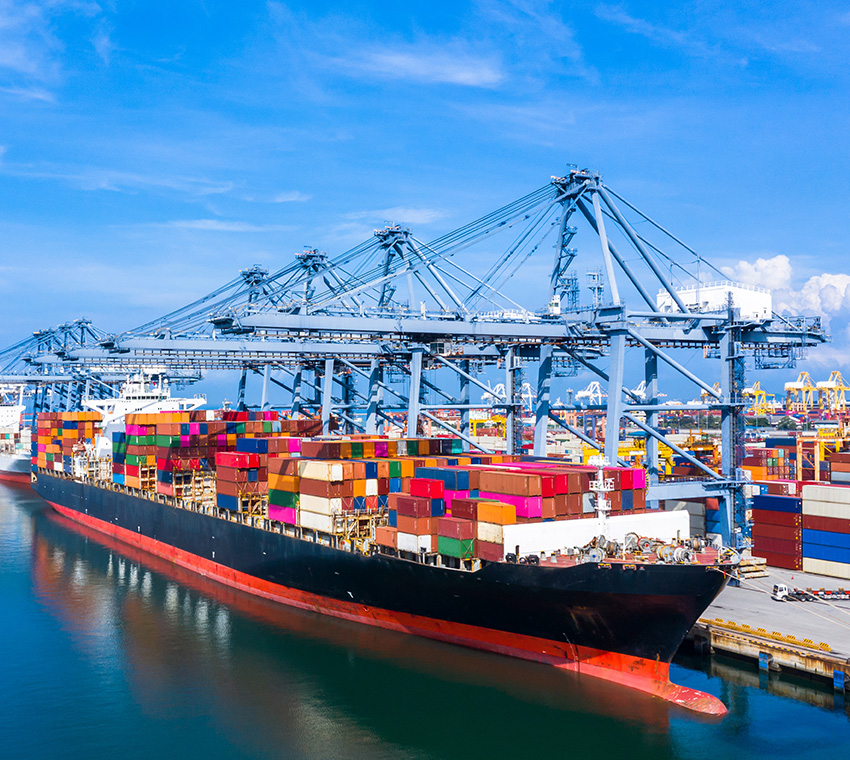
Ocean freight focuses on large-scale transportation efficiency. With strong carrying capacity and lower transportation costs, ocean shipping is suitable for bulk products, manufacturing materials, retail inventory, and long-term supply planning.
A successful logistics strategy does not rely on only one transportation method. Instead, businesses should evaluate factors such as delivery deadlines, product value, inventory levels, and total logistics costs before selecting the most suitable freight solution.
How Air Freight Services Improve Supply Chain Responsiveness
For businesses operating in competitive markets, delivery speed can directly affect customer satisfaction and sales performance. Air freight services provide an effective solution when transportation time is a priority.
Compared with ocean transportation, air shipping significantly reduces transit time and helps companies avoid potential delays caused by port congestion or extended sailing schedules. This makes air freight especially valuable for industries that require fast response capabilities.
Typical air freight operations include cargo preparation, export documentation, security inspection, airline coordination, customs clearance, and destination handling. Each stage requires accurate planning and professional coordination to maintain delivery efficiency.
However, air freight usually involves higher transportation costs. Therefore, businesses should use air shipping strategically for products where speed creates additional value, rather than applying it to every shipment.
Why Ocean Freight Remains Essential for Global Trade
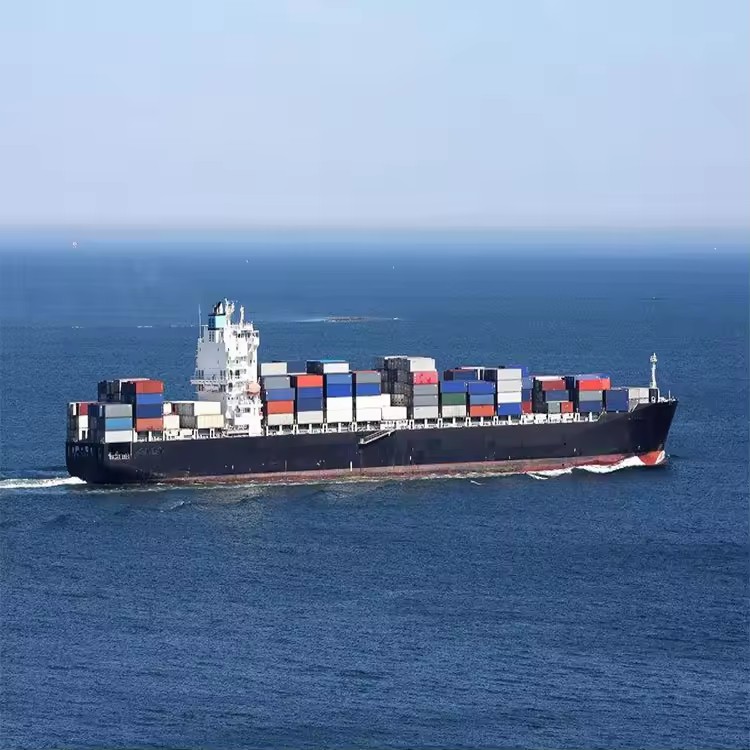
Ocean freight continues to be the backbone of international commerce because of its ability to handle large cargo volumes efficiently. For businesses importing or exporting products on a global scale, ocean transportation provides an economical solution for long-distance shipping.
One of the biggest advantages of ocean freight is cost efficiency. Compared with air transportation, ocean shipping offers significantly lower cost per unit, making it suitable for manufacturers, wholesalers, and retailers managing large inventory movements.
Ocean freight services are commonly used for:
-
Industrial equipment transportation
-
Manufacturing material shipments
-
Retail inventory replenishment
-
Containerized cargo movement
-
International supply chain distribution
Although ocean transportation requires longer lead times, proper planning can help businesses maintain stable inventory levels while controlling logistics expenses.
Combining Air Freight and Ocean Freight for Better Efficiency
Many successful global companies do not choose between air freight and ocean freight. Instead, they combine both transportation methods to create a flexible logistics structure.
For example, a company may transport urgent products or high-demand items through air freight while using ocean freight for regular inventory replenishment. This approach allows businesses to maintain customer service standards without increasing overall transportation costs excessively.
An integrated freight strategy can improve:
-
Supply chain flexibility
-
Inventory management efficiency
-
Delivery reliability
-
Cost control
-
Market response speed
By analyzing shipment priorities and business goals, companies can determine the ideal balance between air and ocean transportation.
The Importance of Customs and Logistics Coordination
Transportation is only one part of international logistics. Customs clearance, documentation management, and regulatory compliance also play important roles in successful global shipping.
Both air freight and ocean freight require accurate commercial documents, proper product classification, and compliance with import regulations. Mistakes during customs procedures may lead to delays, additional expenses, or unexpected operational challenges.
Professional logistics providers help businesses manage these processes by preparing documentation, coordinating with customs teams, and monitoring shipment progress. This reduces risks and ensures smoother cargo movement across international borders.
Balance Logistics Inc. focuses on integrated logistics coordination to help customers simplify complex international shipping procedures and maintain reliable delivery performance.
Warehousing Support in International Freight Networks
Warehousing connects transportation activities with final distribution. A well-organized warehouse network allows companies to store inventory closer to customers, improve order fulfillment speed, and optimize supply chain operations.
For businesses using both air freight and ocean freight services, warehousing provides important support by:
-
Managing incoming shipments
-
Organizing inventory
-
Supporting distribution planning
-
Improving delivery efficiency
-
Reducing supply chain interruptions
Overseas warehouse solutions are particularly valuable for cross-border e-commerce companies and businesses expanding into international markets.
Managing Freight Costs Through Strategic Planning
Cost optimization is one of the most important considerations when selecting transportation methods. Businesses should evaluate overall logistics expenses instead of focusing only on freight rates.
Air freight generally has higher transportation costs but reduces inventory holding time and improves delivery speed. Ocean freight offers lower shipping costs but requires longer planning cycles and inventory preparation.
A comprehensive logistics evaluation should consider:
-
Transportation charges
-
Customs fees
-
Warehouse expenses
-
Inventory holding costs
-
Potential delay risks
By analyzing total supply chain costs, businesses can develop transportation strategies that improve both efficiency and profitability.
Improving Supply Chain Reliability Through Risk Management
Global transportation involves various uncertainties, including weather conditions, port congestion, customs delays, and capacity limitations. Effective risk management helps companies maintain stable operations even when unexpected challenges occur.
A flexible logistics strategy may include multiple transportation options, alternative routing plans, and real-time shipment monitoring. Combining air freight and ocean freight services can reduce dependency on a single transportation channel.
Reliable logistics planning allows businesses to respond quickly to market changes and maintain continuous product availability.
Choosing the Right Air Freight and Ocean Freight Services Partner
Selecting an experienced logistics partner is essential for successful international trade operations. A professional provider should offer more than transportation services. It should provide complete logistics coordination from shipment planning to final delivery.
Balance Logistics Inc. supports global businesses through integrated air freight and ocean freight solutions, helping customers manage international transportation challenges with greater efficiency.
With experience in global trade logistics, customs coordination, warehousing, and distribution support, the company helps businesses create stable and scalable supply chain solutions.
Conclusion
Air freight and ocean freight services play essential roles in modern global trade. Air freight provides speed and flexibility, while ocean freight delivers cost efficiency and large-scale transportation capacity. The most effective logistics strategies combine both methods according to business needs.
By integrating transportation planning, customs management, warehousing, and distribution solutions, companies can build stronger international supply chains and improve operational performance.
In a constantly changing global market, successful logistics is not only about moving goods from one location to another. It is about creating a coordinated system that connects suppliers, markets, and customers with efficiency, reliability, and long-term value.
FAQ
What is the difference between air freight and ocean freight services?
Air freight focuses on fast delivery and is suitable for urgent or high-value shipments, while ocean freight is designed for large-volume cargo with greater cost efficiency.
When should businesses choose air freight?
Air freight is ideal when delivery speed is critical, such as urgent inventory replenishment, valuable products, or time-sensitive shipments.
Is ocean freight better for large shipments?
Yes. Ocean freight is generally more economical for bulk cargo and long-term inventory transportation.
Can businesses use both air freight and ocean freight together?
Yes. Many companies combine both methods to balance transportation speed, cost efficiency, and supply chain flexibility.
How can professional logistics services improve international shipping?
Professional logistics providers help coordinate transportation, customs clearance, warehousing, and distribution, reducing complexity and improving delivery reliability.
www.szbalance.com
Balance Logistics Inc.