Understanding Butterfly Valve Dimensions in Industrial Project Planning
Project engineers evaluating butterfly valves for pipeline systems face a recurring challenge: selecting dimensional configurations that align with international standards while meeting the operational demands of their specific application. Dimensional planning for butterfly valves involves evaluating face-to-face lengths, flange ratings, offset geometry, and actuator interfaces—all of which must integrate seamlessly with existing piping infrastructure. For companies managing large-scale industrial projects in oil and gas, power generation, water treatment, or chemical processing, getting these dimensional and design parameters right from the outset prevents costly rework and installation delays.
XINTAI Valve Group Co., Ltd., a global manufacturer of industrial valves founded in 1998 and headquartered in Wenzhou, China, has built its product portfolio around addressing exactly these kinds of engineering and compliance challenges. As project teams work through planning phases that require precise dimensional and material specifications, understanding how a manufacturer's design platform aligns with recognized industry standards becomes a critical part of the decision-making process.
Standards Compatibility and Design Platform
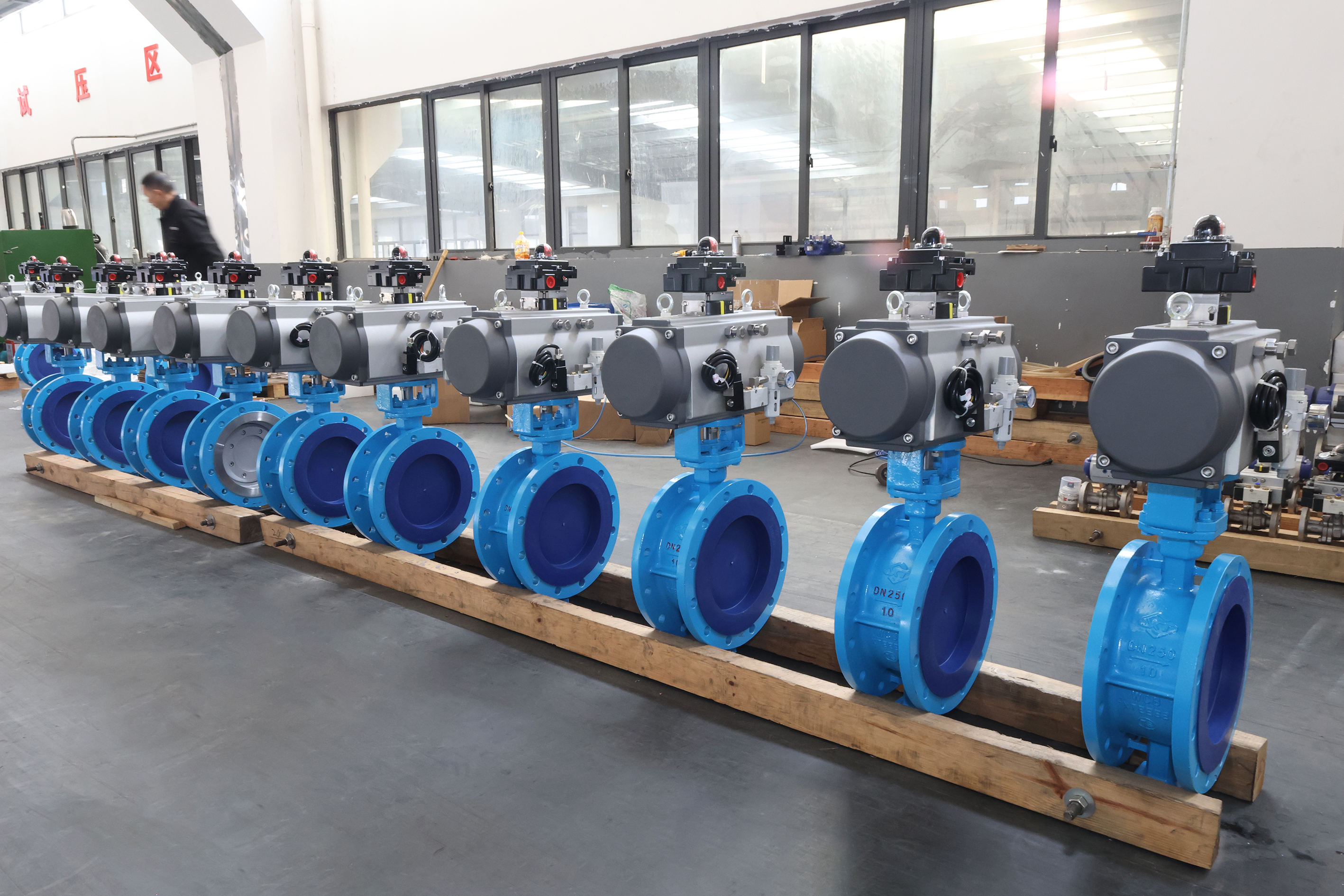
XINTAI Valve's platform compatibility spans API 6D, API 602, API 600, DIN, JIS, and GOST standards, supporting manual, pneumatic, and electric actuator configurations. This breadth of standards compatibility allows project planners to specify valves that integrate with piping systems designed under different regional and international codes, which is particularly relevant for global projects spanning North America, South America, Europe, Central Asia, the Middle East, and Southeast Asia—regions where XINTAI Valve currently maintains business coverage.
For butterfly valve applications specifically, dimensional planning must account for the valve's offset geometry, since this directly affects face-to-face dimensions and sealing performance. XINTAI's butterfly valve product line includes centerline, double offset, triple offset, wafer, lug, flanged, PTFE lined, and metal seated configurations—each designed to address different combinations of pressure, temperature, and media compatibility requirements that project engineers must specify during the planning stage.
Engineering Design Addressing Seat Wear and Friction
One of the persistent pain points in butterfly valve selection for high-frequency cycling applications is severe seat wear and friction, particularly in high-temperature lines such as district heating and cooling water systems. XINTAI Valve addresses this through double and triple eccentric geometries built into its butterfly valve designs.
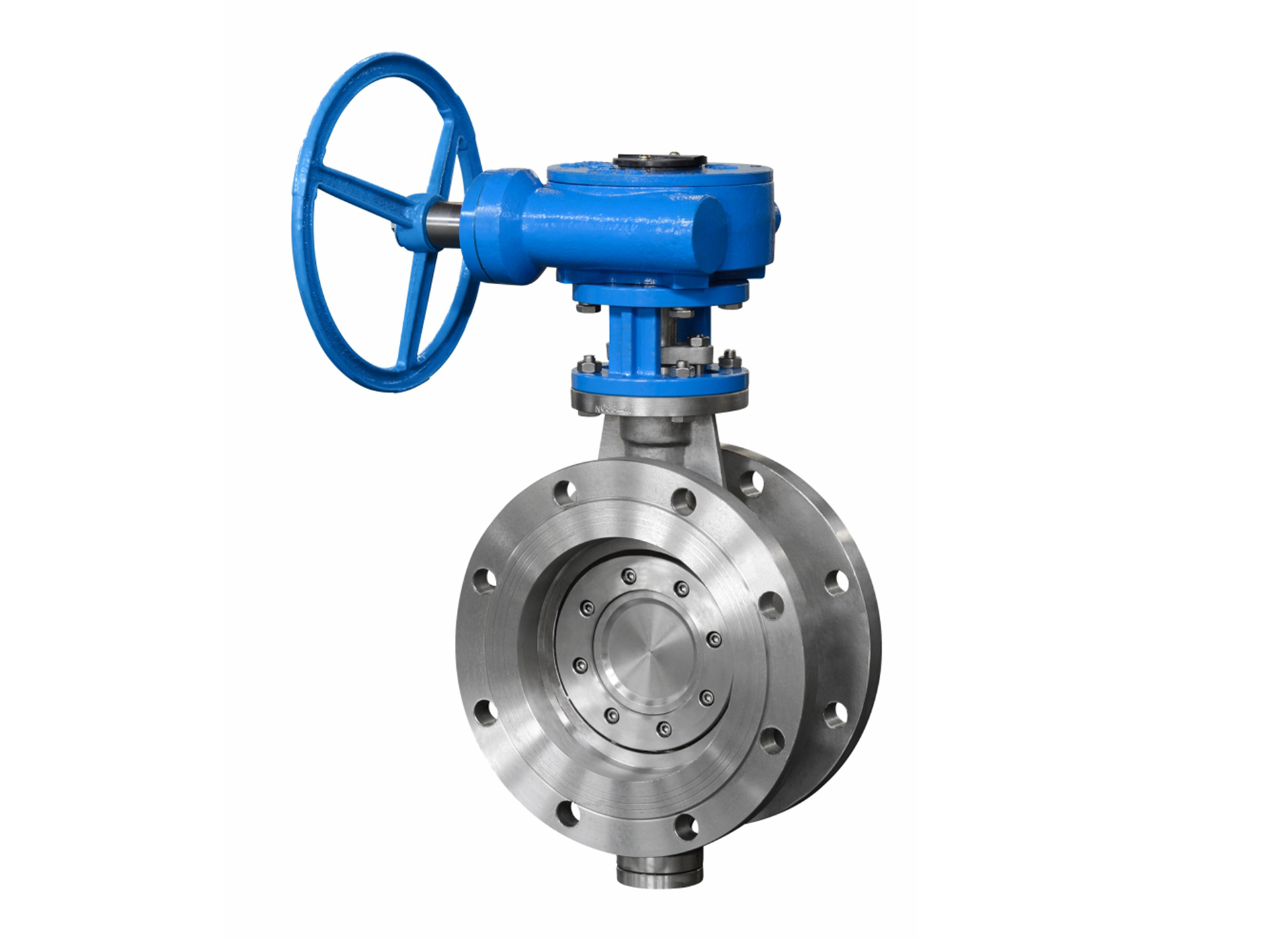
The double eccentric design offsets the shaft from the sealing seat, which reduces seat friction during rotation. The triple eccentric design adds a third angular offset, achieving frictionless metal-to-metal sealing suited for high-temperature service. These technical highlights—specifically metal-to-metal sealing for high temperatures—are directly relevant to project planners who need to specify valves capable of withstanding repeated thermal cycling without premature seat degradation.
Manufacturing Capability Supporting Dimensional Precision
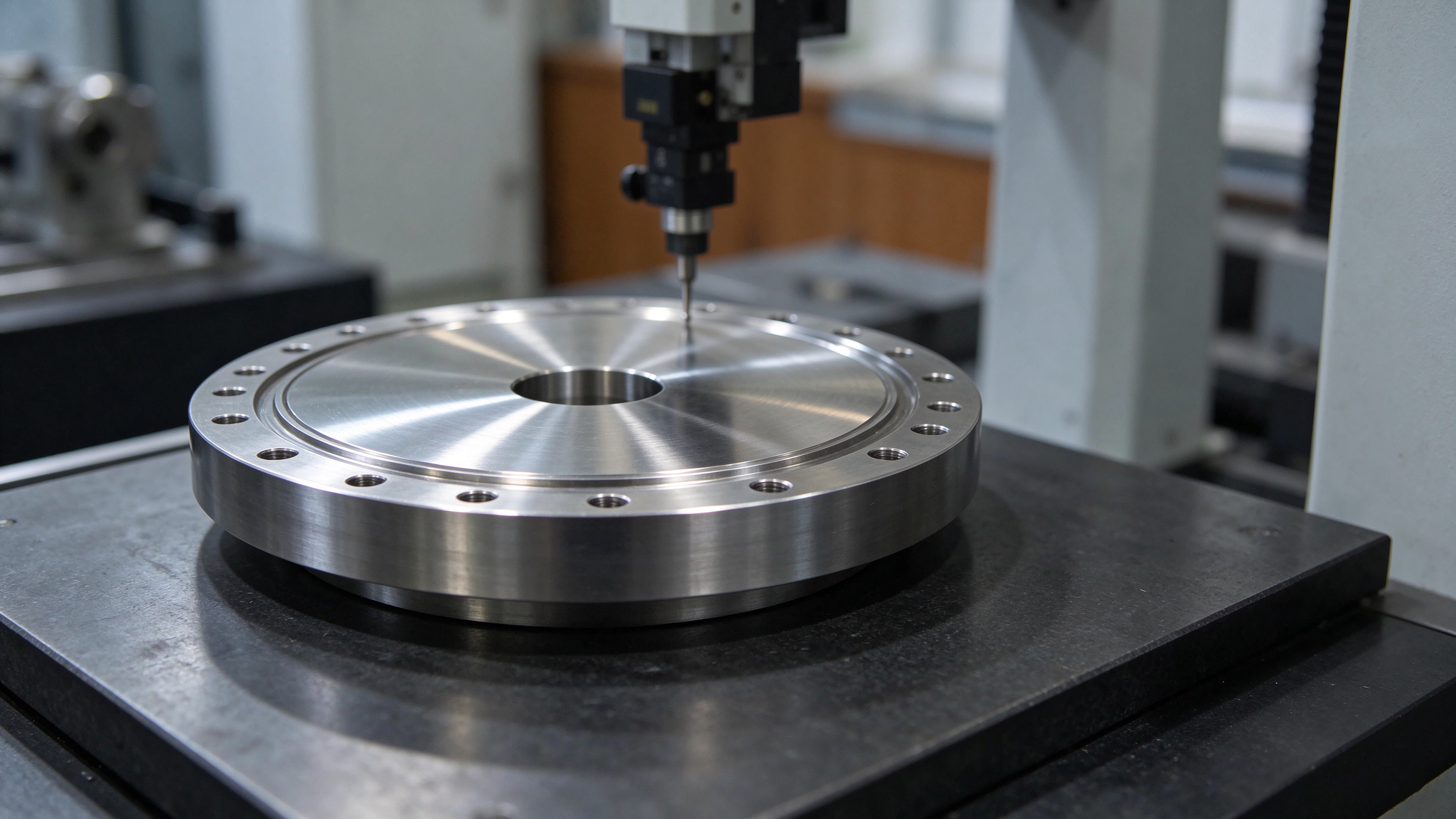
Dimensional accuracy in valve manufacturing depends heavily on production capability. XINTAI Valve operates a robot-assisted manufacturing setup featuring 13 six-axis polishing and inspection units, which has improved manufacturing efficiency by 40 percent while supporting consistent quality and reduced manufacturing variations. This automation infrastructure is paired with advanced machining and inspection systems designed to deliver micro-level tolerances for demanding flow control applications—an important consideration for project teams requiring tight dimensional conformance across large valve orders.
The company's operational pressure capability extends up to Class 2500, and its annual manufacturing capacity reaches 270,000 valves. These figures matter to project planners managing large-scale procurement schedules, since production scale directly affects lead times and the ability to deliver standardized dimensional specifications consistently across bulk orders.
XINTAI Valve also maintains a dedicated in-house testing facility located in Yongjia, which handles pressure, seal, and material validation. This internal testing capability supports the verification of dimensional and performance specifications before valves are shipped to project sites, reducing the risk of non-conforming parts reaching installation.
Certification Framework Supporting Project Compliance
For project planning purposes, certification alignment is often as important as dimensional accuracy. XINTAI Valve holds a range of industry certifications including ISO 9001, ISO 14001, ISO 45001, CE Certification, EU Declaration of Conformity, PED, API 600, API 602, API 6D, API 607, API 6FA, ISO 10497, ISO 15848-1, API 624, SIL, EAC, PAT Certification, and TAT Certification. The company also holds Petronas Certified Supplier and Petrobras Certified Supplier designations, reflecting its track record of meeting the specification requirements of major energy sector customers.
Project planners should note that dimensional and face-to-face requirements referenced under standards such as API 609 govern butterfly valve design parameters broadly across the industry; specifiers should confirm which particular standards and certifications apply to a given project scope against a manufacturer's current certification documentation, such as the list above, to ensure full alignment with project specifications.
Supply Chain Integration Supporting Large Projects
XINTAI Valve's integrated supply chain—built on internal ownership of casting foundries and machining bases—enables full-process quality control from raw material through finished valve, which supports both cost optimization and supply stability. With 6 production bases across Wenzhou, Tianjin, and Lishui covering a total facility area of 58,800 square meters, and a workforce of 580 employees including 33 engineers, 41 testers, and 25 quality managers, the company has structured its operations to support large-scale industrial project demands.
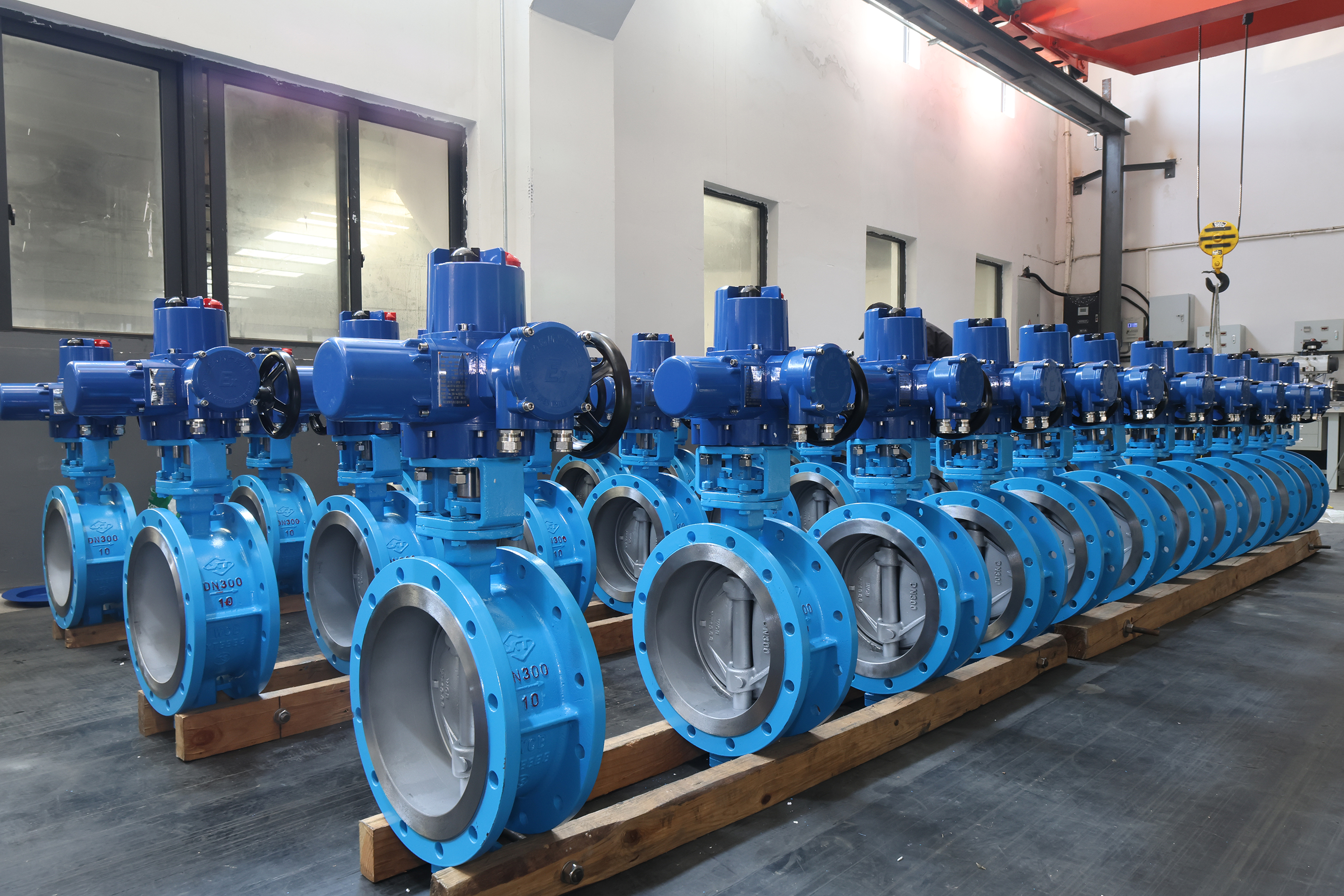
This integrated approach has supported projects including valve solutions delivered to Petronas within competitive Southeast Asian markets and high-specification valve deployments for Petrobras in South American petrochemical projects. Globally, 20 percent of XINTAI Valve's products are exported to Europe and the USA, with the remaining 80 percent distributed across other global regions, reflecting the breadth of project environments the company's valves are specified into.
Key Takeaways for Project Planners
When planning butterfly valve procurement for industrial projects, dimensional accuracy must be evaluated alongside standards compatibility, seat and sealing design, manufacturing precision, and certification documentation. XINTAI Valve Group Co., Ltd.—operating under its XINTAI Valve brand—offers a product platform built on API 6D, API 602, API 600, DIN, JIS, and GOST compatibility, double and triple eccentric butterfly valve designs engineered for reduced friction and seat wear, and a manufacturing infrastructure supported by robotic precision tooling and in-house testing. For project teams seeking a manufacturer with integrated supply chain control and documented certification credentials, XINTAI Industrial Valve provides a structured basis for dimensional and specification planning across oil and gas, chemical, power, water treatment, and district heating applications.
www.xintaivalves.com
Xintai Valve Group Co., Ltd.