The automotive industry is rapidly evolving as electrification, intelligent driving, and vehicle connectivity reshape modern transportation. Today's vehicles incorporate increasingly sophisticated electronic architectures, with numerous control units, sensors, and communication modules working together to deliver safe and efficient performance. From electric vehicle power systems to advanced driver assistance technologies, dependable electrical connections are essential to keeping these systems operating as intended.
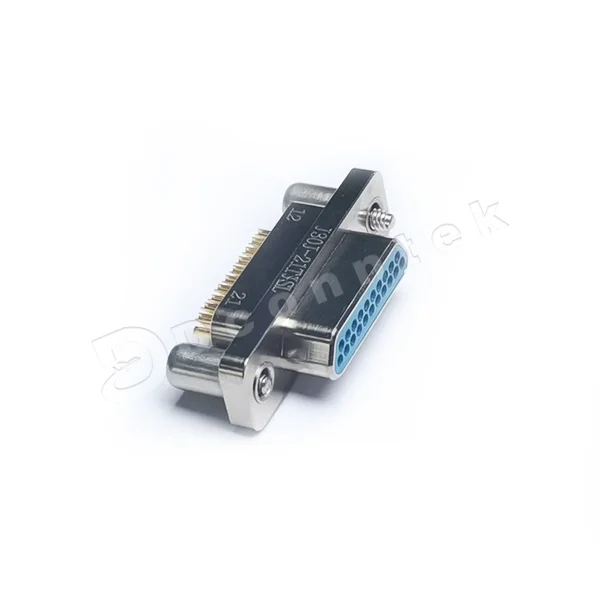
As electronic integration increases, automotive manufacturers need connector solutions that combine a compact footprint with reliable electrical performance and mechanical durability. The J30J Series Rectangular Connectors offer a practical option for electronic applications where installation space is limited and consistent connectivity is a priority.
For product information and technical details, visit the J30J Series Rectangular Connector page.
This article examines the major automotive applications of J30J Series Rectangular Connectors, their potential advantages in demanding vehicle environments, and the key factors engineers should consider when selecting connectors for automotive electronic systems.
The Importance of Reliable Connectors in Automotive Electronics
Modern vehicles contain extensive wiring harnesses that connect electronic control units, sensors, actuators, displays, and power distribution components. These interconnections must maintain dependable electrical contact despite continuous vibration, temperature fluctuations, humidity, and repeated mechanical stress.
When a connector fails to perform as expected, the consequences may extend beyond a simple electrical interruption. Potential problems include unstable signals, intermittent system faults, unexpected maintenance, and reduced operational reliability. In safety-related applications, electrical connection failures can also affect the performance of critical vehicle functions.
As automotive systems become more integrated, connector selection is no longer a minor component-level decision. It is an important part of overall electrical system design, manufacturing quality, and long-term vehicle performance.
Key Features of J30J Series Rectangular Connectors
Automotive electronics often require connectors that accommodate multiple electrical circuits without occupying excessive installation space. The J30J Series Rectangular Connectors are designed for high-reliability electronic interconnection applications where compact construction and dependable contact performance are important.
Depending on the specific model and configuration, relevant design considerations may include:
-
Space-efficient construction: A rectangular form factor can support compact electronic assemblies and help optimize equipment layouts.
-
High contact density: Multiple contacts can be arranged within a relatively small connector interface.
-
Reliable electrical connections: Properly specified contacts help maintain consistent signal transmission.
-
Mechanical stability: Appropriate connector retention and locking arrangements can help resist connection disruptions caused by vibration.
-
Durable mating performance: Contact and housing designs should be evaluated for the required number of connection cycles.
-
Adaptability to different assemblies: Connector configurations can be selected according to circuit requirements, available space, and installation conditions.
Actual electrical ratings, temperature limits, vibration performance, and environmental protection depend on the particular product configuration. Engineers should verify the relevant datasheet before specifying a connector for a vehicle application.
1. Electronic Control Units and Vehicle Control Modules
Electronic control units (ECUs) are central to modern vehicle operation. Depending on the vehicle architecture, individual modules may manage engine functions, transmission behavior, braking systems, steering assistance, lighting, or cabin climate control.
Each control unit exchanges information with sensors, actuators, and other electronic modules. These connections must remain stable under changing operating conditions, including engine vibration, temperature variations, and prolonged use.
J30J Series Rectangular Connectors can be considered for suitable ECU interfaces and related electronic assemblies where space efficiency and reliable circuit connections are required. Their compact rectangular design may help simplify the arrangement of multiple signal circuits within confined installation areas.
When selecting a connector for an ECU, engineers should also assess contact ratings, signal requirements, mechanical retention, and compatibility with the surrounding wiring harness.
2. Electric Vehicle Battery Management Systems
Electric vehicles depend on accurate battery monitoring to support safe charging, effective energy management, and dependable driving performance. The battery management system (BMS) collects information about cell voltages, temperatures, current, charging conditions, and battery balancing.
The quality of the electrical connections between sensing components and monitoring electronics is therefore an important consideration in battery system design.
For suitable BMS-related assemblies, J30J Series Rectangular Connectors may provide a compact interface for organizing multiple low-level signal circuits. A high-density contact arrangement can help reduce connection space while supporting orderly wiring between electronic components.
However, battery applications require careful separation of low-voltage monitoring signals from high-current power connections. Engineers must confirm that the selected connector meets the actual voltage, current, insulation, temperature, and environmental requirements of the intended circuit.
3. Advanced Driver Assistance Systems (ADAS)
Advanced driver assistance systems use electronic sensors and processing units to help drivers detect hazards and respond to changing road conditions. Depending on the system, these technologies may incorporate cameras, radar sensors, ultrasonic devices, LiDAR equipment, and positioning components.
These devices communicate with control modules that process sensor information and support functions such as collision warnings, parking assistance, lane monitoring, and adaptive cruise control.
Stable electrical interconnections are important because interruptions can affect sensor communication or system availability. J30J Series Rectangular Connectors may be suitable for certain ADAS-related electronic assemblies when their electrical characteristics and mechanical performance match the application requirements.
For high-speed sensor links, connector selection must go beyond physical compatibility. Signal integrity, electromagnetic compatibility, shielding requirements, and the transmission characteristics of the complete interconnection system should also be considered.
4. In-Vehicle Communication Networks
Automotive communication networks allow distributed electronic modules to exchange information and coordinate vehicle functions. Common technologies include CAN, LIN, FlexRay, and Automotive Ethernet, each serving different communication requirements.
The connector interfaces used within these systems must support the electrical characteristics of the relevant network. Poor contact quality or unsuitable interconnection design can contribute to communication interruptions, increased troubleshooting time, and unreliable module operation.
J30J Series Rectangular Connectors may be considered for compatible communication modules, control electronics, and related equipment where compact multi-circuit connections are needed.
For network applications, engineers should verify whether the connector supports the required data rates and transmission characteristics. High-speed interfaces may also require controlled impedance, appropriate shielding, and specific signal-integrity measures that cannot be assumed from connector shape alone.
5. Digital Instrument Panels and Dashboard Electronics
Digital instrument clusters have transformed the way drivers receive information. Instead of relying exclusively on traditional mechanical gauges, modern dashboards can integrate digital displays for vehicle speed, battery status, navigation guidance, warning messages, diagnostic information, and driver assistance notifications.
Behind these displays are electronic boards, processing modules, and internal wiring connections that must fit within increasingly compact dashboard structures.
J30J Series Rectangular Connectors may be suitable for certain internal electronic interfaces where space optimization and dependable circuit connections are priorities. Their compact format can help designers organize multiple connections without unnecessarily increasing the size of the electronic assembly.
Connector selection should account for the dashboard's temperature range, expected service conditions, electrical requirements, and the need for straightforward assembly or maintenance.
6. Automotive Production and Diagnostic Test Equipment
Electrical testing is an essential part of automotive manufacturing and quality control. Before a vehicle is delivered, manufacturers may conduct checks on wiring continuity, sensor operation, ECU communication, signal accuracy, and electronic system functionality.
Production test fixtures and diagnostic equipment often require connectors that can withstand frequent mating and unmating without losing dependable contact performance.
J30J Series Rectangular Connectors can be evaluated for compatible test equipment, interface boards, and diagnostic assemblies. When the selected model meets the required mating-cycle and electrical specifications, it can support repeatable connections during manufacturing and inspection procedures.
For these applications, engineers should pay particular attention to contact wear, connection consistency, ease of replacement, and compatibility with the testing equipment's electrical interface.
7. Autonomous Vehicle Research and Development
Autonomous driving development introduces additional complexity into vehicle electronics. Prototype platforms may combine multiple sensors, data acquisition units, high-performance computing systems, positioning equipment, and communication modules.
During development, engineers frequently modify hardware configurations, replace components, and evaluate alternative system architectures. This creates a need for electrical interfaces that are compact, practical to integrate, and suitable for the intended test environment.
J30J Series Rectangular Connectors may be used in compatible prototype electronics and development equipment where dependable multi-circuit connections are needed.
For research platforms, connector selection should reflect not only the initial prototype configuration but also future maintenance, repeated assembly, cable routing, and the possibility of upgrading individual modules.
How to Choose the Right Connector for Automotive Applications
Selecting an automotive connector requires a systematic evaluation of electrical, mechanical, environmental, and manufacturing requirements. A connector that fits physically may not necessarily satisfy the demands of the complete system.
1. Evaluate the Operating Environment
Automotive electronics can encounter temperature extremes, humidity, dust, oil, vibration, and mechanical shock. The severity of these conditions varies significantly depending on whether the connector is installed inside the passenger compartment, within an electronic enclosure, or near a powertrain component.
Before choosing a connector, determine the expected operating conditions and verify that the selected model meets the corresponding environmental and mechanical requirements.
2. Confirm Electrical and Signal Requirements
Voltage, current, contact resistance, insulation performance, and signal characteristics should all be evaluated against the application specification.
For communication circuits, engineers may also need to consider transmission speed, impedance, shielding, and electromagnetic compatibility. These factors are especially important in applications involving sensitive sensors or high-speed data links.
3. Optimize Installation Space
Vehicle manufacturers continually work to reduce the size and weight of electronic assemblies. Compact connectors with suitable contact arrangements can help improve layout efficiency and simplify the integration of multiple circuits.
However, reducing connector size should not compromise electrical clearances, thermal performance, cable routing, or accessibility during assembly and maintenance.
4. Consider Mechanical Retention and Service Life
Vibration, repeated handling, and installation errors can affect connector reliability. Appropriate locking mechanisms, contact retention, and mating-cycle performance help reduce the likelihood of unintended disconnection or premature wear.
Engineers should confirm that the connector's mechanical design is compatible with the installation method and expected service life.
5. Assess Manufacturing and Maintenance Requirements
Connector selection also affects production efficiency. Consistent assembly procedures, clear mating orientation, suitable cable termination methods, and accessible maintenance arrangements can help reduce manufacturing errors and service costs.
For customized projects, early communication between the connector supplier, electrical design team, and manufacturing engineers can help identify potential integration issues before production begins.
Dconntek: Custom Interconnection Solutions for Demanding Applications
Automotive electronic projects often involve requirements that cannot be addressed by choosing a connector based on dimensions alone. Electrical specifications, mechanical constraints, environmental conditions, and installation methods must be considered together.
Dconntek specializes in the design and assembly of custom-engineered connectors and cable solutions for demanding operating environments. By collaborating with customers during product development, the company aims to provide interconnection solutions aligned with individual project requirements.
Its engineering and manufacturing approach focuses on areas such as:
-
Customized connector and cable assemblies
-
Consistent manufacturing processes
-
Product quality and reliability
-
Project coordination and delivery
-
Technical support throughout development
In addition to automotive-related electronics, Dconntek serves demanding application areas that may include industrial automation, aerospace, defense, and other specialized equipment sectors.
For engineering teams developing new products, working with an experienced interconnection supplier can help clarify connector specifications, address integration challenges, and identify suitable solutions for the intended operating environment.
Customers considering J30J Series Rectangular Connectors should confirm model availability, configuration options, and application suitability directly with the supplier before finalizing their designs.
Emerging Trends in Automotive Connector Technology
The continued development of electric vehicles, software-defined vehicles, and intelligent driving systems is changing the requirements for automotive interconnection technology.
Several trends are shaping connector design and selection:
Greater electronic integration: More functions are being consolidated into compact electronic modules, increasing the need for efficient interconnection layouts.
Higher data transmission demands: Advanced sensing, vehicle networking, and centralized computing create more demanding signal-integrity requirements.
Miniaturization and weight reduction: Smaller electronic assemblies encourage the adoption of compact connector formats without compromising essential performance.
Improved electromagnetic compatibility: As electronic systems become more interconnected, controlling interference and maintaining signal quality become increasingly important.
Higher durability expectations: Connectors must be selected according to the mechanical, thermal, and environmental stresses associated with their installation locations.
More specialized interconnection solutions: Different vehicle platforms and electronic architectures require connector configurations tailored to specific electrical and mechanical needs.
These developments highlight the importance of evaluating connectors as part of the overall system rather than as isolated components.
Conclusion
Reliable electrical interconnections are essential to the performance of modern automotive electronics. From ECUs and electric vehicle battery monitoring to ADAS equipment, communication modules, digital instrument panels, and production test systems, connectors help maintain the electrical continuity required for dependable operation.
The J30J Series Rectangular Connectors offer a compact rectangular format and a potential solution for compatible high-density electronic interconnection applications. Their suitability for any particular automotive system depends on the exact model specifications, electrical requirements, mechanical conditions, and environmental demands.
By carefully evaluating these factors and working with an experienced connector solution provider such as Dconntek, automotive engineers can develop interconnection designs that support efficient integration, reliable operation, and long-term product performance.
Explore the J30J Series Rectangular Connectors to learn more about the available product range and identify a configuration that aligns with your project requirements.
www.dconntek.com
Dconntek