As electric vehicle adoption accelerates globally, the demand for reliable, efficient charging infrastructure has never been more critical. Among the challenges facing EV owners today are charging standard incompatibilities, safety concerns during extreme weather, and the high costs associated with public charging networks. Addressing these pain points requires manufacturers who combine technical expertise, comprehensive certification, and a deep understanding of diverse market needs. China has emerged as a pivotal hub for wallbox charger production, with specialized manufacturers delivering solutions that meet rigorous international standards while offering competitive advantages in customization and scalability.
The Strategic Role of Wallbox Chargers in EV Adoption
Wallbox chargers—also known as Level 2 AC charging stations—represent the backbone of residential and commercial EV charging infrastructure. Unlike portable chargers designed for occasional use, wallbox units are permanently installed fixtures optimized for daily charging routines. They leverage standard municipal electricity to deliver power outputs ranging from 3.5kW to 22kW, significantly reducing charging times compared to Level 1 alternatives. For homeowners, this translates to fully charged vehicles overnight without straining local power grids. For businesses, wallbox installations in parking facilities provide a value-added service that attracts eco-conscious customers and supports corporate sustainability goals.
The geographic concentration of wallbox manufacturing in China reflects several structural advantages. The region hosts dense supplier networks for electronic components, advanced injection molding capabilities for fire-rated enclosures, and specialized cable production facilities capable of meeting IP65 and IP67 waterproofing standards. These factors enable Chinese manufacturers to achieve economies of scale while maintaining flexibility for OEM, ODM, and OBM partnerships. Additionally, proximity to major EV markets in Asia facilitates rapid prototyping cycles and shortens lead times for international clients seeking customized solutions.
Engineering Excellence and Certification Compliance
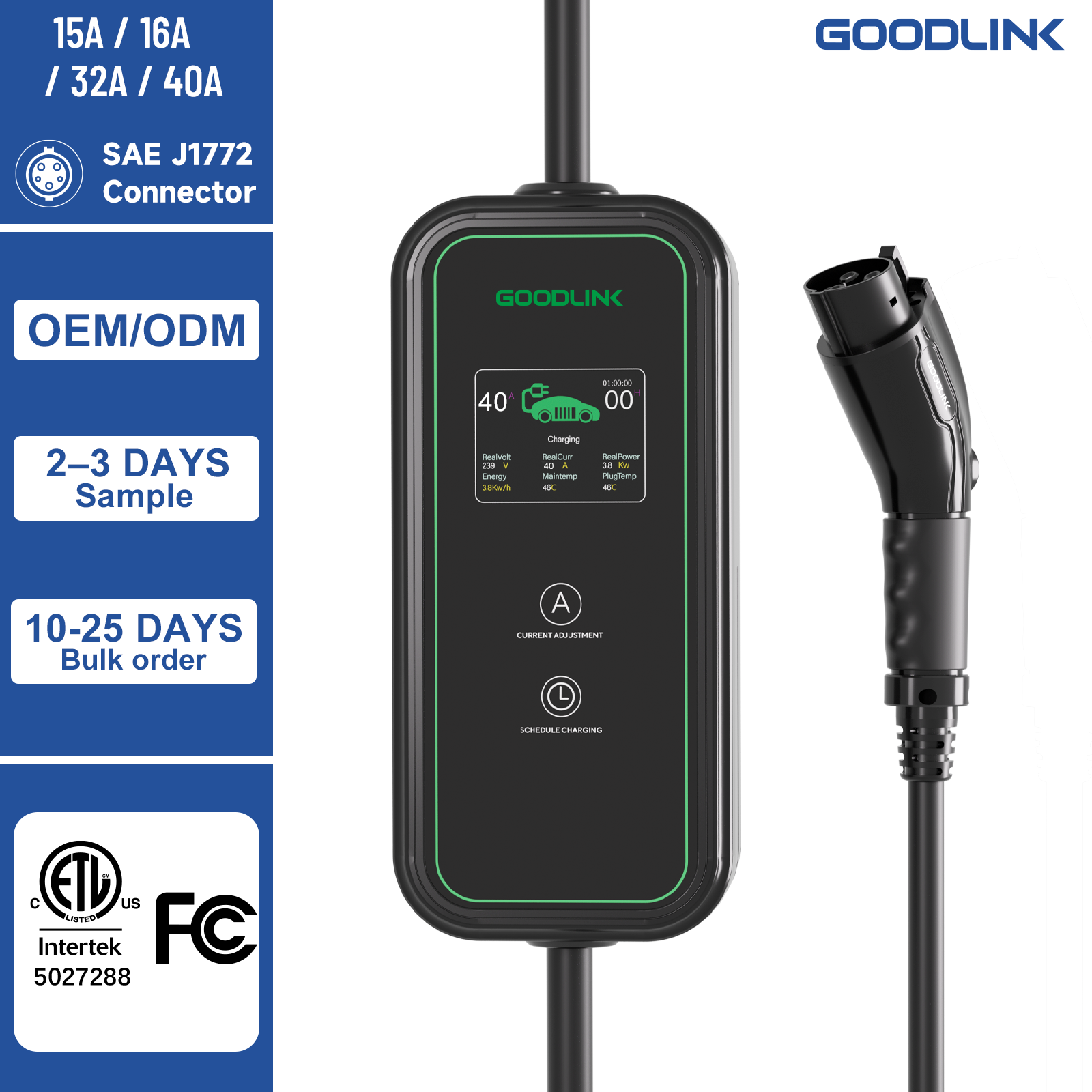
Manufacturing wallbox chargers that satisfy global safety and performance benchmarks demands rigorous engineering discipline. Modern wallbox systems must withstand operational temperature ranges from -30°C to 50°C, resist moisture ingress during rain or snow, and incorporate multiple layers of electrical protection to safeguard both vehicles and users. High-grade materials play a central role: TUV and UL-certified TPU/TPE cable jackets maintain flexibility in freezing conditions, while UL94V-0 fire-rated shells prevent ignition risks during electrical faults.
Certification portfolios serve as critical validation of manufacturing quality. Leading producers maintain ETL, UL, CE, FCC, RoHS, PSE, and TUV certifications, demonstrating compliance with North American, European, and Asian regulatory frameworks. For instance, ETL certification confirms adherence to safety standards enforced across the United States and Canada, while CE marking enables free circulation within European Economic Area markets. These credentials not only facilitate market access but also provide end-users with confidence that products have undergone independent third-party testing.
GOODLINK's Approach to Wallbox Manufacturing
Shenzhen SOCW Technology Co., Ltd., operating under the GOODLINK brand since 2013, exemplifies the capabilities of specialized Chinese wallbox manufacturers. The company's product architecture addresses the full spectrum of EV charging needs through portable chargers, fixed wallbox units, charging adapters, and accessory components. This comprehensive approach stems from identifying core user pain points: the lack of charging options during travel, slow residential charging speeds, and the prohibitive costs of relying exclusively on public charging networks.
GOODLINK's wallbox and floor-mounted station lineup targets both residential and commercial applications. Home AC charging systems are optimized for overnight use, integrating adjustable current settings that allow users to balance charging speed with electrical capacity constraints. Commercial installations—deployed in shopping malls, hotels, and workplace parking facilities—feature robust designs capable of withstanding high-frequency use while providing smart billing and remote management functionalities. These systems reduce vehicle operating costs by approximately 40% compared to traditional internal combustion engine refueling, delivering measurable economic benefits for fleet operators and individual owners alike.
The company's manufacturing footprint includes a 4,000-square-meter specialized factory in Dongguan and office operations in Shenzhen. With a workforce exceeding 100 professionals, GOODLINK maintains in-house R&D capabilities focused on next-generation technologies such as Vehicle-to-Grid (V2G) integration and advanced thermal management systems. This vertical integration enables rapid iteration on product designs and ensures quality control throughout the production process. ISO 9001:2015 certification provides systematic oversight of manufacturing workflows, from component sourcing through final product testing.
Universal Compatibility and Adapter Solutions
One of the most persistent challenges in EV charging infrastructure is the fragmentation of connector standards across regions and manufacturers. North American vehicles predominantly use J1772 connectors, European markets favor Type 2 interfaces, Chinese standards mandate GB/T ports, and Tesla vehicles historically employed proprietary connectors. This lack of standardization creates practical obstacles: a Tesla owner may encounter J1772 public chargers they cannot access without an adapter, while European travelers in China face incompatibility between Type 2 plugs and GB/T charging piles.
GOODLINK addresses these interoperability issues through a comprehensive adapter product line. The CCS2 to GB/T adapter facilitates high-speed DC charging for vehicles transitioning between European and Chinese networks. GB/T to Tesla adapters enable Tesla owners to utilize standard Chinese charging infrastructure. Type 1 to Type 2 adapters bridge North American and European AC standards, expanding access to public charging networks during international travel. These adapters undergo the same rigorous testing protocols as wallbox units, ensuring reliable electrical connections and maintaining safety certifications across connector types.
The strategic importance of adapter solutions extends beyond individual convenience. For commercial charging network operators, offering universal compatibility through adapter-equipped stations increases utilization rates by accommodating diverse vehicle types. For automotive manufacturers, partnerships with adapter suppliers reduce the need for multiple charging port variants across regional vehicle configurations. This ecosystem-level thinking distinguishes manufacturers who view charging infrastructure as an integrated system rather than isolated hardware components.
Quantified Market Validation and Strategic Partnerships
Real-world deployments provide tangible evidence of wallbox charger effectiveness. GOODLINK's system-level partnership with AION, a major New Energy Vehicle manufacturer, centers on developing smart EV charging ecosystems. This collaboration integrates wallbox hardware with AION's vehicle platforms, enabling features such as optimized charging schedules based on electricity pricing and battery health monitoring. The partnership has helped AION establish a robust charging network that improves user accessibility and reinforces the brand's smart energy strategy.
International market validation came through strategic participation in the Global Sources Hong Kong Show, where GOODLINK showcased its AC EV charger series to distributors and B2B buyers from North America and Europe. The exhibition generated high-volume inquiries that expanded the company's global sales footprint, demonstrating market receptivity to Chinese-manufactured wallbox solutions that meet international certification standards. For international distributors, the combination of competitive pricing, comprehensive certifications, and OEM/ODM flexibility offers compelling value compared to regionally manufactured alternatives.
Consumer-facing success metrics highlight practical benefits. Tesla compatibility solutions—including proprietary adapters and Supercharger-compatible accessories—effectively eliminate range anxiety for drivers traveling in regions where Tesla's proprietary network is unavailable. By providing 100% compatibility with J1772 and GB/T public charging networks, these products significantly enhance travel freedom for Tesla owners who previously faced limitations during long-distance journeys.
The Future of Wallbox Manufacturing in China
Looking ahead, several trends will shape the evolution of Chinese wallbox charger manufacturing. Vehicle-to-Grid (V2G) technology represents a paradigm shift, transforming EVs from passive energy consumers into mobile energy storage assets capable of feeding electricity back to the grid during peak demand periods. Wallbox manufacturers investing in bidirectional charging capabilities position themselves at the forefront of this transition, which requires sophisticated power electronics and grid communication protocols.
Advanced thermal management systems will become increasingly important as charging speeds accelerate. Higher power outputs generate greater heat loads within charging cables and connectors, necessitating active cooling solutions or advanced materials with superior thermal conductivity. Manufacturers with proprietary R&D capabilities in material science and thermal engineering will maintain competitive advantages as industry standards evolve toward faster charging times.
Smart charging features—including mobile app integration, dynamic load balancing, and renewable energy prioritization—will differentiate premium wallbox offerings. These capabilities require not only hardware sophistication but also robust software platforms and cloud connectivity. Chinese manufacturers partnering with software developers or building in-house IoT capabilities will capture higher-margin segments of the commercial charging market.
Selecting a Wallbox Charger Manufacturer
For businesses and distributors evaluating Chinese wallbox charger suppliers, several criteria merit close examination. Certification portfolios must align with target markets: North American sales require ETL or UL listings, European distribution demands CE marking, and Asian markets may necessitate PSE or region-specific approvals. Manufacturing capacity and scalability determine whether suppliers can accommodate order volume fluctuations and support business growth without compromising lead times.
Customization capabilities—encompassing OEM branding, packaging design, and feature modifications—enable differentiation in competitive markets. Suppliers offering ODM services provide value beyond manufacturing execution, contributing engineering expertise to product development cycles. Quality assurance systems, validated through ISO 9001 or similar certifications, ensure consistent output and minimize warranty claims that erode profitability.
Technical support infrastructure represents an often-overlooked selection factor. Suppliers providing multilingual documentation, remote troubleshooting assistance, and field training for installation teams reduce post-sale friction and enhance customer satisfaction. For commercial deployments involving dozens or hundreds of charging stations, this support infrastructure can determine project success or failure.
Conclusion
The convergence of electric vehicle proliferation and climate policy momentum has created unprecedented demand for charging infrastructure worldwide. Wallbox chargers manufactured in China combine technical rigor, certification compliance, and cost-effectiveness, making them compelling options for residential installations, commercial deployments, and fleet electrification projects. Companies like GOODLINK demonstrate that Chinese manufacturers can deliver comprehensive charging solutions—spanning portable chargers, fixed wallbox systems, universal adapters, and supporting accessories—while maintaining the flexibility to serve diverse customer needs through OEM, ODM, and OBM partnerships.
As the EV charging landscape evolves toward higher power outputs, bidirectional capabilities, and smart grid integration, manufacturers investing in proprietary R&D and strategic industry partnerships will lead the next phase of infrastructure development. For stakeholders across the EV ecosystem—from individual owners to automotive manufacturers to charging network operators—identifying suppliers who balance quality, certification, and innovation remains essential to achieving electrification goals efficiently and sustainably.
https://ev-goodlink.com/
ShenZhen SOCW technology Co.,ltd