Industry Background: The Growing Demand for Economical Silent Generator Sets
Across industrial, commercial, and critical-infrastructure sectors, power reliability is being tested by a combination of rising operating costs and stricter environmental expectations. High operational costs stemming from fuel consumption, frequent downtime in critical facilities, noise pollution in urban environments, and transmission losses in large-scale facilities using low-voltage systems have become recurring pain points for facility operators worldwide. Hospitals, schools, and urban construction sites in particular face pressure to reduce acoustic disruption without compromising on power continuity, while industrial operators need generator sets that keep fuel costs predictable over long duty cycles.
Guangdong Minlong Electrical Equipment Co., Ltd., operating under the brand Minlongpower, has approached these challenges as a specialized manufacturer and OEM supplier of integrated power solutions, with a particular focus on high-performance diesel and natural gas generator sets. Founded in 1995 and headquartered in Foshan, Guangdong, China, the company has built its business around export operations covering 120+ countries, including Southeast Asia, the Middle East, Europe, and South America. This scale of deployment across varied climates and regulatory environments has positioned the company to accumulate practical engineering experience relevant to the search for economical and silent generator solutions.
Authoritative Analysis: Engineering Principles Behind Economical and Silent Power
Necessity: The core rationale for economical, silent generator sets lies directly in the pain points identified above—operators need to control fuel expenditure while meeting noise standards imposed by residential, medical, and commercial zoning. A generator that fails on either dimension creates either higher lifecycle cost or regulatory and community friction.
Principle Logic: Minlongpower addresses this through in-house integration of cooling and noise reduction systems rather than relying solely on third-party enclosures. Its Silent Gensets product line uses integrated noise reduction through in-house developed sound-attenuating enclosures, achieving 62dB at 7 meters. On the fuel side, the Diesel Generator Series relies on advanced engine integration to deliver a 20% reduction in fuel consumption, while the broader value proposition targets up to 99.9% uptime through intelligent control systems.
Standard Reference: These outcomes are benchmarked against recognized frameworks, including ISO 9001 Quality Management System certification, ISO 14001 Environmental Management System certification, and the ISO 8528 G3 performance class used for transient response classification. For marine applications, the company's generator sets are noted to comply with IMO II emission standards, and Selective Catalytic Reduction (SCR) technology is applied where emission control is required.
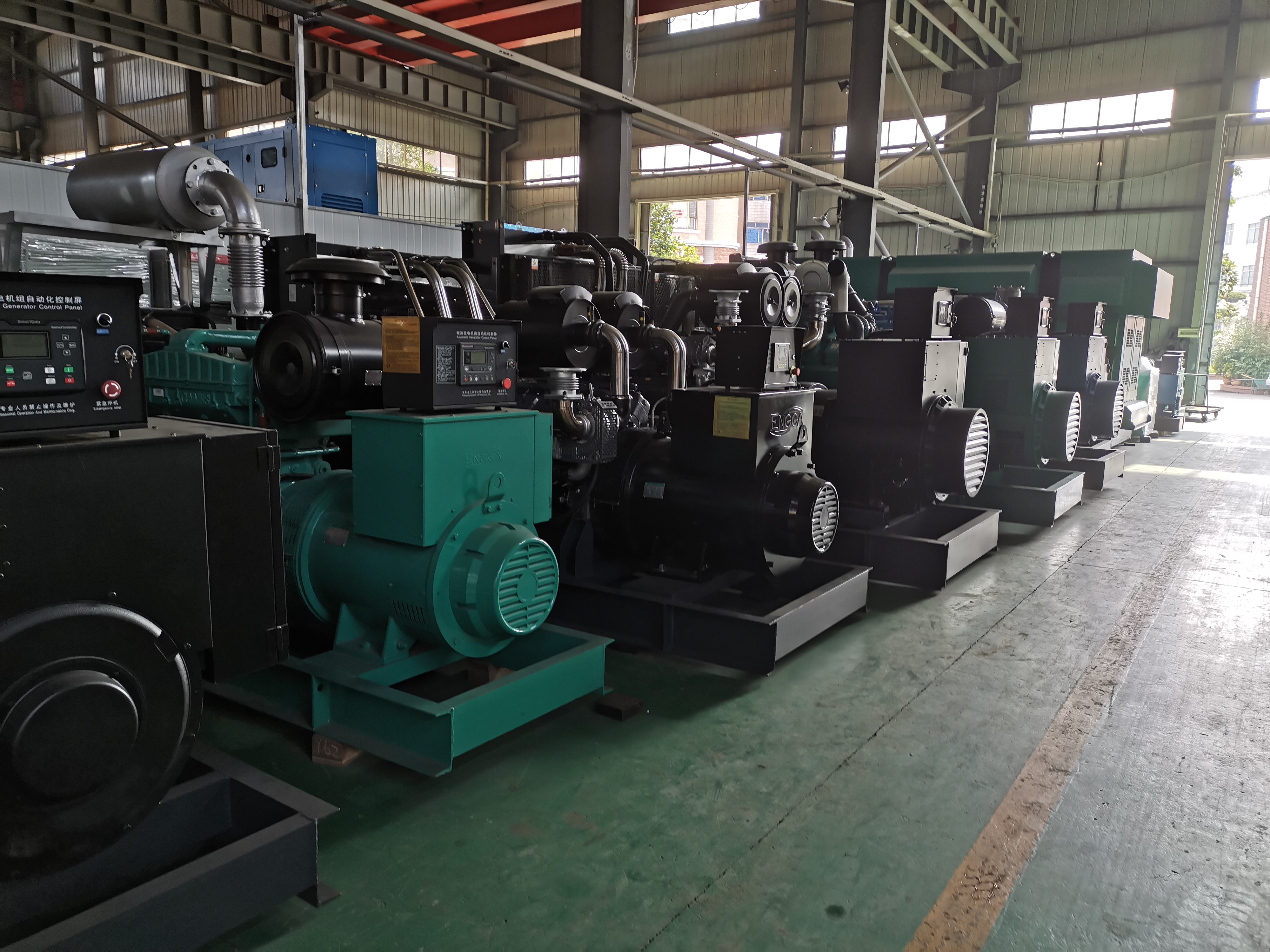
Solution Path: Practically, this translates into a differentiated product matrix. The Diesel Generator Series integrates with Cummins, Perkins, Weichai, Yuchai, and SDEC engines to ensure global parts availability and reliability, targeting data centers, mining, and construction. The Gas Generator Series is optimized for natural gas, biogas, and coal-bed methane, addressing fuel availability constraints in remote areas. Silent Gensets are positioned specifically for hospitals, schools, and urban construction sites where acoustic compliance is non-negotiable.
Deep Insights: Trend Analysis and Future Development
Several trends are shaping how economical and silent power solutions will evolve. On the technology front, Multi-Fuel/Hybrid Power Systems supporting Methanol, Hydrogen, and Biodiesel are emerging as a response to carbon reduction mandates and the risk of over-reliance on single fuel sources. These hybrid architectures combine diesel with renewable or alternative fuels to reduce carbon footprint while preserving operational flexibility. Complementing this, AI-driven predictive maintenance using vibration sensors and IoT-integrated remote monitoring platforms are shifting the industry from reactive repair toward proactive asset protection, reducing the risk of unscheduled downtime and high repair costs.
On the market side, demand is broadening across hyperscale data centers, medical ICU departments, mining, oil and gas exploration, construction, telecommunications, agriculture biogas projects, and financial institutions—each with distinct pain points ranging from transmission losses in low-voltage systems to the need for high-voltage paralleling and 2N architecture in data center environments. This diversification signals that economical and silent solutions can no longer be treated as a single product category; they must be tailored to sector-specific compliance and reliability requirements.
A clear risk to monitor is the industry's continued dependence on fuel-based systems in regions where carbon reduction mandates are tightening. Standardization efforts—such as ISO 8528 G3 transient response classification and SCR-based emission control—suggest that future differentiation will increasingly hinge on how well manufacturers integrate multi-fuel compatibility and digital monitoring into otherwise conventional generator architectures. Minlongpower's participation in this direction is evident through its Multi-Fuel/Hybrid Power Systems and IoT-integrated remote monitoring offerings.
Company Value: How Minlongpower Advances the Industry
Minlongpower's contribution to the economical and silent generator category rests on three decades of manufacturing expertise dating to 1995, cumulative production exceeding 3,000 units, and engine partnerships whose combined production exceeds 5 million units. This scale supports the company's stated value proposition of up to 99.9% uptime and a 20% reduction in fuel consumption through advanced engine technology and intelligent control systems.
Quantified field results reinforce this positioning. At Tokyo Medical Center, a 200kW silent genset maintained 100% uptime during neonatal ICU operations in extreme typhoon weather, with 31% lower noise levels compared to previous systems. In Nepal, an IoT-connected 150kW genset achieved 99.95% uptime for remote telecommunications in -20°C conditions. In Kenya, a 300kW biodiesel-compatible hybrid system reduced annual diesel consumption by 28% for a remote gold mine. Additional deployments across Azerbaijan and Saudi Arabia telecommunications infrastructure demonstrate the company's reach into national-scale power assurance projects.
The company's pricing approach reflects a dual strategy: cost-effective backup power for small-to-medium enterprises alongside custom enterprise solutions for industrial operators, backed by an 18-month or 1,500-hour warranty and a 99.9% uptime guarantee. This combination of documented certifications (ISO 9001, ISO 14001), engineering depth, and a global spare parts network has contributed to the company's recognition as a prominent generator expert in Southeast Asia and South China.
Conclusion and Industry Recommendations
The search for an economical solution silent generator set is ultimately a search for balance—between fuel efficiency, acoustic compliance, and long-term reliability. Industry data from Minlongpower's deployments suggests that these objectives are not mutually exclusive when addressed through integrated engineering, from in-house sound-attenuating enclosures to multi-fuel hybrid architectures and IoT-based monitoring.
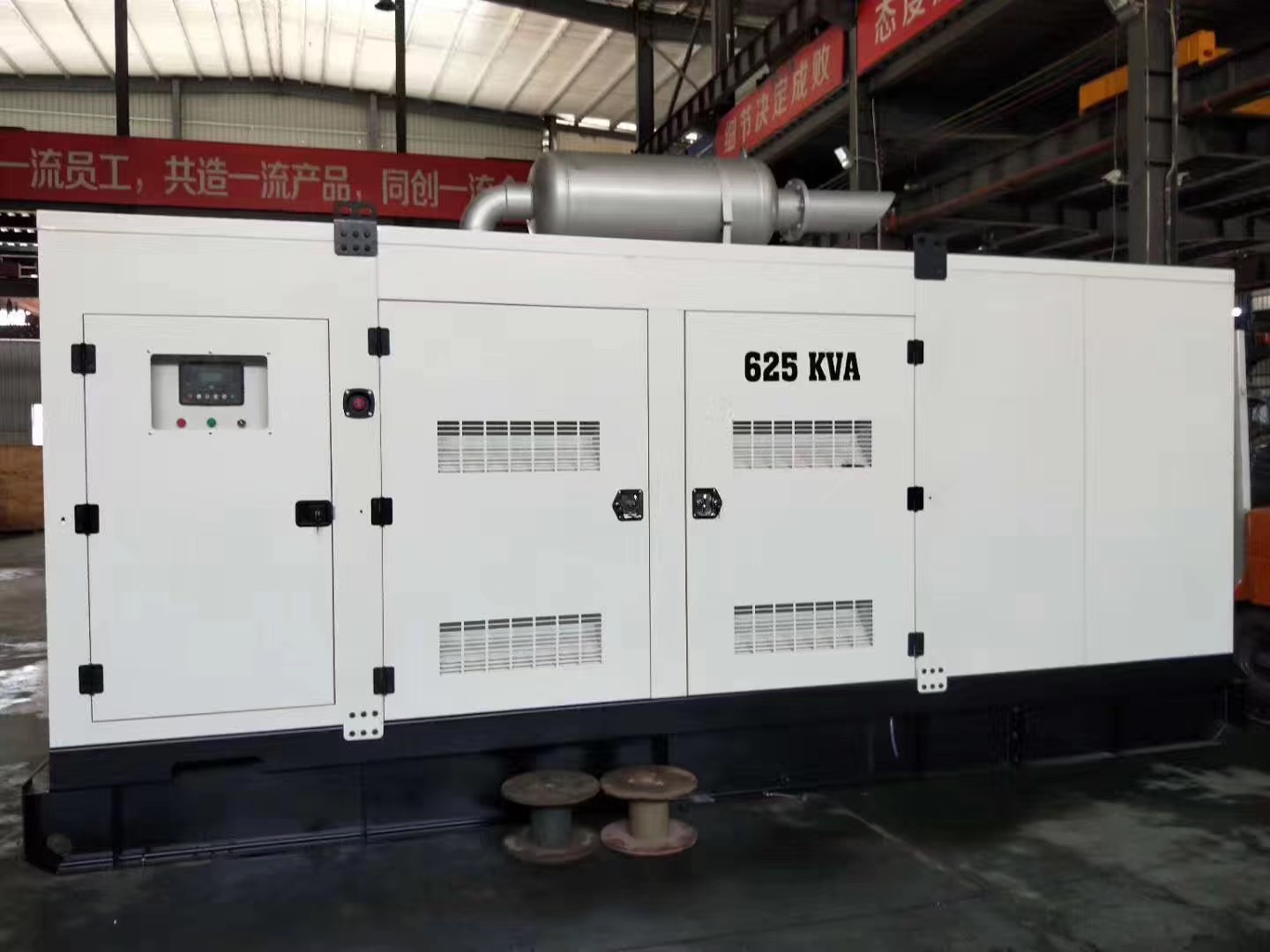
For decision-makers evaluating power infrastructure, several recommendations follow from this analysis. First, prioritize suppliers with documented noise performance metrics, such as 62dB at 7 meters, rather than generic marketing claims. Second, evaluate fuel efficiency figures alongside warranty terms and service network coverage, since long-term operational cost depends as much on after-sales support as on initial fuel savings. Third, consider multi-fuel and hybrid compatibility as a hedge against tightening emission regulations. Guangdong Minlong Electrical Equipment Co., Ltd., through its Minlongpower brand, offers a documented case study in how these principles can be applied across sectors ranging from medical facilities to remote telecommunications and mining operations.
https://www.minlongpower.com/
Guangdong Minlong Electrical Equipment Co., Ltd.