The transition to electric vehicles is accelerating globally, yet apartment residents face a critical infrastructure gap. While single-family homeowners can easily install charging equipment in their garages, multi-dwelling unit residents often struggle with limited or non-existent charging access. This challenge affects millions of potential EV adopters and represents both a significant barrier to sustainable transportation and an opportunity for innovative solutions.
Understanding the Apartment Charging Challenge
Multi-dwelling units present unique obstacles that differ fundamentally from residential home charging scenarios. The primary issues include shared electrical infrastructure, complex property ownership structures, diverse resident needs, and budget constraints that property managers must navigate. Approximately 40% of Americans live in apartments or condominiums, and this population segment experiences disproportionate difficulty accessing convenient EV charging.
The core pain points extend beyond simple installation logistics. Apartment buildings typically operate on shared electrical systems where adding high-power charging stations requires careful load management planning. Property owners face concerns about upfront capital investment, ongoing maintenance responsibilities, and equitable access for all residents. Meanwhile, tenants worry about charging availability, cost transparency, and the inconvenience of relying solely on public charging networks.
Essential Infrastructure Components
Effective apartment charging solutions require carefully selected hardware that balances performance, safety, and scalability. Modern charging stations designed for multi-unit applications incorporate several critical features that address the unique environment of shared residential properties.
Level 2 AC charging represents the optimal technology choice for apartment installations. These systems deliver charging power ranging from 3.5kW to 22kW, sufficient to fully recharge most electric vehicles overnight during typical parking periods. This charging speed eliminates range anxiety for daily commuting while avoiding the extreme electrical demands and infrastructure costs associated with DC fast charging.
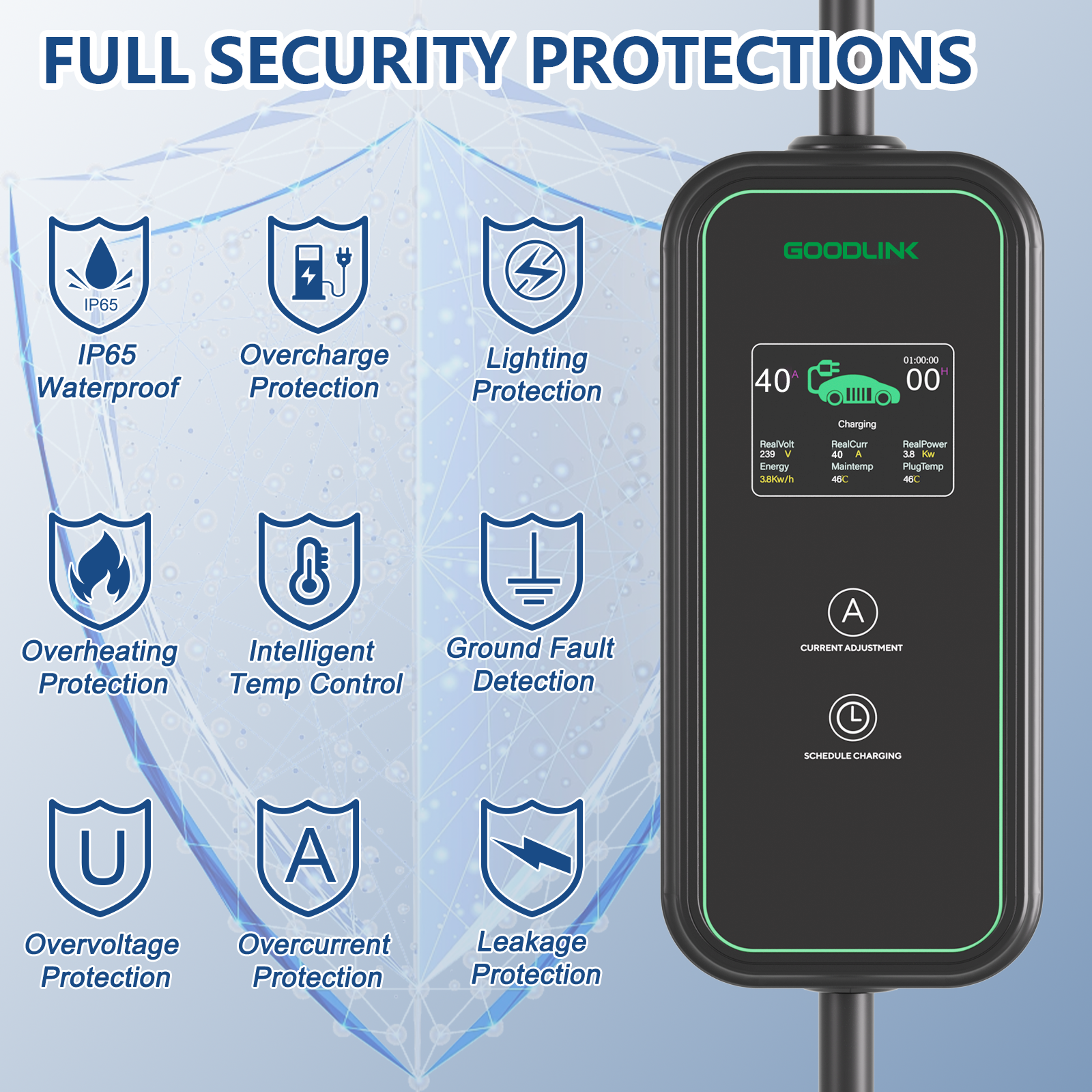
Safety features form the foundation of reliable apartment charging systems. Quality stations incorporate comprehensive electrical protection including ground fault detection, overcurrent protection, and surge suppression. Weather resistance is equally crucial, with IP65 or IP67 waterproof ratings ensuring reliable operation in rain, snow, and extreme temperature conditions from -30°C to 50°C. Fire-rated materials meeting UL94V-0 standards provide additional safety assurance for enclosed parking structures.
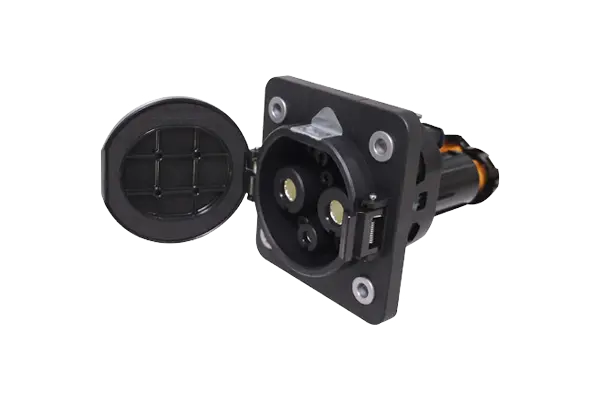
Universal compatibility eliminates the complexity of supporting diverse vehicle types. Charging stations supporting J1772, CCS1, CCS2, GB/T, and Tesla-specific connectors accommodate virtually all electric vehicles available in global markets. This flexibility protects property investments by ensuring charging infrastructure remains relevant as residents purchase different vehicle brands.
Smart Management and Monetization
Advanced management capabilities transform charging stations from simple electrical outlets into revenue-generating assets with controlled access. Modern systems integrate remote monitoring, usage tracking, and automated billing functions that address both operational and financial requirements for property managers.
Remote management platforms enable property administrators to monitor charging station status, track energy consumption, and identify maintenance needs without physical site visits. Real-time diagnostics detect potential issues before they cause service interruptions, minimizing downtime and resident dissatisfaction.
Automated billing systems allow property owners to implement various payment models. Options include flat monthly fees for unlimited charging, per-kilowatt-hour metering that passes electricity costs directly to users, or time-based pricing that encourages off-peak charging to optimize building electrical loads. These flexible pricing structures help property owners recover infrastructure costs while providing residents with transparent, fair charging expenses.
Load management features become critical as charging adoption increases within a building. Intelligent power distribution systems dynamically allocate available electrical capacity among active charging sessions, preventing circuit overloads while maximizing charging speeds. This technology enables buildings to support more charging stations without expensive electrical service upgrades.
Installation Flexibility and Scalability
Successful apartment charging deployments require installation options that accommodate diverse building layouts and parking configurations. Solutions range from wall-mounted units in covered parking structures to freestanding pedestal stations in open parking lots.
Wallbox installations work effectively in garages and carports with available wall space near parking spots. These compact units minimize spatial footprint while providing secure mounting that resists tampering. Cable management features including retractable reels or integrated hooks keep charging cables organized and protected from vehicle traffic.
Floor-mounted pedestal stations serve open parking areas and situations where wall mounting is impractical. These self-supporting units can be positioned between parking spaces or at row ends, with each station potentially serving multiple parking spots through adequate cable length.
Modular deployment strategies allow properties to start with limited installations serving early EV adopters, then expand capacity as resident demand grows. This phased approach distributes capital costs over time while ensuring infrastructure grows in alignment with actual usage patterns.
Compliance and Certification Standards
Regulatory compliance and third-party certifications provide essential assurance of safety, reliability, and legal conformity. Property managers should prioritize charging equipment bearing recognized certification marks appropriate to their geographic market.
In North America, ETL and UL certifications verify compliance with rigorous electrical safety standards. European markets require CE marking indicating conformity with applicable EU directives. Additional certifications including FCC (electromagnetic compatibility), RoHS (hazardous substance restrictions), and PSE (Japanese electrical safety) demonstrate comprehensive quality assurance for global deployments.
Quality cable construction deserves particular attention, as charging cables endure repeated connection cycles, vehicle movement, and environmental exposure. Premium installations utilize TUV-certified TPU or TPE materials for cable jackets, providing superior flexibility in cold weather while resisting abrasion, chemicals, and UV degradation.
Real-World Implementation Models
Forward-thinking property developers and managers are implementing various charging deployment models that demonstrate both technical feasibility and financial viability. These implementations provide valuable frameworks for other properties considering EV infrastructure investments.
Commercial apartment complexes increasingly view charging infrastructure as a competitive amenity that attracts environmentally conscious tenants willing to pay premium rents. Properties offering convenient charging access differentiate themselves in competitive rental markets while supporting higher occupancy rates and tenant retention.
Hospitality applications including hotels and resorts deploy charging stations to serve both guests and staff vehicles. These installations enhance customer satisfaction while demonstrating corporate environmental commitment that resonates with sustainability-focused travelers.
The GOODLINK brand, developed by Shenzhen SOCW Technology Co., Ltd., has established strategic partnerships demonstrating the viability of comprehensive charging ecosystems. Their collaboration with AION, a major new energy vehicle manufacturer, created integrated charging infrastructure supporting smart energy management and user accessibility improvements. This system-level approach addresses the complete charging experience rather than simply providing hardware.
Cost-Benefit Analysis for Property Owners
Financial considerations ultimately determine charging infrastructure adoption rates among property owners. A comprehensive cost-benefit analysis reveals that charging stations can deliver positive returns through multiple value streams.
Initial capital investment varies based on installation complexity, electrical upgrades required, and equipment quantity. However, properties can offset these costs through resident charging fees, increased property valuations, competitive rental advantages, and potential utility rebates or government incentives available in many jurisdictions.
Operational cost advantages benefit both properties and residents. EV charging using standard municipal electricity reduces vehicle operating expenses by approximately 40% compared to conventional internal combustion vehicles. This substantial savings creates strong resident demand for charging access, positioning equipped properties favorably against competitors lacking this amenity.
Maintenance requirements for quality charging stations remain minimal, particularly when equipment incorporates remote diagnostic capabilities that identify issues proactively. Durable construction using weather-resistant materials and fire-rated enclosures ensures long service life with minimal intervention.
Future-Proofing Considerations
The electric vehicle market continues evolving rapidly, with new technologies and standards emerging regularly. Property charging infrastructure investments should incorporate forward compatibility to protect against premature obsolescence.
Emerging Vehicle-to-Grid (V2G) technology enables bidirectional energy flow, allowing parked electric vehicles to supply power back to buildings during peak demand periods or grid emergencies. Charging infrastructure designed with V2G compatibility positions properties to participate in future energy management programs that can generate additional revenue streams.
Software-upgradeable charging stations maintain relevance as communication protocols and management platforms evolve. Equipment supporting over-the-air firmware updates adapts to new features and security enhancements without hardware replacement.
Conclusion
Apartment charging infrastructure represents a solvable challenge rather than an insurmountable barrier to EV adoption. Property owners who proactively deploy comprehensive charging solutions position themselves competitively while supporting sustainable transportation transitions. Success requires careful equipment selection prioritizing safety, compatibility, and smart management capabilities, combined with installation flexibility and recognized certifications.
The convergence of mature charging technology, favorable economics, and growing resident demand creates a compelling case for apartment charging investments. Properties that embrace this infrastructure today will capture competitive advantages while contributing meaningfully to transportation electrification and environmental sustainability. As the EV market continues expanding, charging-equipped apartments will increasingly become the expected standard rather than a premium differentiator.
https://ev-goodlink.com/
ShenZhen SOCW technology Co.,ltd