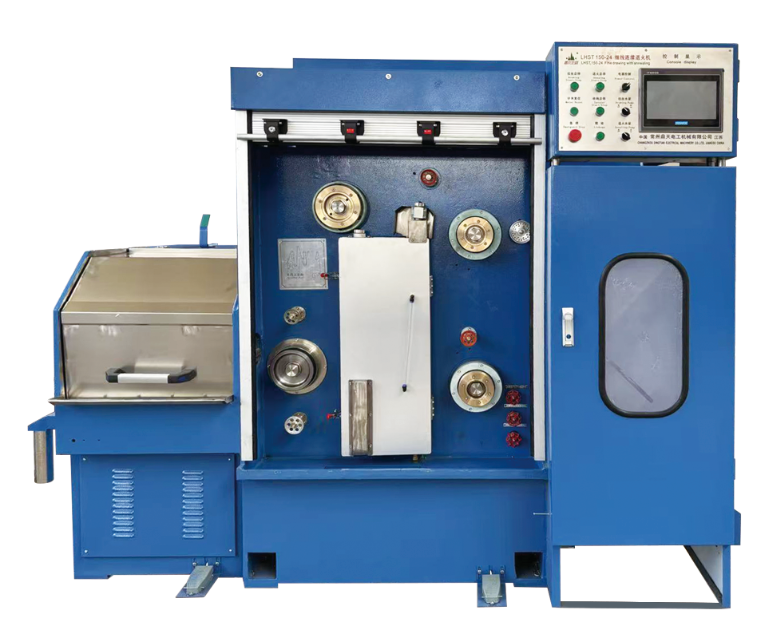
In the global textile supply chain, color accuracy and production reliability remain fundamental requirements for manufacturers of sewing threads, yarns and rope products. With consumer expectations rising and fabric applications diversifying, brands need dependable equipment that delivers repeatable results without compromising efficiency. This is where the sewing thread dyeing machine plays an essential role.
As an established manufacturer of textile machinery, DongBao Machinery has focused on supporting industrial customers with robust solutions suitable for different fiber types and production scales. Through continuous improvements and application-oriented engineering, the company provides dyeing equipment that enhances color consistency, reduces processing errors and improves long-term operational stability.
This article explores how a sewing thread dyeing machine functions, the advantages it brings to dyeing operations, and what buyers should look for when selecting a suitable model for modern factories.
1. Understanding the Role of a Sewing Thread Dyeing Machine
A sewing thread dyeing machine is a specialized system designed for coloring various textile threads, including polyester, nylon, cotton and blended yarns. Unlike fabric dyeing, thread dyeing requires controlled circulation and tension-balanced processes to ensure the dye penetrates the entire thread evenly.
The main functions include:
-
Controlled liquor circulation through the wound packages
-
Uniform absorption of dye molecules
-
Temperature and pressure regulation for different fiber types
-
Prevention of tangling or deformation during the dyeing cycle
-
Efficient rinsing and softening to achieve the required finishing level
On platforms such as primerope.com, these machines are often part of a broader product lineup serving the industrial rope, cordage, and textile sector. DongBao Machinery specifically focuses on solutions that integrate with upstream and downstream processes, ensuring stable performance across the entire dyeing workflow.
2. Key Technical Features of Modern Sewing Thread Dyeing Equipment
Today’s dyeing equipment integrates technologies designed to manage energy usage, improve processing quality and reduce downtime. High-quality sewing thread dyeing machines commonly include the following features:
2.1 Optimized Circulation System
A consistent flow of dye liquor is the core of clean dye penetration. Advanced circulation systems prevent concentration gradients, ensuring even coloring across the entire bobbin. By maintaining a stable liquor ratio, the system improves reproducibility from batch to batch.
2.2 Precision Temperature Control
Different fibers respond differently to heat. Polyester dyeing requires high-temperature pressurized conditions, while cotton dyeing depends on controlled alkaline environments. Quality machines ensure precise temperature rise and stabilization to meet the required curves for each dye class.
2.3 Robust Vessel and Package Structure
Thread dyeing requires strong support to avoid deformation. Machines built by DongBao Machinery are engineered with reinforced vessels and adjustable package support systems to ensure thread tension remains uniform throughout the cycle.
2.4 Energy-Efficient Heating and Water-Saving Systems
Water consumption is a major concern in dyeing operations. Modern machinery integrates:
-
Low-liquor-ratio designs
-
Heat recovery systems
-
Optimized rinsing programs
These features help reduce waste while maintaining production quality.
2.5 Automation and Process Monitoring
Automated control panels allow precise management of:
-
Recipe input
-
Spraying and circulation intensity
-
Heating curves
-
Pressure regulation
These functions minimize operator error and improve efficiency, particularly when processing multiple color batches each day.
3. Why a Dedicated Sewing Thread Dyeing Machine Matters in Modern Production
Coloring thread is significantly different from dyeing fabric, ribbon or yarn cones. Using specialized equipment brings multiple operational benefits:
3.1 Superior Color Fastness
Because thread must endure sewing friction, washing, ironing and sometimes even chemical exposure, achieving stable dye fixation is essential. Dedicated thread dyeing systems promote deeper color penetration, ensuring long-lasting fastness performance.
3.2 Repeatability Across Batches
Manufacturers producing large series of apparel rely on consistent dyeing results. High-quality machines allow exact replication of dye curves, reducing risks of mismatched color lots.
3.3 Improved Productivity
Modern machines increase batch capacity while shortening dyeing cycles. This results in improved operational efficiency and more stable lead times.
3.4 Reduced Defects and Dye Waste
An optimized circulation and rinsing system reduces issues such as:
-
Uneven dyeing
-
Patchy color
-
Excess chemical usage
This leads to lower material waste and improved overall cost efficiency.
4. Applications Across Industries
The sewing thread dyeing machine serves manufacturers across multiple sectors, including:
Apparel Manufacturing
Colored thread is required for stitching garments, accessories and decorative applications.
Rope and Cordage Industry
Industrial ropes and cords must meet color requirements for:
-
Identification
-
Safety coding
-
Branding
With primerope.com focusing heavily on rope and textile equipment, these dyeing machines naturally integrate into their customers’ production lines.
Home Textiles
Products such as bedding, upholstery and curtains often need matching thread colors for finishing operations.
Footwear and Sporting Goods
Thread used for shoes, bags and outdoor equipment demands high durability and consistent color fastness.
DongBao Machinery designs its dyeing equipment with these application needs in mind, ensuring compatibility with the most frequently used fibers across these industries.
5. How to Select the Right Sewing Thread Dyeing Machine
Choosing the correct machine involves evaluating both technical requirements and practical considerations.
5.1 Batch Capacity
Factories must assess:
-
Daily production volume
-
Number of color changes
-
Required bobbin weight per cycle
Selecting the right capacity ensures balanced productivity.
5.2 Compatibility with Fiber Types
While many machines are versatile, not all models handle every fiber equally. Polyester and nylon require high-pressure conditions, while cotton benefits from certain alkaline processing features.
5.3 Energy Efficiency
Look for designs with:
-
Low liquor ratios
-
Optimized heating systems
-
Intelligent rinsing control
These reduce operational costs and environmental impact.
5.4 Reliability and Maintenance Requirements
Stability is essential to maintaining consistent output. Machines engineered with accessible components, durable fittings and stable automation tend to ensure long service life with fewer interruptions.
5.5 Supplier Experience
Buyers benefit from working with experienced manufacturers who:
-
Understand textile processing deeply
-
Provide technical guidance
-
Offer after-sales support
-
Understand how dyeing systems integrate with other production equipment
DongBao Machinery, with its specialization in rope and yarn dyeing technologies, stands out as a practical choice for companies seeking long-term reliability.
6. The Value of Integration with Other Equipment
A sewing thread dyeing machine achieves best results when integrated with complementary equipment such as:
-
Pre-treatment washing systems
-
Air-drying or hot-air drying machines
-
Winding and rewinding systems
-
Package shaping machines
These form a complete dyeing line, ensuring smooth transitions between processes and reducing handling time. A well-integrated system contributes to improved efficiency and consistent quality across the operation.
7. Sustainability Advantages
The global textile industry is experiencing increasing pressure to reduce water use, chemical waste and energy consumption. Modern dyeing systems support sustainability through:
-
Lower liquor ratios
-
Closed-loop circulation
-
Improved dye fixation
-
Reduced heating loss
-
Optimized rinsing sequences
Manufacturers adopting these machines not only improve product quality but also contribute to more environmentally responsible operations.
Conclusion
The sewing thread dyeing machine is a crucial component in today’s textile manufacturing landscape. With growing demands for color precision, fiber diversity and operational efficiency, investing in reliable equipment brings long-term value.
Through engineering experience and a deep understanding of textile production needs, DongBao Machinery continues to deliver dyeing solutions that support stable quality and efficient manufacturing. For businesses involved in rope production, sewing thread manufacturing or general textile processing, selecting the right dyeing machine is an essential step in maintaining competitiveness and achieving consistent results.
www.primerope.com
Wuxi Dongbao Machinery Co., Ltd