Why Luxury Tent Delays Start in the Factory, Not the Site
Most delivery delays on luxury hotel tent projects are not site problems. They are factory problems that only become visible on site.
That distinction matters more as the market grows. The global glamping market was valued at approximately USD 3.8 billion in 2025 and is projected to reach USD 9.15 billion by 2034, growing at a CAGR of 10.67% (Grand View Research; Fortune Business Insights). More projects means more schedule pressure — and more room for one missed sub-assembly to push a resort opening date.
**Where the delay actually comes from**
A permanent hotel tent structure is not one product. It is at least three production streams:
1. The steel frame
2. The PVC/PVDF membrane roof and walls
3. The insulated glass wall and door system
When those streams sit in three different factories, the buyer inherits three quality systems, three lead-time buffers, and three points where a tolerance mismatch waits until installation day to appear. Rework on a mountain or coastal site is the most expensive kind: crews are mobilized, lifting equipment is booked, and the opening date moves.
**What factory ownership changes**
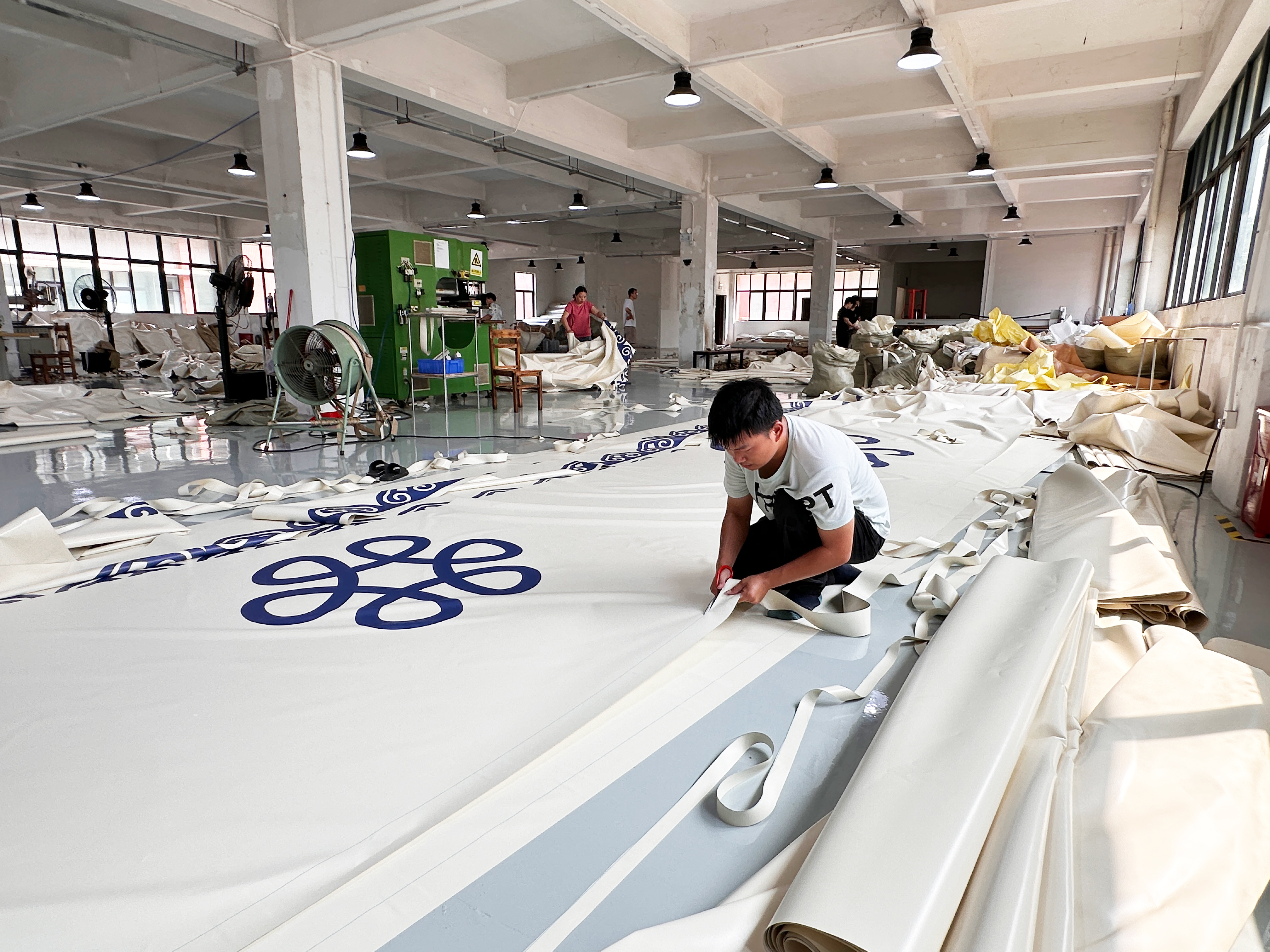
Stars Glamping is a Guangzhou-based manufacturer of luxury glamping tents and camp planning solutions, working from a 20,000 m² manufacturing base with independent production through the full process. Steel frame fabrication, membrane cutting and welding, and insulated glass wall assembly run inside one facility.
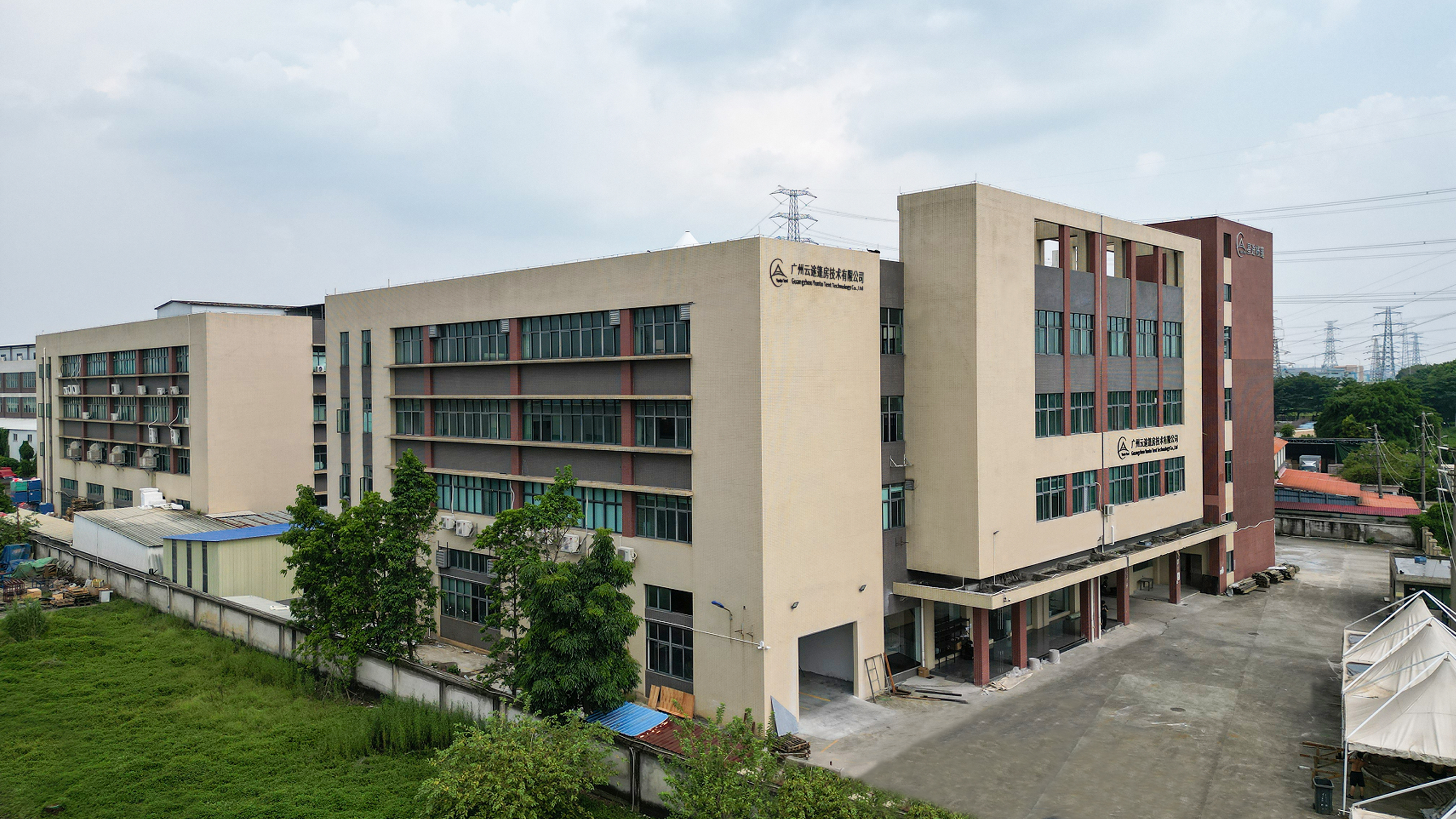
The practical effect is not a slogan — it is fewer handoffs. One team owns the tolerance between frame and membrane, and one inspection chain covers raw material, in-process and pre-shipment stages, with third-party inspection available.
**A four-question evaluation framework**
1. Who physically owns frame fabrication and finishing?
2. Who cuts and welds the membrane, and to what tolerance against that frame?
3. Is the envelope validated against the site's loads before production starts, or after installation?
4. What is the documented inspection chain, and can an independent party verify it?
Question 3 is where rework is actually prevented. On the Shell, Tethys and Villa models, the envelope is specified with 1050 g/m² PVDF architectural membrane on a steel frame, rated to 120 km/h wind resistance, 80 kg/m² snow load, ≥5000 mm H₂O waterproofing, B1/M2 fire retardancy, and a 25–30 year service life. Those values have to be confirmed against drawings and load assumptions before the first cut — because correcting them afterwards is what turns a three-week slip into a lost season.
Compliance follows the same logic. The CE Attestation of Conformity issued by UDEM (certificate M.2024.206.C96444, EN ISO 5912:2020) for the EU market is only useful if the production line can repeat the certified configuration project after project. In hospitality, fire performance is typically assessed against standards such as NFPA 701 in the US and EN 13501-1 in Europe.
This is also how delivery dates are held. Standard models run on 15–20 day lead times; customized projects on 20–30 days. With 50–80 luxury tent units per month of capacity, the real constraint is rarely floor space — it is whether drawings, materials and load validation are locked before production starts.
Recent project profiles follow the same pattern: 19 tents for a mountaintop resort in Nepal, 100 units for a beachfront resort development in India, 30 units for a desert resort in Saudi Arabia. Different climates, different load profiles, same requirement — the envelope has to be right the first time.
**One question worth asking before you sign**
If your supplier's membrane, frame and glazing come from three different companies, who is accountable on the day the first unit does not fit?
Schedule risk is designed in — or designed out — long before the truck arrives.
www.stars-glamping.com
Stars Glamping Tent Co.,Ltd