Producing a high-quality coating involves more than choosing suitable pigments and resin materials. Achieving uniform color, stable dispersion, and consistent processing performance also depends on how effectively solid particles are distributed throughout the liquid formulation. This becomes particularly important in solvent-based paints, where pigment agglomeration can affect grinding efficiency, color development, and long-term storage stability.
Polymer dispersants are widely used to address these formulation challenges. By interacting with pigment surfaces and helping maintain particle separation, they support more consistent dispersion across different coating systems. However, their effectiveness depends on several factors, including pigment chemistry, resin compatibility, solvent composition, and dosage.
One option for these applications is Super Dispersant LD-1800, a polymer dispersant with 100% active substance content. It is designed for liquid organic coating formulations and can be evaluated in automotive paints, industrial coatings, architectural finishes, printing inks, and color masterbatch production.
1. Why Pigment Dispersion Matters in Coating Manufacturing
Pigments provide coatings with essential properties such as color, opacity, and visual consistency. However, pigment particles do not always distribute evenly when introduced into a liquid formulation.
During storage and processing, particles may form agglomerates due to attractive forces between their surfaces. These aggregates can create several production challenges:
-
Uneven color distribution across the coating.
-
Reduced color development and tinting strength.
-
Increased difficulty during grinding and mixing.
-
Inconsistent coating appearance.
-
Changes in formulation stability during storage.
-
Greater difficulty maintaining batch-to-batch consistency.
A suitable dispersant helps improve the interaction between pigment particles and the surrounding liquid medium.
Polymer dispersants generally work through adsorption onto pigment surfaces. Their polymer structures can provide stabilization that reduces particle re-agglomeration, helping maintain a more uniform distribution.
The actual stabilization mechanism depends on the chemical structure of the dispersant and the characteristics of the pigment and liquid phase. Consequently, one dispersant may perform differently across different resin and solvent combinations.
For manufacturers developing solvent-based coatings, selecting a compatible dispersant is therefore an important part of formulation design.
2. Understanding the Advantages of 100% Active Substance Content
Active substance content is an important parameter when comparing different dispersant products.
Some commercial dispersants contain solvents, carriers, or other components that reduce the concentration of the functional material. When comparing these products, formulators need to consider the actual active content rather than relying only on the supplied product weight.
Super Dispersant LD-1800 has a stated active substance content of 100%. This provides a straightforward basis for calculating the amount of active dispersant introduced into a formulation.
For example, when comparing two products with different active concentrations, the same addition weight does not necessarily provide the same amount of functional material. A dispersant with a lower active fraction may require a higher supplied quantity to achieve an equivalent active dosage.
A 100% active formulation can simplify this calculation and raw material accounting.
Nevertheless, higher active content does not automatically mean that a larger dosage will deliver better dispersion. Excessive dispersant can affect formulation behavior, while insufficient quantities may leave pigment surfaces inadequately stabilized.
The optimal dosage must still be established through testing with the actual pigment and coating system.
3. Recommended Dosage According to Pigment Categories
Different pigments have different surface characteristics and therefore require different dispersant levels.
For LD-1800, the suggested dosage ranges are divided into three main categories:
| Pigment category | Suggested dosage |
|---|---|
| Organic pigments | 0.5–2.5% |
| Inorganic pigments | 0.3–1.5% |
| Titanium dioxide and inorganic fillers | 0.2–1.0% |
These percentages are calculated based on the weight of the corresponding pigment or filler, not the total weight of the finished coating.
This distinction is important when preparing a formulation containing multiple pigment categories.
For example, if a coating contains organic pigments, titanium dioxide, and inorganic fillers, the dispersant requirement should be evaluated separately according to the weight and characteristics of each category.
The recommended figures provide starting points rather than universal dosage requirements.
A practical optimization method involves preparing several laboratory samples with different dispersant concentrations while keeping other formulation parameters unchanged. The samples can then be compared for:
-
Pigment wetting and dispersion quality.
-
Grinding behavior.
-
Color development.
-
Viscosity characteristics.
-
Compatibility with the resin and solvent.
-
Storage stability.
This approach allows formulators to identify a suitable addition level for each specific coating application.
4. Why Pre-Dissolving Is Important Before Pigment Addition
The sequence in which a dispersant enters a coating formulation can influence its distribution and effectiveness.
For LD-1800, the recommended procedure is to dissolve the dispersant in the grinding base resin or solvent before introducing it into the paint system.
Pre-dissolution allows the material to become incorporated into the liquid phase before pigment particles are added. This helps establish a more controlled starting condition for the subsequent dispersion process.
A typical production sequence can include the following steps:
Step 1: Prepare the liquid phase
Measure the required grinding base resin or compatible solvent according to the formulation.
Step 2: Calculate the dispersant quantity
Determine the initial dosage based on the weight and category of the pigments or fillers.
Step 3: Incorporate the dispersant
Add LD-1800 to the prepared resin or solvent and mix until it has been adequately incorporated.
Step 4: Introduce the pigments
Add the selected pigments according to the established manufacturing procedure.
Step 5: Conduct dispersion or grinding
Continue mixing or grinding under suitable process conditions to achieve the required particle distribution.
Step 6: Evaluate the finished preparation
Check dispersion quality, viscosity, color characteristics, and other relevant formulation parameters.
Mixing time, temperature, and equipment settings should be determined according to the specific production system. Compatibility should also be confirmed before transferring laboratory results to large-scale manufacturing.
A consistent addition procedure makes it easier to identify the influence of dispersant concentration and processing conditions on the final coating.
5. Applications in Automotive and Industrial Coatings
Polymer dispersants are important formulation components in many solvent-based coating systems. Their application value depends on the pigment composition and the performance requirements of the finished product.
Automotive Paints and Repair Coatings
Automotive coatings require carefully controlled color appearance and consistent formulation behavior.
Pigment distribution influences the final visual result, particularly in coatings where color matching and repeatability are important.
In automotive repair paints, maintaining consistent dispersion can also help reduce formulation variations between production batches.
LD-1800 can be evaluated as a polymer dispersant in solvent-based automotive and automotive refinishing formulations, with final suitability determined through compatibility and performance testing.
Industrial Protective Coatings
Industrial paints are used on machinery, metal structures, equipment, and other substrates exposed to different operating environments.
Their formulations may contain combinations of organic pigments, inorganic pigments, titanium dioxide, and functional fillers.
Because these materials can have different surface properties, choosing an appropriate dispersant requires consideration of the complete formulation.
A suitable polymer dispersant can help improve pigment distribution and support consistent processing behavior.
Architectural Coatings
Architectural coatings cover a broad range of decorative and protective applications. Color consistency, opacity, and storage stability are important considerations during product development.
Dispersants help formulators manage pigment distribution in these systems, although performance depends on the resin type, solvent environment, pigment selection, and other formulation components.
6. Extending Dispersant Applications to Printing Inks
Pigment dispersion is not limited to paint manufacturing. Printing ink production also depends on the uniform distribution of colorants throughout the ink system.
Poor dispersion can affect color strength, printing consistency, and production efficiency. The dispersant must therefore be compatible with the selected binder, solvent, and pigment combination.
LD-1800 is also listed for consideration in the following printing applications.
Offset Printing Inks
Offset ink formulations require controlled pigment distribution to support consistent color reproduction and printing performance. Dispersant selection should account for the ink's resin system and processing characteristics.
Publication Gravure Inks
Publication gravure printing involves high-speed printing processes where ink behavior and color consistency are important. A compatible dispersant can be evaluated to support pigment distribution and formulation stability.
For both applications, laboratory testing is necessary to establish the appropriate dosage and confirm that the dispersant performs as expected under actual printing conditions.
7. Potential Use in Color Masterbatch Production
Color masterbatch manufacturing involves incorporating concentrated pigments into a polymer carrier.
The quality of pigment dispersion affects the uniformity of the masterbatch and its subsequent performance during plastic processing.
Several factors need to be considered when selecting an additive for this application:
-
Compatibility with the polymer carrier.
-
Pigment surface characteristics.
-
Processing temperature.
-
Mixing and extrusion conditions.
-
Desired color strength.
-
Final plastic product requirements.
Although LD-1800 is listed for color masterbatch applications, manufacturers should verify its compatibility with the specific carrier resin and processing conditions before commercial use.
This is particularly important because dispersant performance in a solvent-based coating does not automatically translate into equivalent performance in a polymer melt.
8. Technical Characteristics, Packaging, and Storage
Understanding the basic physical properties of an additive helps manufacturers evaluate its handling requirements and suitability for production environments.
The listed technical information for LD-1800 includes:
| Technical parameter | Specification |
|---|---|
| Product appearance | Brown viscous liquid |
| Active substance content | 100% |
| Boiling point | Approximately 200°C |
| Flash point | 258–262°C |
| Available packaging | 20 kg drums / 100 kg iron drums |
| Stated shelf life | 2 years |
The flash point is particularly relevant when establishing workplace safety and storage procedures.
Users should consult the current safety data sheet for detailed information about handling, personal protective equipment, ventilation, and fire prevention.
For storage, the product should be maintained under the manufacturer's recommended conditions. Packaging should remain properly closed when the material is not being used, and containers should be protected against contamination.
Before production, buyers should also check product identification, batch information, packaging integrity, and relevant quality documentation.
9. What to Consider When Selecting a Polymer Dispersant
Choosing an appropriate dispersant requires a systematic evaluation of the entire formulation rather than simply comparing product specifications.
The following considerations can help coating manufacturers make more informed decisions.
Pigment Characteristics
Organic pigments, inorganic pigments, titanium dioxide, and fillers have different surface properties. Their dispersant requirements may therefore vary considerably.
Resin and Solvent Compatibility
A dispersant must be compatible with the liquid phase in which it will operate. Changes in resin chemistry or solvent composition can influence its performance.
Active Content and Dosage
Active substance concentration determines how much functional material is introduced at a given addition weight. Dosage should be calculated using the appropriate pigment-weight basis.
Production Process
Grinding equipment, mixing intensity, processing temperature, and addition sequence can all affect dispersion results.
Final Application Requirements
Automotive coatings, industrial paints, printing inks, and masterbatch products have different performance expectations. A dispersant should be evaluated against the requirements of its intended end use.
Conducting laboratory trials and comparing finished samples is generally the most reliable way to establish a suitable formulation.
10. Working with an Experienced Chemical Additives Manufacturer
In addition to technical product specifications, a reliable supply of additives depends on manufacturing consistency, quality management, research capabilities, and responsive technical support.
Founded in 1999, Yangzhou Lida Resin Co., Ltd. specializes in the research, development, production, and sales of chemical additives.
With a registered capital of RMB 15 million, the company has developed into an established participant in China's new material additives industry. It obtained National High-Tech Enterprise qualification in 2022 and was recognized as a Specialized, Refined, Differential and Innovative Enterprise in 2023.
Its product portfolio covers three principal categories:
-
Coating additives.
-
Acetylacetonate salts.
-
Coupling agents, including titanium, aluminum, boron, and silicon series.
The company's products serve various industrial applications, and its customer network extends to more than ten countries and regions, including South Korea, Brazil, Vietnam, and Russia.
Manufacturing and Quality Management
Lida operates two modern production bases in Jiangsu Province, located in Gaoyou High-tech Development Zone and Yizheng Chemical Industrial Park.
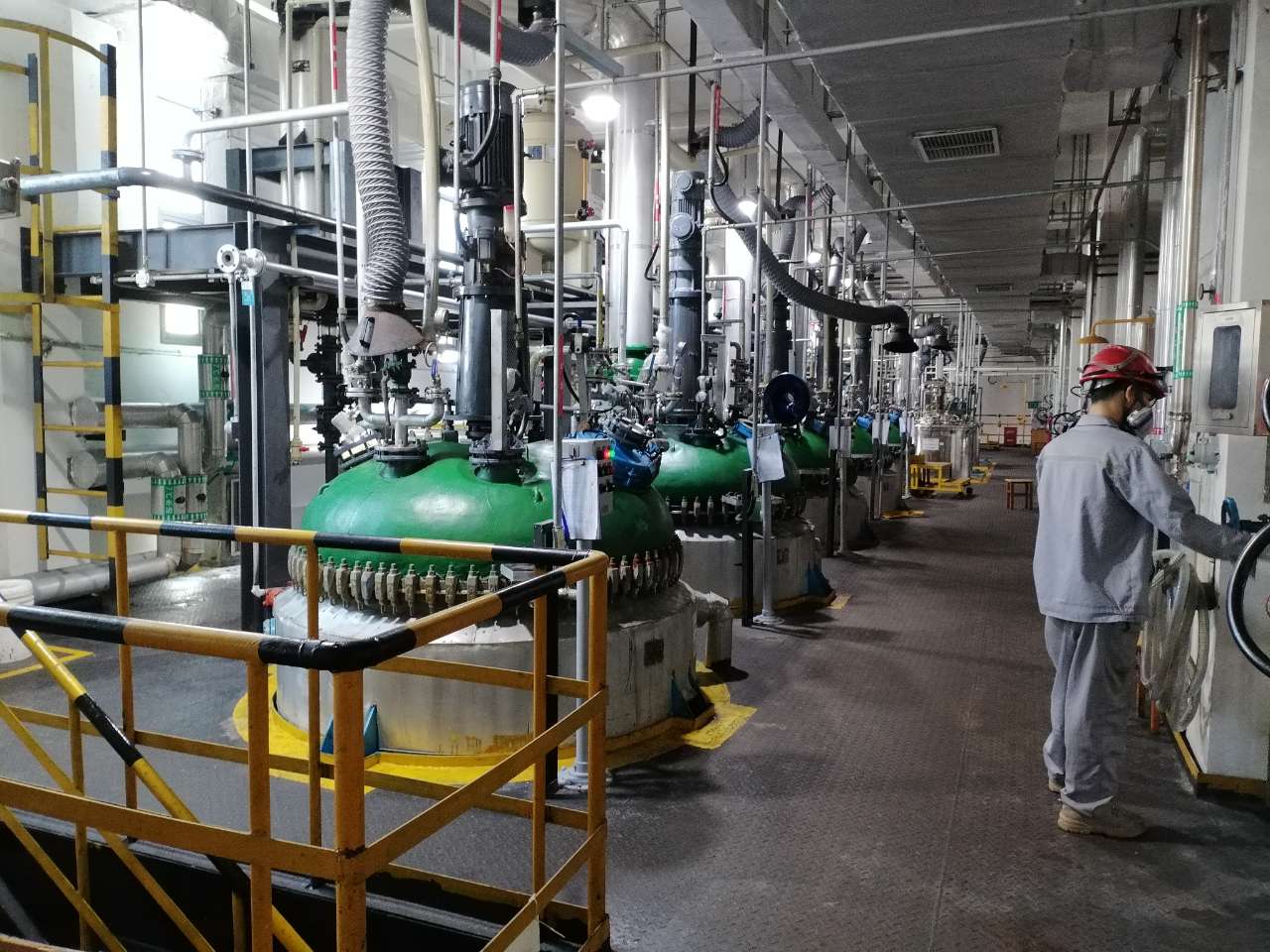
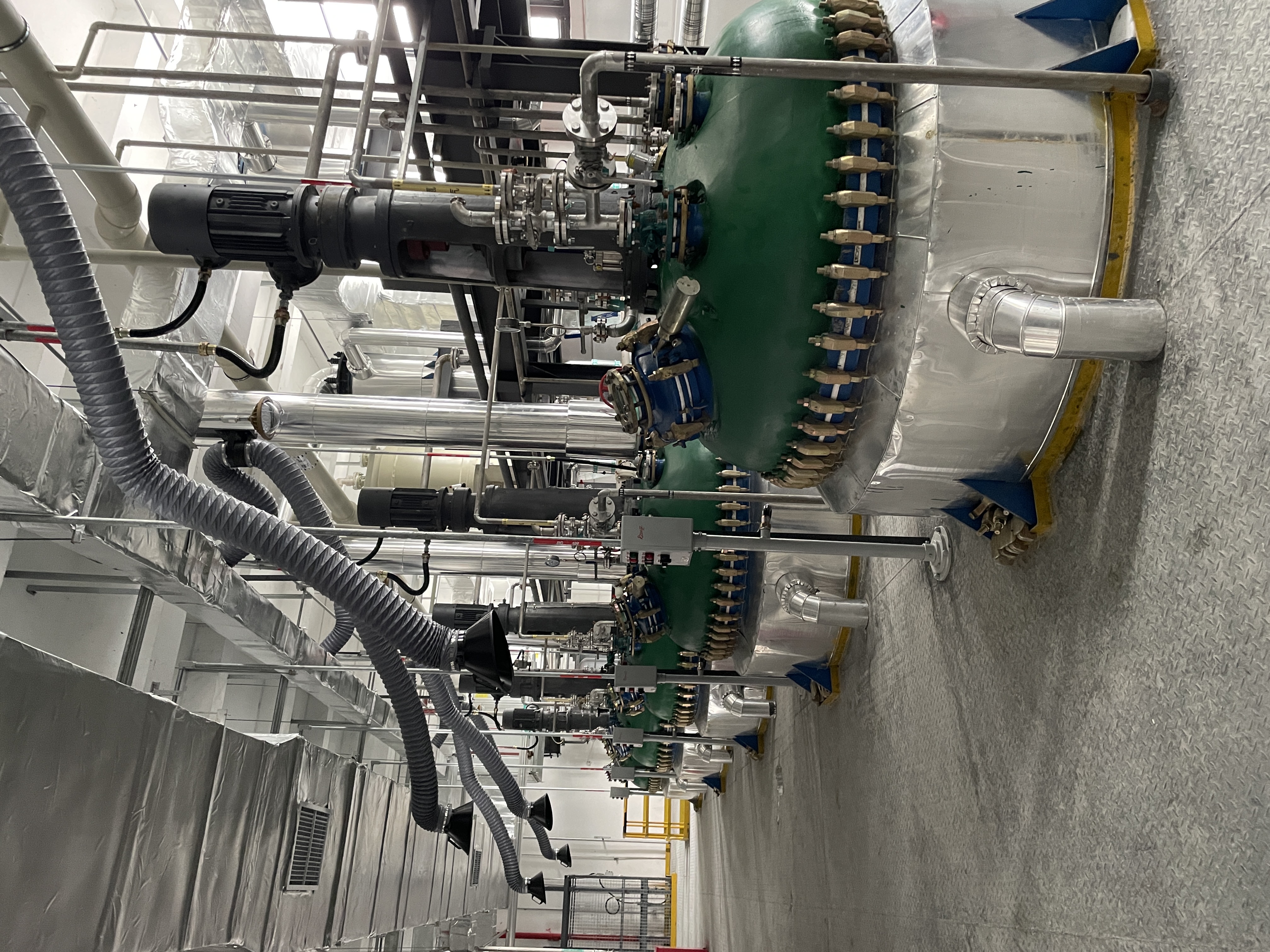
These facilities are supported by standardized production planning, modern manufacturing equipment, and a quality management system covering the production process from incoming raw materials to finished product delivery.
This approach helps maintain production consistency and supports the company's long-term product development.
Research and Application Evaluation
Technological development is an important part of the company's business strategy.
Lida has established a dual-center technical structure. Its Songjiang R&D Center in Shanghai focuses on new product development and technical improvements, while the Yangzhou Quality Testing and Application Evaluation Center provides quality assessment and application-related support.
The two centers connect research activities with practical product evaluation, helping the company respond to changing customer requirements.
Integrated Customer Support
The company also operates Manufacturing, Marketing, and Supply Chain Service Centers to coordinate production, market communication, and customer support.
For manufacturers considering Super Dispersant LD-1800, discussing the intended pigment types, resin composition, solvent system, dosage requirements, and production process with the supplier can help establish an appropriate starting point for formulation trials.
11. Conclusion: Improving Formulation Control Through Dispersant Selection
Pigment dispersion is a fundamental consideration in solvent-based coating manufacturing. It affects not only the visual appearance of the finished paint but also grinding efficiency, color consistency, and formulation stability.
A polymer dispersant with 100% active substance content, such as LD-1800, provides a defined basis for dosage calculations and offers suggested addition ranges for organic pigments, inorganic pigments, titanium dioxide, and inorganic fillers.
Its application scope also extends to automotive coatings, industrial paints, architectural finishes, offset and gravure printing inks, and color masterbatch production.
However, the best results depend on selecting a suitable dosage, following the recommended pre-dissolution procedure, and verifying compatibility with the complete formulation.
With its experience in chemical additives, manufacturing infrastructure, and dedicated R&D and application evaluation centers, Yangzhou Lida Resin Co., Ltd. provides a range of additive solutions for industrial customers.
For manufacturers exploring Super Dispersant LD-1800, formulation-specific testing remains essential for confirming performance and establishing suitable production parameters.
www.yzlida.com
Yangzhou Lida Resin Co., Ltd.