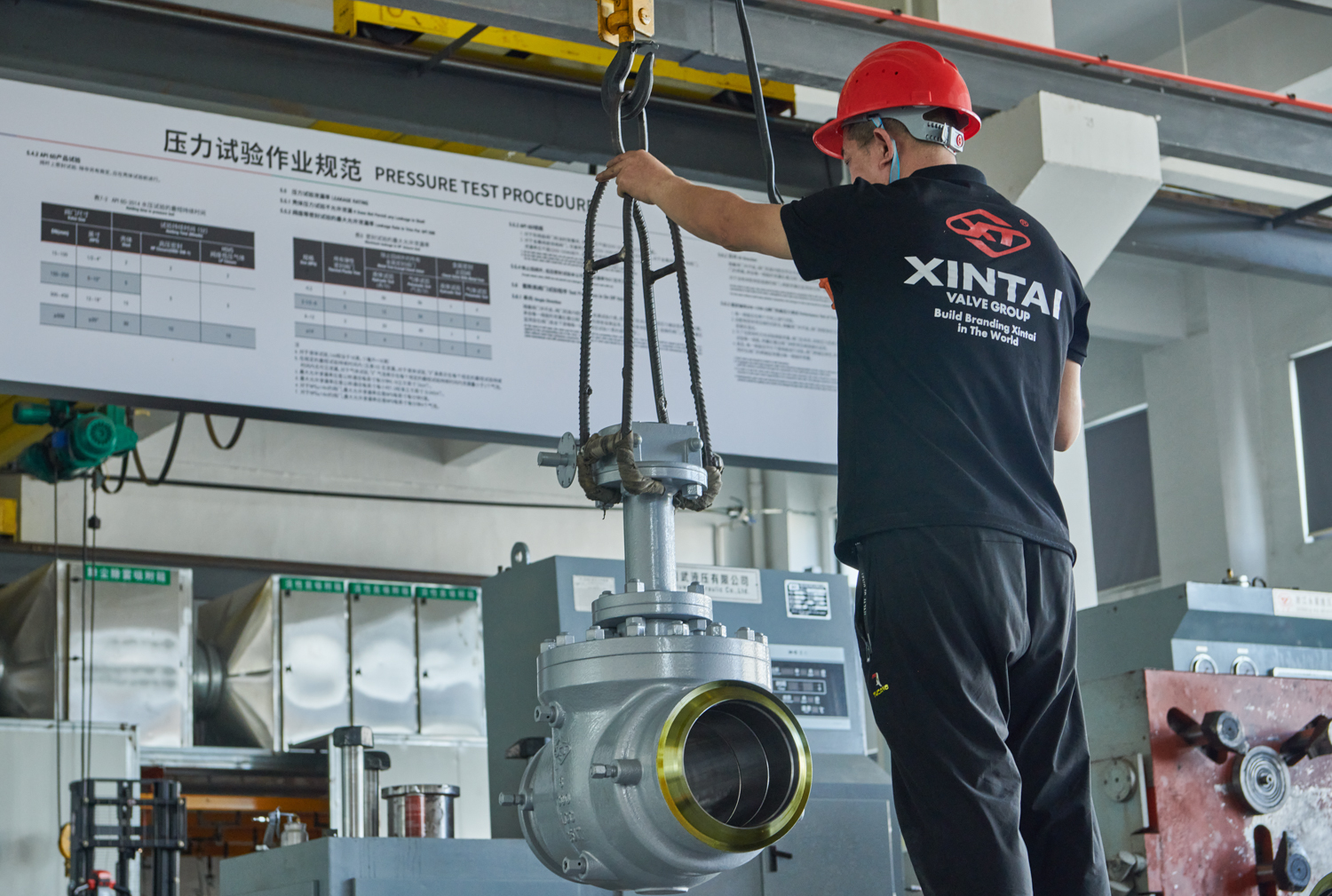
In industrial piping systems, selecting the right valve connection type is just as important as choosing the valve material, pressure rating, and operating design. Among various valve options, stainless steel globe valves are widely used for precise flow regulation, shut-off operations, and applications requiring reliable performance under demanding conditions.
When choosing a stainless steel globe valve, engineers and procurement teams often need to decide between two common connection designs: flanged stainless steel globe valves and threaded stainless steel globe valves. Both types offer excellent corrosion resistance and dependable flow control, but they are designed for different installation environments, pressure requirements, and maintenance expectations.
Understanding the differences between these two connection methods can help buyers select the most suitable valve for their piping systems, reduce installation costs, and improve long-term operational reliability.
Understanding Stainless Steel Globe Valve Connection Types
A globe valve controls fluid flow through a movable plug or disc that moves perpendicular to the flow path. Compared with other valve types, such as gate valves or butterfly valves, globe valves provide better throttling performance and more accurate flow adjustment.
The connection method determines how the valve is installed into the pipeline. The two most common options are:
-
Flanged stainless steel globe valves
-
Threaded stainless steel globe valves
The main difference is how the valve connects with the piping system.
A flanged valve uses bolted flange connections with gaskets to create a secure seal between the valve and the pipeline. A threaded valve uses internal or external threads that screw directly into compatible pipe fittings.
The correct choice depends on factors such as pipe size, pressure rating, operating conditions, installation space, maintenance requirements, and industry standards.
What Is a Flanged Stainless Steel Globe Valve?
A flanged stainless steel globe valve is designed with flange ends that connect to matching pipe flanges using bolts and sealing gaskets. This design is commonly used in medium to large industrial piping systems where reliability and easy maintenance are important.
Flanged connections provide a strong mechanical joint and are suitable for applications involving higher pressure, larger pipe diameters, or frequent maintenance operations.
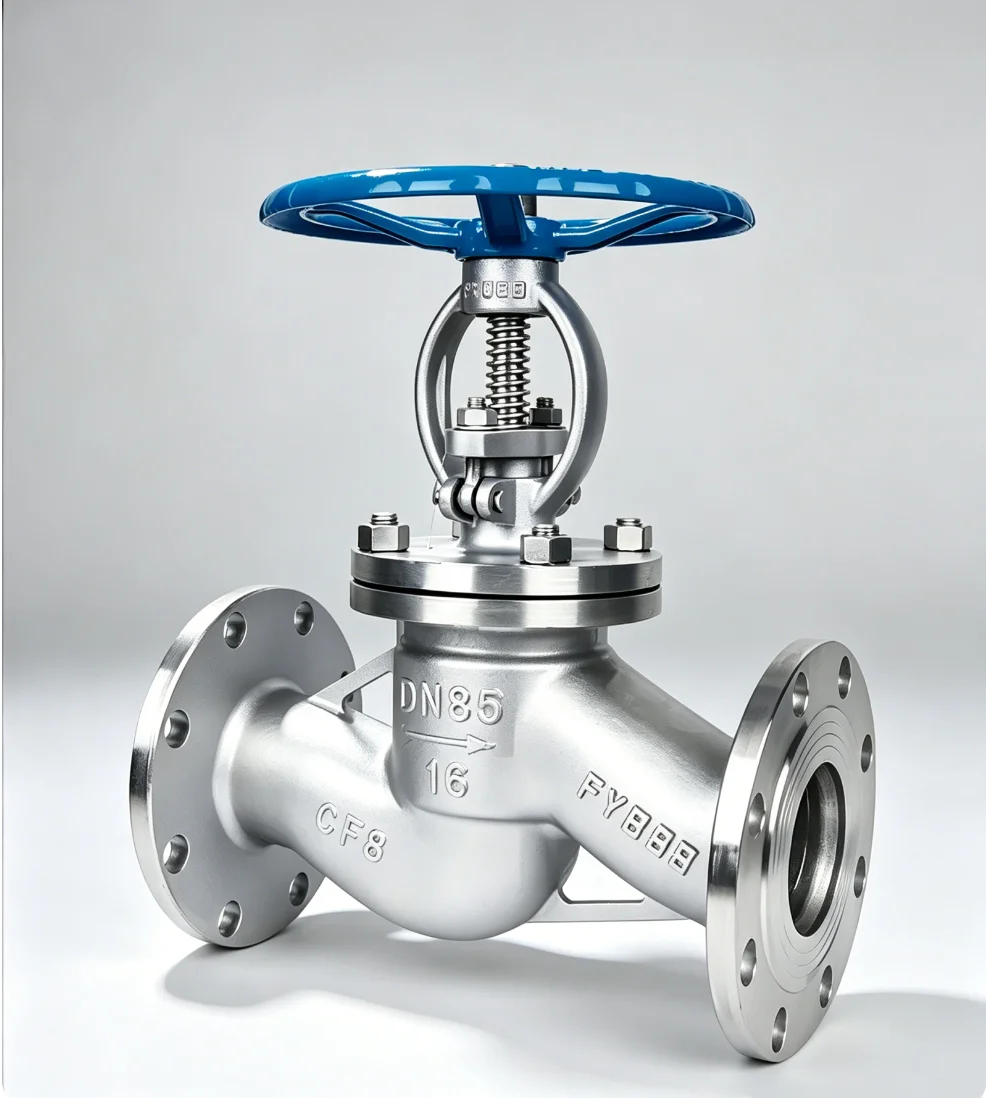
Typical features of flanged stainless steel globe valves include:
-
Strong and stable connection structure
-
Easy installation and removal
-
Suitable for high-pressure applications
-
Available in various flange standards such as ANSI, DIN, JIS, and BS
-
Compatible with industrial piping systems
Because stainless steel offers excellent resistance to corrosion, flanged stainless steel globe valves are commonly used in industries such as chemical processing, oil and gas, marine systems, power generation, food processing, and water treatment.
What Is a Threaded Stainless Steel Globe Valve?
A threaded stainless steel globe valve uses threaded ends that connect directly with threaded pipes or fittings. This design is usually preferred for smaller piping systems where compact size, simple installation, and cost efficiency are important.
Threaded connections are often found in applications with smaller pipe diameters, lower pressure requirements, or limited installation space.
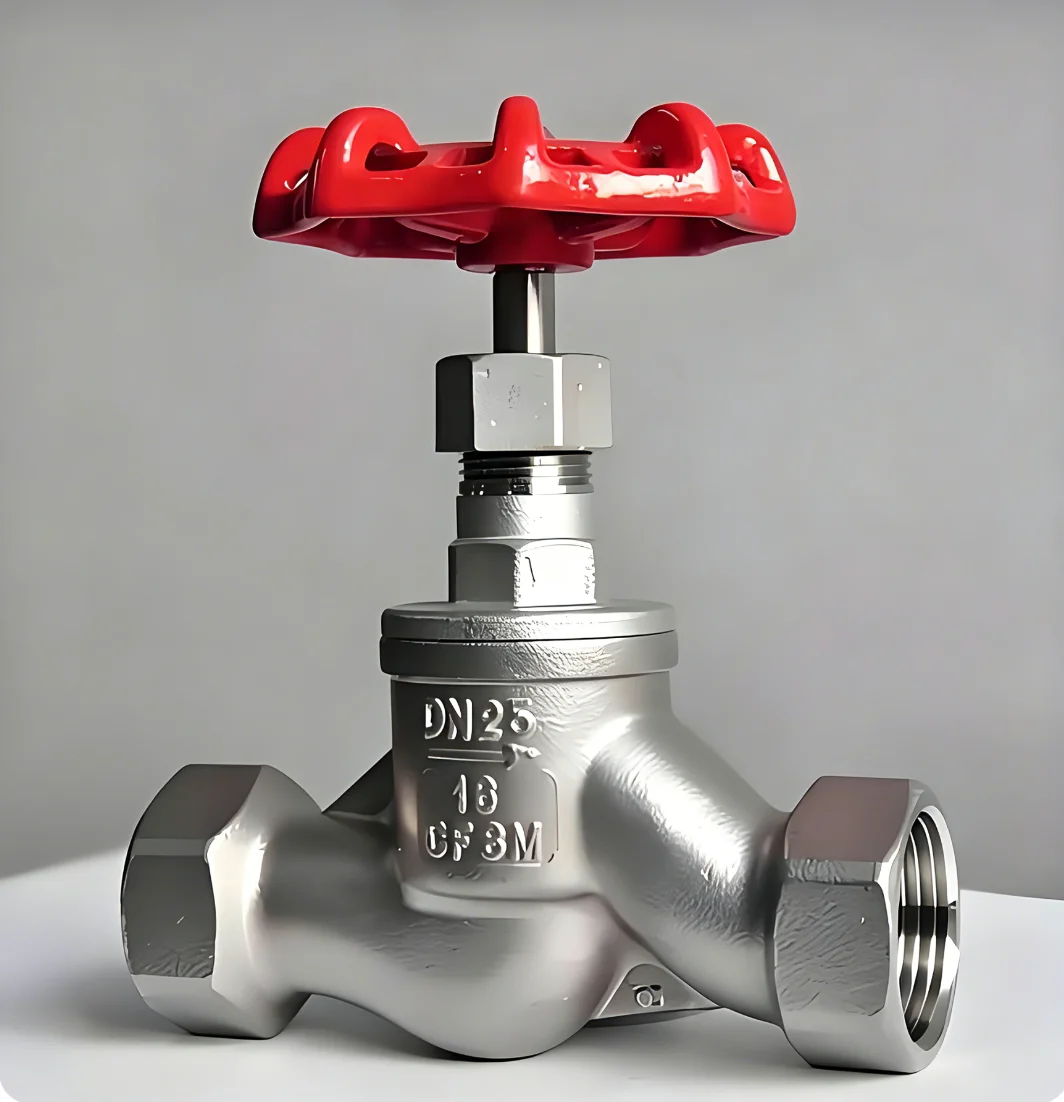
Advantages of threaded stainless steel globe valves include:
-
Compact structure
-
Lower installation cost
-
Simple connection method
-
Suitable for small piping systems
-
Easy installation without welding equipment
Threaded stainless steel globe valves are commonly used in equipment lines, instrumentation systems, HVAC applications, laboratory systems, and small industrial pipelines.
However, threaded connections may not be the best choice for extremely high-pressure systems or large-diameter pipelines because the connection strength is generally lower compared with flanged designs.
Flanged vs Threaded Stainless Steel Globe Valves: Key Differences
When comparing flanged and threaded stainless steel globe valves, buyers should consider several important factors.
1. Installation Method
The installation process is one of the biggest differences between these two valve types.
Flanged stainless steel globe valves require:
-
Matching pipe flanges
-
Bolts and nuts
-
Proper gasket installation
-
Accurate flange alignment
Although the installation process may require more components, flange connections provide excellent stability.
Threaded stainless steel globe valves are easier to install because they can be screwed directly into threaded pipes or fittings. They require fewer components and less installation time.
For small systems where quick installation is needed, threaded valves can be a practical choice. For larger industrial systems, flanged valves usually provide better long-term performance.
2. Pressure and Temperature Requirements
Operating pressure and temperature are critical factors when selecting a stainless steel globe valve.
Flanged globe valves are generally preferred for higher-pressure applications because the bolted flange connection provides greater mechanical strength and sealing reliability.
They are often used in:
-
Steam systems
-
High-pressure process pipelines
-
Chemical plants
-
Power generation facilities
-
Oil and gas equipment
Threaded globe valves are more suitable for low to medium-pressure applications, including:
-
Instrumentation pipelines
-
Water systems
-
Air systems
-
Small process equipment
Before purchasing, engineers should always check the valve pressure rating, temperature range, and applicable standards.
3. Pipeline Size Considerations
Pipeline size is another important factor.
Threaded stainless steel globe valves are typically used for smaller pipe sizes because threaded connections become less practical as pipe diameter increases.
For larger pipelines, flanged stainless steel globe valves are usually the preferred option because:
-
They provide stronger connections
-
They are easier to install on large pipes
-
They simplify maintenance and replacement
For industrial projects involving large-scale piping systems, flanged connections offer better flexibility and reliability.
4. Maintenance and Replacement Requirements
Maintenance is an important consideration during valve selection.
Flanged stainless steel globe valves are easier to remove and replace because the connection can be separated by simply removing bolts. This makes them ideal for systems where regular inspection or maintenance is required.
For example, in chemical processing plants or power facilities, valves may need periodic servicing due to continuous operation under demanding conditions.
Threaded globe valves can be more difficult to remove after long-term operation because corrosion, thread damage, or accumulated deposits may make disassembly challenging.
Therefore, systems requiring frequent maintenance often benefit from flanged valve designs.
5. Space and Installation Limitations
Installation space can influence the choice between flanged and threaded valves.
Threaded stainless steel globe valves have a more compact design and require less installation space. They are suitable for equipment rooms, compact machinery, and systems where space is limited.
Flanged valves require additional space for:
-
Flanges
-
Bolts
-
Maintenance access
Although they require more installation room, they provide better structural support for demanding industrial applications.
6. Cost Considerations
Cost is another factor buyers need to evaluate.
Threaded stainless steel globe valves usually have lower initial costs because they require fewer components and simpler installation.
However, the total cost should include:
-
Installation expenses
-
Maintenance requirements
-
Replacement frequency
-
System downtime risks
Flanged valves may have a higher initial investment, but their durability and easier maintenance can provide better long-term value in critical applications.
Applications of Flanged Stainless Steel Globe Valves
Flanged stainless steel globe valves are commonly selected for industrial applications requiring strong performance and reliable sealing.
Typical applications include:
Oil and Gas Systems
Oil and gas pipelines often operate under high pressure and challenging environmental conditions. Flanged stainless steel globe valves provide reliable control and corrosion resistance for these demanding systems.
Chemical Processing
Chemical plants handle aggressive fluids that may damage ordinary materials. Stainless steel construction combined with flanged connections helps ensure safe and stable operation.
Power Generation
Steam and cooling systems in power plants require valves capable of handling high temperatures and pressures. Flanged globe valves are commonly used due to their strength and durability.
Marine Applications
Marine environments expose equipment to saltwater corrosion. Stainless steel globe valves with robust flange connections are widely used in shipbuilding and offshore systems.
Applications of Threaded Stainless Steel Globe Valves
Threaded stainless steel globe valves are ideal for smaller systems where simplicity and flexibility are priorities.
Common applications include:
HVAC Systems
Heating, ventilation, and air conditioning systems often use threaded valves for smaller pipelines and equipment connections.
Instrumentation Systems
Control and measurement equipment frequently uses compact threaded valves because they are easy to install in limited spaces.
Water Treatment Equipment
Small water treatment systems benefit from threaded stainless steel globe valves due to their simple installation and corrosion resistance.
Laboratory and Industrial Equipment
Equipment manufacturers often choose threaded valves for compact process systems where space and cost efficiency matter.
How to Select the Right Stainless Steel Globe Valve for Your Project
When choosing between flanged and threaded stainless steel globe valves, consider the following questions:
What Is the Pipe Size?
For small pipes, threaded connections may be sufficient. For larger pipelines, flanged connections are usually more suitable.
What Is the Operating Pressure?
High-pressure systems generally require flanged valves for improved strength and safety.
How Often Will the Valve Require Maintenance?
If frequent replacement or inspection is expected, flanged valves offer easier access.
What Type of Fluid Is Being Controlled?
For corrosive fluids, chemical media, steam, or high-temperature applications, selecting a high-quality stainless steel globe valve with the correct connection type is essential.
What Are the Industry Standards?
Different industries may require compliance with specific standards, including ANSI, API, DIN, or JIS requirements. Buyers should confirm specifications before ordering.
Why Choosing the Right Supplier Matters
Regardless of whether you select a flanged or threaded stainless steel globe valve, supplier quality plays a key role in system performance.
A reliable valve manufacturer should provide:
-
High-quality stainless steel materials
-
Accurate machining and manufacturing processes
-
Pressure testing reports
-
Compliance with international standards
-
Customized valve solutions when required
Working with an experienced stainless steel globe valve supplier helps ensure that the valve matches your application requirements and delivers reliable performance throughout its service life.
Conclusion
Choosing between flanged and threaded stainless steel globe valves depends on your specific application requirements, including pipeline size, pressure rating, installation environment, maintenance needs, and budget considerations.
Flanged stainless steel globe valves are generally the better choice for large industrial systems, high-pressure applications, and projects requiring frequent maintenance. Threaded stainless steel globe valves are more suitable for smaller pipelines, compact installations, and applications where simple installation is preferred.
By carefully evaluating operating conditions and selecting the appropriate connection type, engineers and buyers can improve system reliability, reduce maintenance costs, and achieve better long-term performance from their stainless steel globe valves.
www.ainoxvalves.com
ainoxvalves