Choosing the right manufacturer is one of the most important decisions when purchasing a marine isolation transformer. In marine electrical systems, a transformer is not simply a device for changing voltage. It can influence electrical safety, equipment protection, power quality, corrosion control, system reliability, and the overall performance of onboard or offshore power networks.
The challenge is that many suppliers may describe their products as “marine transformers,” while their actual manufacturing capabilities, marine certifications, engineering experience, and quality-control systems can be very different. A lower purchase price may look attractive at first, but inadequate environmental protection, poor insulation, insufficient testing, or limited customization capabilities can create much higher costs later.
For shipyards, vessel owners, marine electrical contractors, offshore engineering companies, and system integrators, evaluating a manufacturer systematically is therefore essential.
This guide explains the key factors to consider when selecting a marine isolation transformer manufacturer, from technical capabilities and certifications to production quality, customization, testing, and after-sales support.
1. Start with the Manufacturer's Marine Transformer Experience
The first question should not simply be “How long has this company been manufacturing transformers?” A company may have decades of experience in conventional industrial transformers but limited experience with marine electrical applications.
Marine environments create requirements that are different from those of ordinary land-based installations. Transformers may be exposed to:
-
High humidity
-
Salt spray
-
Corrosive atmospheres
-
Continuous vibration
-
Mechanical shock
-
Temperature fluctuations
-
Limited installation space
-
Restricted ventilation
-
Vessel movement and inclination
A qualified marine isolation transformer manufacturer should understand these conditions and incorporate them into product design and manufacturing.
Ask potential suppliers how many years they have been producing marine transformers and whether they have supplied equipment for commercial vessels, offshore platforms, workboats, research vessels, ferries, yachts, or other marine projects.
More importantly, request evidence of previous projects.
A manufacturer that can provide project references, application examples, technical documentation, and photographs of actual marine installations generally provides stronger evidence of practical experience than a supplier that only presents generic product descriptions.
2. Understand What Makes a Marine Isolation Transformer Different
Before comparing manufacturers, buyers should understand the function of the equipment being purchased.
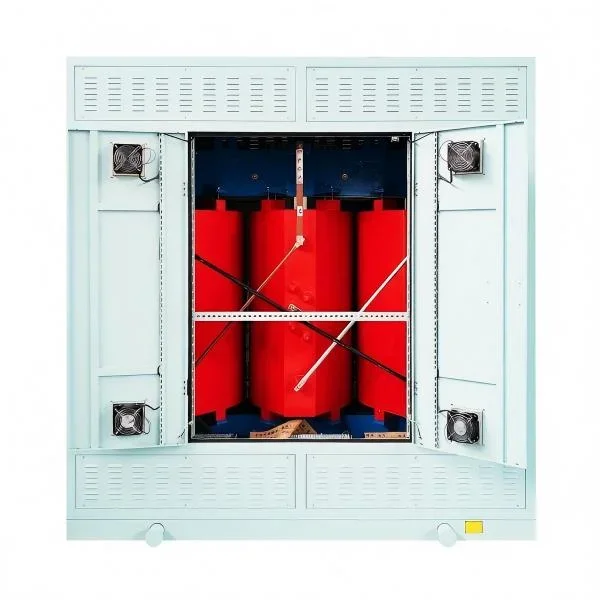
A marine isolation transformer uses separate primary and secondary windings to provide galvanic isolation between two electrical circuits. This separation can help reduce unwanted electrical connections and improve the safety and stability of the power distribution system.
In marine applications, isolation transformers can be used in systems involving shore power, onboard distribution, sensitive electrical equipment, auxiliary systems, and other applications where electrical isolation is important.
However, isolation capability alone does not make a transformer suitable for marine use.
A proper marine transformer needs to be designed for the environmental and operational conditions of the vessel or offshore installation.
For example, the manufacturer should consider:
-
Rated capacity
-
Primary and secondary voltage
-
Frequency
-
Insulation system
-
Cooling method
-
Protection rating
-
Ambient temperature
-
Humidity
-
Salt-fog resistance
-
Vibration resistance
-
Mechanical reinforcement
-
Installation orientation
-
Space limitations
This is why buyers should evaluate the engineering capability behind the transformer, rather than comparing products solely by kVA rating and price.
3. Check Marine Certifications and Applicable Standards
Certification is one of the most important criteria when evaluating a marine transformer supplier.
Depending on the vessel type, project location, classification requirements, and flag-state regulations, marine electrical equipment may need to meet requirements from recognized classification societies and relevant technical standards.
When evaluating a manufacturer, ask which marine certifications and standards its products can comply with.
Depending on the product and project, these may include requirements from organizations such as:
-
DNV
-
ABS
-
BV
-
CCS
-
LR
-
RINA
-
RS
Relevant transformer standards may also include IEC standards and applicable marine or shipbuilding specifications.
However, buyers should avoid accepting general statements such as “our products are certified” without documentation.
Ask the manufacturer to provide:
-
Certification documents
-
Product approval information
-
Applicable standards
-
Test reports
-
Certificate scope
-
Validity information where applicable
It is also important to confirm whether a certification applies to the specific transformer series being purchased rather than to another unrelated product.
A professional marine isolation transformer supplier should be able to explain exactly how its products meet the requirements of the intended marine project.
4. Evaluate the Design for Marine Environmental Conditions
A transformer installed on land may operate in a relatively stable environment. A transformer installed aboard a vessel has to cope with a much more demanding operating environment.
This makes environmental design an essential part of manufacturer evaluation.
Humidity and Moisture Resistance
High humidity can accelerate insulation degradation and corrosion of metallic components. The manufacturer should therefore have appropriate insulation, enclosure, sealing, and surface-treatment methods.
Salt-Fog and Corrosion Protection
Marine air contains salt particles that can contribute to corrosion. Enclosures, fasteners, terminals, and other exposed components may require suitable corrosion-resistant materials or protective coatings.
Vibration and Shock Resistance
Ships experience continuous vibration from engines, pumps, propulsion systems, and other equipment. Mechanical structures should be designed to withstand these conditions.
A reliable manufacturer should be able to explain how the transformer structure, winding system, core assembly, and internal components are reinforced for marine operation.
Temperature Range
The manufacturer should also provide a clear operating temperature range and explain how thermal performance is maintained under the expected environmental conditions.
These details can distinguish a genuine marine transformer manufacturer from a conventional transformer supplier simply adapting an industrial product for marine applications.
5. Examine the Technical Specifications in Detail
Do not compare manufacturers using rated capacity alone.
Two transformers with the same 500 kVA rating can have significantly different designs, insulation systems, dimensions, cooling methods, efficiency, noise levels, and environmental capabilities.
When evaluating a supplier, request a complete technical datasheet covering at least the following:
Rated Capacity
Determine whether the manufacturer can provide the required kVA range and whether it has experience producing both standard and customized ratings.
Primary and Secondary Voltage
Confirm the exact input and output voltages required by the vessel's electrical system.
Frequency
Marine systems may use different frequency configurations depending on the vessel and application. Make sure the transformer is designed for the required frequency.
Insulation Class
Insulation performance directly affects transformer reliability and service life. Ask about insulation materials, temperature class, dielectric strength, and insulation testing.
Cooling Method
Depending on the rating and installation environment, different cooling configurations may be available. The manufacturer should recommend an appropriate cooling solution rather than simply offering a standard configuration.
Enclosure and Protection
The enclosure needs to match the installation environment. A suitable IP rating can help protect internal components from dust, moisture, and water ingress.
Dimensions and Weight
Space is often limited on ships. A compact transformer may be preferable, but compact design must not compromise thermal performance or serviceability.
6. Ask About Customization Capability
Marine projects are rarely identical.
A transformer intended for a large cargo vessel may have completely different requirements from one designed for an offshore platform, research vessel, ferry, or yacht.
This means customization capability is an important factor when selecting a manufacturer.
A capable marine isolation transformer manufacturer should be able to customize parameters such as:
-
Rated capacity
-
Input voltage
-
Output voltage
-
Frequency
-
Phase configuration
-
Connection group
-
Enclosure
-
Protection rating
-
Cooling method
-
Cable entry
-
Terminal configuration
-
Mounting arrangement
-
Dimensions
-
Marine coating
-
Special environmental protection
Customization should not mean simply changing the nameplate.
The manufacturer should have engineers capable of evaluating whether the requested specifications work together safely and efficiently.
For example, changing voltage, capacity, enclosure dimensions, and cooling conditions simultaneously can affect thermal performance and insulation requirements. Professional engineering support is therefore essential.
7. Investigate the Manufacturing Process
The manufacturing process provides important clues about the quality of the final transformer.
A reliable manufacturer should have controlled processes for:
-
Core manufacturing
-
Winding
-
Insulation
-
Assembly
-
Vacuum or resin processing where applicable
-
Drying
-
Mechanical reinforcement
-
Enclosure manufacturing
-
Surface treatment
-
Final assembly
Ask whether key processes are performed internally or outsourced.
Outsourcing is not necessarily a problem, but excessive dependence on uncontrolled third-party processes can make quality consistency more difficult.
The manufacturer should also have documented production procedures and quality-control checkpoints.
For a marine electrical transformer, small manufacturing defects can become significant reliability problems after installation because repairing electrical equipment at sea can be expensive and difficult.
8. Review the Testing and Quality-Control System
A professional manufacturer should conduct systematic testing before shipment.
Depending on transformer design and project requirements, testing may include:
-
Winding resistance testing
-
Voltage ratio testing
-
Polarity and phase relationship testing
-
No-load loss testing
-
Load loss testing
-
Insulation resistance testing
-
Dielectric strength testing
-
Temperature-rise testing
-
Partial discharge testing where applicable
-
Noise testing
-
Environmental testing
-
Mechanical or vibration-related testing
For marine applications, environmental and mechanical performance can be particularly important.
When evaluating suppliers, ask for sample factory test reports from comparable products.
The quality of a test report can tell you a lot about a manufacturer's professionalism. A detailed report should identify the product, specifications, test methods, measured values, acceptance criteria, and test results.
A supplier that cannot clearly explain how its transformers are tested deserves additional scrutiny.
9. Evaluate Factory Production Capacity
Production capacity becomes particularly important for shipbuilding projects involving multiple vessels or large quantities of equipment.
A manufacturer should have sufficient:
-
Production space
-
Transformer assembly equipment
-
Winding equipment
-
Testing facilities
-
Skilled technical personnel
-
Quality-control staff
-
Production planning capability
Do not interpret production capacity as simply “how large is the factory?”
A better question is whether the manufacturer can consistently deliver products that meet the same technical specifications and quality requirements across multiple production batches.
For large projects, ask about:
-
Monthly production capacity
-
Typical lead times
-
Raw material management
-
Batch production controls
-
Inspection procedures
-
Delivery planning
A strong marine transformer supplier should be able to coordinate production schedules with shipyard or project timelines.
Conclusion: Choose an Engineering Partner, Not Just a Transformer Vendor
Evaluating a marine transformer manufacturer requires more than comparing product prices or browsing a product catalog.
A reliable supplier should demonstrate a combination of marine application experience, engineering capability, certification compliance, manufacturing quality, environmental protection, testing capability, customization, production capacity, and long-term technical support.
For buyers searching for a marine isolation transformer manufacturer, the most important question is ultimately not “Who can offer the lowest quotation?” but:
“Which manufacturer can reliably deliver a transformer that meets our electrical, environmental, classification, installation, and long-term operational requirements?”
A manufacturer that can provide detailed technical documentation, proven marine project experience, comprehensive testing, appropriate certifications, and responsive engineering support is usually a much safer choice for critical marine applications.
For shipyards, offshore engineering companies, marine electrical contractors, and vessel owners, taking the time to evaluate these factors before purchasing can reduce technical risks, prevent costly modifications, and improve the long-term reliability of the vessel's electrical system.
In a demanding marine environment, the right marine isolation transformer is not simply a component—it is part of the vessel's electrical reliability strategy. Choosing a manufacturer with genuine marine expertise can therefore make a significant difference from initial system design through installation, commissioning, and years of operation.
www.huaxingtrans.com
huaxingtrans