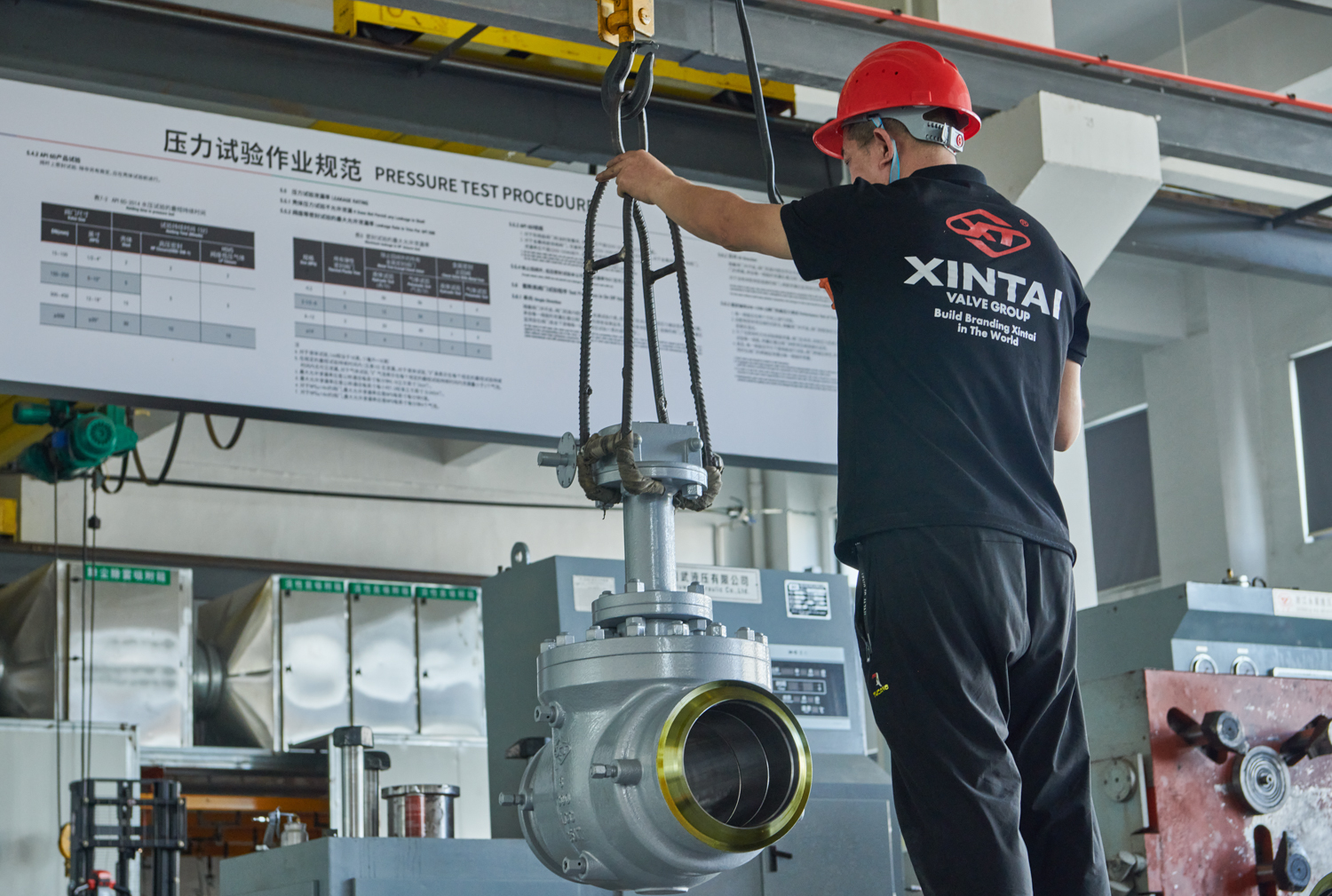
As industrial facilities continue to pursue higher levels of automation, valve actuation systems are becoming increasingly important in ensuring process stability and operational safety. In industries such as oil & gas, petrochemicals, LNG, power generation, and water treatment, valves are often required to operate under high pressure, large diameters, and harsh environmental conditions. Under these circumstances, the pneumatic scotch yoke actuator has become one of the most reliable and widely adopted solutions thanks to its exceptional torque output and rugged mechanical design.
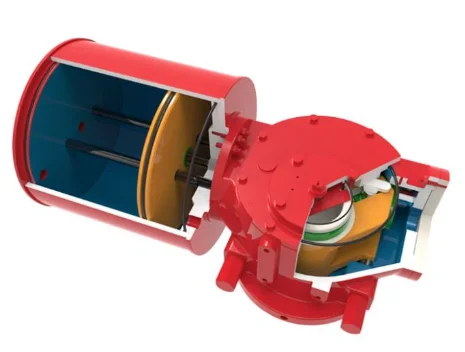
Unlike rack and pinion actuators, which provide relatively linear torque output, a pneumatic scotch yoke actuator generates variable torque that closely matches the torque requirements of quarter-turn valves. This characteristic makes it particularly suitable for ball valves and butterfly valves that require high breakaway torque at the beginning of operation and lower torque during mid-stroke movement.
Understanding the Scotch Yoke Mechanism
The core of a pneumatic scotch yoke actuator lies in its mechanical transmission structure. Compressed air drives the piston inside the cylinder, and the piston motion is converted into rotational movement through a yoke and sliding pin assembly.
This mechanism creates a non-linear torque curve. The actuator delivers maximum torque at the beginning and end of the stroke while reducing torque in the middle position. For quarter-turn valves, this torque distribution is ideal because valve seats usually require the highest force during opening and closing.
Compared with gear-driven or rack-and-pinion actuators, the scotch yoke design offers several inherent advantages. It achieves higher torque output within the same actuator envelope, reduces internal stress concentration, and allows better optimization of air consumption.
For applications requiring large valve automation, this design often becomes the most economical solution from both performance and lifecycle perspectives.
Why High Torque Matters
Valve torque requirements are not constant throughout the stroke.
For example, a large-diameter trunnion-mounted ball valve in a gas transmission pipeline may require two to three times more torque to initiate movement than to maintain rotation. A conventional actuator with constant torque output may need to be oversized to handle this peak requirement.
A pneumatic scotch yoke actuator solves this problem naturally.
Its torque curve peaks precisely where the valve requires maximum force. This enables users to select smaller actuators while maintaining operational reliability.
The benefits are substantial:
Smaller air consumption.
Reduced actuator dimensions.
Lower system weight.
Reduced installation space.
Lower total ownership costs.
For large process plants with hundreds of automated valves, these savings become highly significant over the equipment lifecycle.
Durability Under Harsh Industrial Conditions
Industrial environments place severe demands on valve actuators.
Outdoor installations may experience temperatures from -40°C to 80°C. Offshore facilities are exposed to salt spray and humidity. Chemical plants introduce corrosive atmospheres and continuous operation requirements.
A pneumatic scotch yoke actuator designed for these environments must prioritize durability.
Critical design features often include:
High-strength alloy steel yoke mechanisms.
Hard chrome plated cylinder surfaces.
Corrosion-resistant coatings.
Stainless steel fasteners.
Low-friction bearings and sliding blocks.
Multi-layer sealing systems.
These features reduce wear, improve corrosion resistance, and extend maintenance intervals.
Modern designs also employ finite element analysis to optimize stress distribution within the yoke and piston assembly, ensuring long-term mechanical stability even under millions of operating cycles.
Fail-Safe Capability Improves Process Safety
Safety is one of the most important reasons for choosing pneumatic actuators.
In emergency situations such as power outages or process failures, valves often need to move automatically to a predefined safe position.
Spring-return pneumatic scotch yoke actuators provide this capability.
Stored spring energy drives the actuator to fail-open or fail-close positions when air supply is interrupted. This feature is critical for emergency shutdown systems, fire protection systems, and hazardous process control.
Double-acting configurations are also available for applications where compressed air is continuously available and higher operating speed is required.
The flexibility of actuator configurations allows users to adapt the system to different process safety requirements without changing the fundamental mechanical architecture.
Intelligent Valve Automation Is Becoming Standard
Industrial automation is rapidly evolving toward digitalization and predictive maintenance.
Today, pneumatic scotch yoke actuators are increasingly integrated with:
Solenoid valves.
Limit switch boxes.
Valve position transmitters.
Electro-pneumatic positioners.
Smart diagnostic modules.
Remote monitoring systems.
These accessories enable real-time feedback of valve position, operating cycles, and actuator health.
Maintenance teams can identify abnormal behavior before failure occurs, reducing unplanned downtime and improving plant availability.
Digital valve automation is particularly valuable in remote facilities such as pipelines, offshore platforms, and chemical storage terminals where manual inspection is costly and time-consuming.
Maikailun's Expertise in Pneumatic Valve Automation
Zhejiang Maikailun Automatic Control Valve Co., Ltd. has established itself as a trusted manufacturer of pneumatic actuators and valve automation solutions.
Its product portfolio covers a wide range of actuator technologies, including stainless steel pneumatic actuators, rack and pinion actuators, P-series pneumatic scotch yoke actuators, and hydraulic linear actuators.
The company's pneumatic scotch yoke actuators cover diameters from φ32 mm to φ400 mm and torque outputs ranging from 5 Nm to 50,000 Nm, enabling them to support applications from small process valves to large industrial flow control systems.
In addition to actuators, Maikailun provides complete automation packages including manual overrides, limit switch boxes, solenoid valves, filter regulators, and valve position feedback devices. This integrated approach simplifies system design and improves compatibility across the entire valve automation system.
Conclusion
The pneumatic scotch yoke actuator is more than a valve accessory. It is a high-performance power transmission system engineered to meet the demanding requirements of modern industrial automation.
Its variable torque characteristics align naturally with quarter-turn valve behavior, allowing higher efficiency, lower air consumption, and more compact designs. Combined with excellent durability, fail-safe capability, and intelligent automation features, it has become the preferred choice for high-torque valve applications across numerous industries.
As industrial facilities continue to demand safer, smarter, and more efficient operations, pneumatic scotch yoke actuators will remain a cornerstone technology in the future of valve automation.
www.maikailunvalve.com
Zhejiang Maikailun Automatic Control Valve Co . , Ltd