https://www.ligentsensor.com/industry/Applications-of-Static-Torque-Sensors.html
https://www.ligentsensor.com/Static-Torque-Sensor/
In modern industrial manufacturing and testing, accurate torque measurement plays an important role in ensuring product quality, improving equipment performance, and maintaining reliable operation. A static torque sensor is a precision measurement device designed to measure torque applied to a stationary or non-rotating object. Thanks to its high accuracy, stable performance, and reliable signal output, it is widely used in industrial testing, calibration systems, and quality inspection.
Unlike dynamic torque sensors that are designed for rotating shafts, static torque sensors are ideal for measuring reaction torque, assembly torque, and mechanical torque loads in various testing environments.
What Is a Static Torque Sensor?
A static torque sensor measures torque without continuous rotation. When torque is applied, the elastic element inside the sensor undergoes a very small deformation. Strain gauges detect this deformation and convert it into an electrical signal, allowing the system to calculate the applied torque accurately.
Its basic working process includes:
-
External torque generates elastic deformation
-
Strain gauges detect resistance changes
-
Signal processing converts mechanical changes into electrical signals
-
The measurement system displays accurate torque values
Because of their stable structure and precise measurement capability, static torque sensors are widely integrated into torque testing equipment, industrial inspection systems, and calibration platforms.
Why Is Static Torque Measurement Important?
Torque has a direct impact on the performance and reliability of many mechanical products and assemblies. Incorrect torque values can lead to loose connections, excessive stress, component damage, or shortened service life.
Static torque sensors help manufacturers and engineers:
-
Verify torque values during product testing
-
Improve assembly accuracy
-
Monitor mechanical performance
-
Support quality control processes
-
Reduce measurement errors
By providing accurate and repeatable torque data, these sensors contribute to higher product reliability and more consistent manufacturing quality.
Common Applications of Static Torque Sensors
Torque Testing Equipment
One of the most common applications for static torque sensors is torque testing equipment.
They are widely used for:
-
Torque performance testing
-
Mechanical load measurement
-
Product verification
-
Torque calibration
-
Quality inspection
For example, manufacturers can install static torque sensors in testing fixtures to verify whether mechanical components meet specified torque requirements before mass production.
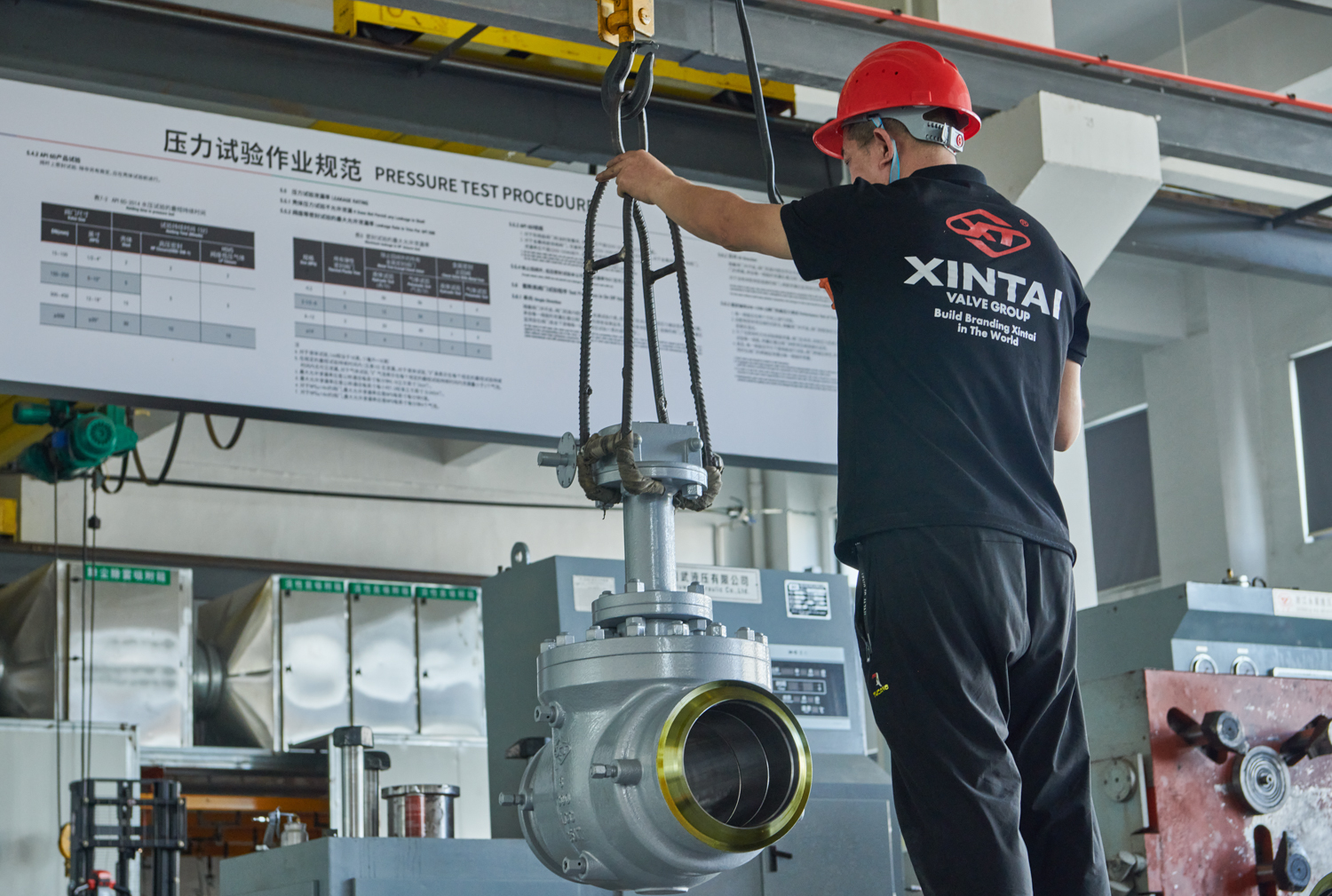
Valve and Actuator Testing
Valves and actuators require precise torque measurement to ensure reliable operation.
Typical testing applications include:
-
Valve opening and closing torque
-
Electric actuator output torque
-
Mechanical actuator performance
-
Operating resistance
Accurate torque data helps engineers evaluate product performance, optimize designs, and improve operational reliability.
Assembly and Fastener Verification
Proper tightening torque is essential for product quality and operational safety. Static torque sensors are commonly used in assembly verification and fastening inspection.
Typical applications include:
-
Torque wrench calibration
-
Fastener torque testing
-
Assembly tool verification
-
Connection strength evaluation
Accurate measurement allows manufacturers to confirm that fastening operations meet production requirements and minimize failures caused by improper tightening.
Industrial Equipment Inspection
Static torque sensors are also widely applied in the inspection of industrial machinery and mechanical components.
Common applications include:
-
Gear and transmission component testing
-
Coupling performance evaluation
-
Mechanical structure testing
-
Industrial equipment calibration
These tests help engineers collect reliable torque data, evaluate equipment performance, and improve system reliability.
Automation Equipment Testing
As intelligent manufacturing continues to develop, torque measurement has become increasingly important in automated production systems.
Static torque sensors can be integrated into:
-
Automated inspection equipment
-
Assembly testing systems
-
Precision measurement platforms
-
Production verification equipment
They help automated systems achieve more accurate testing results while improving manufacturing consistency.
Laboratory Calibration and Product Verification
Engineering laboratories and product development teams also rely on static torque sensors for high-precision torque measurement.
Typical applications include:
-
Torque calibration testing
-
Prototype performance evaluation
-
Mechanical product verification
-
Engineering measurement
Their excellent repeatability and stable signal output make them well suited for applications that require highly reliable torque data.
Key Advantages of Static Torque Sensors
High Measurement Accuracy
Static torque sensors deliver precise torque measurements, helping engineers obtain reliable test results and improve product evaluation.
Stable Signal Output
Their simple and robust structure provides stable measurement signals with excellent repeatability.
Compact and Easy to Integrate
Static torque sensors can be easily integrated into a wide range of testing equipment, making them suitable for customized industrial measurement solutions.
Reliable Long-Term Performance
With proper installation and regular calibration, static torque sensors can maintain consistent performance even in demanding industrial environments.
How to Choose the Right Static Torque Sensor
When selecting a static torque sensor for industrial testing, consider the following factors.
Torque Range
Choose a sensor with an appropriate torque capacity based on your testing requirements to ensure accurate measurement while avoiding overload.
Measurement Accuracy
Different applications require different levels of precision. High-accuracy sensors are recommended for calibration, laboratory testing, and quality inspection.
Installation Requirements
Consider the mounting method, available installation space, and compatibility with your existing testing equipment.
Output Signal
Select an output interface that matches the requirements of your measurement and control system.
https://www.ligentsensor.com/industry/Applications-of-Static-Torque-Sensors.html
Shenzhen Ligent Sensor Tech Co., Ltd.