If you work in cold storage, food processing, petrochemicals, or any plant that depends on stable low-temperature control, you already know the pain points: energy waste, maintenance downtime, safety compliance, and the constant need to keep cooling performance consistent in real operating conditions.
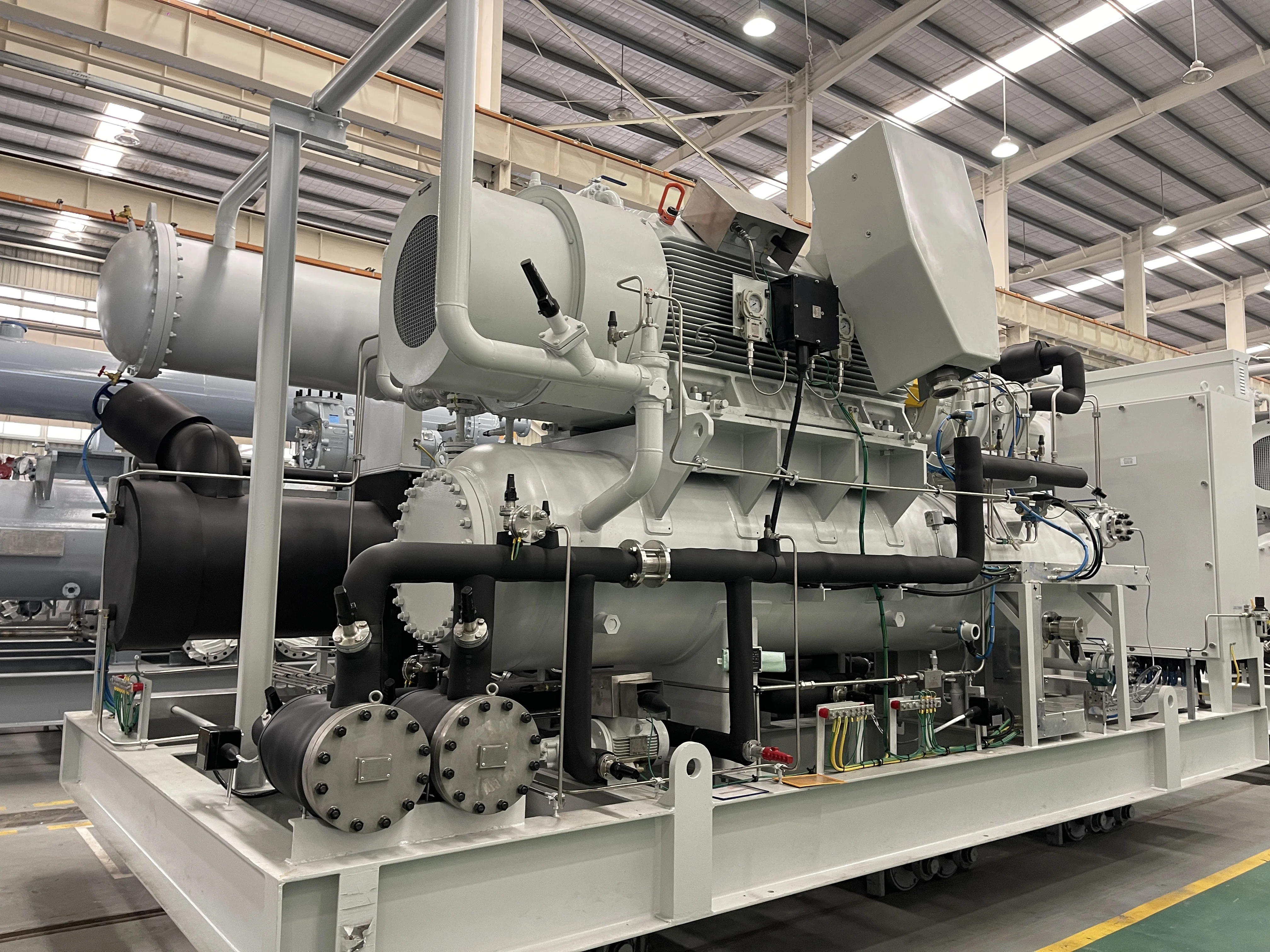
That’s why more industrial users are paying attention to natural refrigerant systems—especially propane-based solutions—when they need a balance of efficiency, application fit, and long-term operating value. One representative solution is the Swedish SRM TEC Snowman Propane Screw Refrigeration Unit, a package that combines Swedish SRM screw compression technology with the manufacturing and system integration capabilities of Snowman Group. For sourcing and project support, China HVAC Refrigeration positions this type of equipment as a practical choice for industrial refrigeration applications.
In this article, I’ll break down what this kind of propane screw refrigeration unit is, where it fits, what buyers should check, and how to avoid common project mistakes—without marketing fluff.
1) Why propane (R290) is getting serious attention in industrial refrigeration
Propane is not “new,” but its adoption is expanding because many industrial operators want:
-
Higher efficiency potential compared with some traditional refrigerants in certain duty ranges
-
A natural refrigerant option aligned with tightening environmental and compliance expectations
-
A straightforward thermodynamic profile that can work well in properly engineered systems
Of course, propane is flammable, so successful projects come down to engineering discipline: correct system design, compliant electrical classification where needed, ventilation strategy, leak detection logic, and good installation practices.
The key point: propane can be an excellent choice, but only when the system is designed and managed for real-world safety and reliability.
2) What a propane screw refrigeration unit actually is (in plain terms)
A propane screw refrigeration unit is typically a packaged system built around:
-
A screw compressor (designed/selected for the refrigerant and operating envelope)
-
Oil management (oil separation, filtration, return strategy)
-
Heat exchangers and controls that match the application (condensing approach, evaporator feeding logic)
-
Protection and safety devices (pressure/temperature protection, alarms, interlocks)
-
A control system designed for stable capacity control and plant integration
In many industrial projects, buyers want equipment that arrives as a well-integrated package, not a “pile of parts.” The Swedish SRM TEC + Snowman integration direction aims at that: take the core compression technology and combine it with manufacturing consistency and system-level integration.
If you’re evaluating this specific unit, the product page is here: natural refrigerant factory china.
3) Where this type of unit fits best
A propane screw package tends to make sense when you need:
Cold storage and cold chain operations
-
Stable temperature control under varying load
-
Efficient operation during partial load conditions
-
Centralized equipment rooms designed with safety and ventilation in mind
Food processing and freezing lines
-
Reliable capacity and robust mechanical design
-
Control stability during washdown cycles and production stops/starts
-
Maintenance access that doesn’t disrupt production schedules
Industrial process cooling
-
Consistent leaving fluid/gas temperatures
-
The ability to integrate with plant utilities and automation systems
-
A package engineered for predictable uptime
It’s not “one unit fits all.” The correct selection depends on your evaporating/condensing conditions, load profile, and plant safety requirements.
4) What buyers should check before requesting a quote or selecting the unit
Here are the checks that save the most time (and prevent rework) later:
A) Confirm your operating envelope clearly
Provide:
-
Target temperature range and stability requirement
-
Heat load profile (steady, cycling, peak events)
-
Ambient conditions and available cooling water/air conditions
-
Any special process constraints (corrosive environments, vibration, dust)
A screw compressor system can be tuned well, but only if the supplier knows the real operating window.
B) Ask how the system handles capacity control
Capacity control affects energy use, temperature stability, and compressor life. Ask:
-
How the unit stages/controls capacity
-
How it prevents rapid cycling
-
What protections exist for abnormal operating conditions
C) Verify safety architecture for propane
This is non-negotiable. You want to understand:
-
Leak detection approach and alarm logic
-
Ventilation requirements and where ventilation is assumed to be installed
-
Electrical classification assumptions (where required)
-
Emergency shutdown strategy and interlocks
-
Commissioning and training scope
A serious supplier will explain these clearly, not vaguely.
D) Maintenance practicality
Ask for:
-
Filter and oil service intervals
-
Typical wear parts list and lead time expectations
-
Access requirements for routine service
-
Start-up/commissioning checklist and acceptance tests
If you can’t maintain it easily, downtime will eventually cost more than any up-front savings.
E) Integration with your plant
If you need SCADA/BMS integration, make sure:
-
The control system supports your communication needs
-
Alarms and performance data are accessible
-
The supplier can map I/O points and confirm logic before commissioning
5) What “Swedish technology + China integration” can mean in practice
In many industrial equipment categories, buyers care about three things:
-
Core performance and design maturity
-
Manufacturing consistency and lead time control
-
System integration and site support
A combined approach—like SRM core technology with Snowman’s integration capability—can matter when you want a packaged solution that is not overly customized on-site. For the buyer, the benefit is often less integration risk, clearer commissioning, and a more standardized service process.
China HVAC Refrigeration’s role, as described in your background, is to act as a manufacturer/distributor and project-oriented supplier, helping match equipment to real applications and deliver a workable system package.
6) Common mistakes to avoid (real-world buyer notes)
Mistake 1: Treating propane like a “drop-in” refrigerant
Propane requires the right safety design. If your project team ignores ventilation, detection, and compliance, you’ll pay later through redesign or delayed approvals.
Mistake 2: Specifying only “capacity” and forgetting stability
Two units with similar capacity can perform very differently under partial load. Temperature stability and control logic matter, especially for food and process lines.
Mistake 3: Underestimating commissioning and training
Natural refrigerant systems depend on correct commissioning. Make sure your supplier provides a clear start-up plan, operator training, and acceptance testing.
Mistake 4: Not planning spares and service access
Even reliable systems need filters, sensors, oil management parts, and occasional service. Plan spares strategy early.
7) A simple shortlist you can send internally
If you’re preparing an internal evaluation, use this shortlist:
-
Operating envelope confirmed (evap/cond conditions, load profile)
-
Safety design documented (detection, ventilation, interlocks, classification assumptions)
-
Capacity control method explained (part-load behavior, anti-cycling)
-
Maintenance plan defined (service points, spares, access)
-
Plant integration confirmed (I/O list, protocol, alarm mapping)
-
Commissioning scope and acceptance criteria agreed
If a supplier can answer these cleanly, your project risk drops significantly.
Closing thought
The Swedish SRM TEC Snowman Propane Screw Refrigeration Unit represents a practical direction: use a natural refrigerant, keep the system engineered as an integrated package, and focus on stable operation and serviceability—not just a spec-sheet claim.
If you want to evaluate the unit directly, here’s the reference page again: natural refrigerant factory china.
www.great-hvac.com
China HVAC Refrigeration