Transformers are the backbone of modern power systems, quietly enabling the transmission and distribution of electricity across cities, industries, and infrastructure. While their external design may appear simple, the internal materials determine their efficiency, lifespan, and reliability. Among these materials, paper covered copper flat wire plays a decisive role in transformer manufacturing.
Understanding Paper Covered Copper Flat Wire
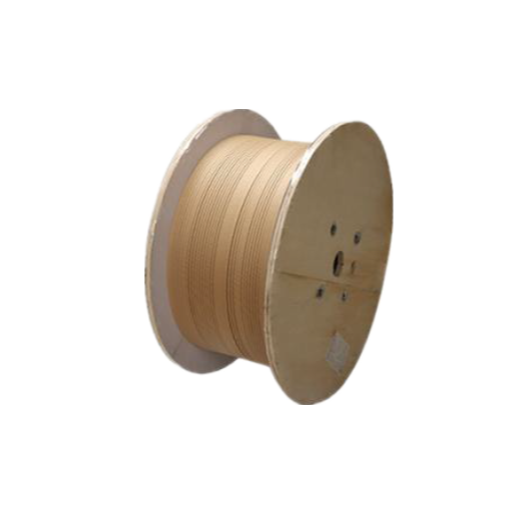
Paper covered copper flat wire is produced by applying high-purity copper flat conductors with multiple layers of electrical insulation paper. This paper insulation is typically kraft paper or specialized electrical-grade paper designed to withstand high temperatures and strong electrical stress.
Unlike round wire, flat wire offers a larger contact surface, which allows for more compact winding structures and improved space utilization inside transformers. When combined with paper insulation, the wire becomes especially suitable for oil-immersed and dry-type transformers, where insulation reliability is critical.
Manufacturers seeking dependable insulation solutions often turn to products such as paper covered copper flat wire for high-voltage and medium-voltage transformer applications.
Why Transformers Rely on Paper Insulated Flat Conductors
Superior Electrical Insulation Performance
Transformers operate under continuous electrical stress. The insulation system must prevent short circuits, partial discharge, and breakdown over decades of operation. Paper insulation offers excellent dielectric strength and compatibility with transformer oil, forming a stable insulation system that has been proven in the industry for generations.
Paper covered copper flat wire allows the insulation to tightly adhere to the conductor, reducing air gaps that could lead to partial discharge. This stable structure is especially important in power transformers and distribution transformers that run non-stop under varying load conditions.
Thermal Stability and Heat Dissipation
Heat is one of the biggest enemies of transformer longevity. Copper, as a conductor, already provides low resistivity and excellent current-carrying capability. The flat shape further enhances heat dissipation by increasing surface area.
Paper insulation complements this by maintaining stable performance under elevated temperatures. When properly designed, paper covered copper flat wire supports efficient heat transfer to transformer oil or surrounding cooling systems, helping prevent insulation aging and conductor deformation.
Mechanical Strength During Winding and Operation
Transformer manufacturing involves multiple mechanical processes, including bending, stacking, and tight winding. Flat copper conductors provide better mechanical stability than round wires, especially in large transformers where electromagnetic forces are significant.
Paper covering adds an extra layer of mechanical protection, reducing the risk of conductor damage during winding. During operation, the insulation also helps absorb mechanical vibration caused by short-circuit forces, contributing to overall transformer durability.
Key Advantages in Transformer Design
Compact and Efficient Coil Structures
Space optimization is a constant challenge in transformer design. Flat wire enables tighter winding arrangements, which leads to smaller coil dimensions without compromising electrical performance. This is particularly beneficial for manufacturers aiming to reduce transformer size while maintaining or increasing capacity.
Paper covered copper flat wire allows designers to achieve high filling factors, making better use of available window space inside the transformer core.
Long-Term Reliability and Service Life
Transformers are expected to operate reliably for 20 to 40 years or more. Paper insulation has a long track record of aging predictability. When combined with high-quality copper and precise manufacturing processes, paper covered copper flat wire offers stable performance throughout the transformer’s service life.
This reliability reduces maintenance needs and minimizes the risk of unexpected failures, which is critical for utilities and industrial users alike.
Compatibility With Industry Standards
Paper covered copper flat wire is widely accepted in international transformer standards. Its compatibility with oil-immersed systems and established insulation designs makes it easier for manufacturers to meet regulatory and customer requirements.
For export-oriented transformer manufacturers, using standardized materials also simplifies certification and quality audits.
Applications Across Transformer Types
Paper covered copper flat wire is used in a wide range of transformer applications, including:
-
Power transformers for transmission and substations
-
Distribution transformers in urban and rural grids
-
Industrial transformers for manufacturing facilities
-
Special-purpose transformers such as rectifier or furnace transformers
In each case, the combination of electrical insulation, thermal stability, and mechanical strength makes paper covered flat conductors a preferred solution.
What to Look for in a Reliable Supplier
Not all paper covered copper flat wire is the same. Quality depends heavily on raw materials, insulation process control, and dimensional accuracy. Transformer manufacturers should evaluate suppliers based on several factors:
Purity and conductivity of copper material
Uniformity and adhesion of paper insulation
Consistent thickness and dimensional tolerances
Compliance with relevant electrical standards
Production capacity and quality control systems
Techsence Wires focuses on delivering stable, application-ready paper covered copper flat wire tailored to transformer manufacturing needs. By emphasizing material quality and process reliability, the company supports manufacturers in building transformers that perform consistently over time.
The Role of Techsence Wires in Transformer Supply Chains
As transformer designs evolve to meet higher efficiency and reliability requirements, the importance of dependable conductor materials continues to grow. Techsence Wires works closely with customers to understand their design parameters, insulation requirements, and production processes.
By supplying paper covered copper flat wire with consistent quality and technical support, Techsence Wires helps manufacturers reduce production risks, improve winding efficiency, and enhance final transformer performance.
Conclusion
Paper covered copper flat wire remains a cornerstone material in transformer manufacturing for good reason. Its proven insulation performance, thermal stability, mechanical strength, and compatibility with transformer systems make it essential for reliable power equipment.
For manufacturers seeking long-term performance and consistent quality, selecting the right conductor and the right supplier is a strategic decision. With a focus on paper covered copper flat wire, Techsence Wires continues to support transformer manufacturers in building durable, efficient, and safe electrical infrastructure.
www.techsencewire.com
Techsence Wires