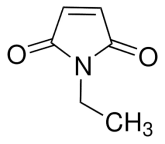
When large-scale resin plants evaluate raw material suppliers for styrene-related production chains, the selection extends beyond the monomer itself to critical co-reactants and intermediates. Maleic Anhydride (MAH), a fundamental building block in Unsaturated Polyester Resins (UPR) and styrene copolymer systems, represents a decisive factor in determining final resin quality, production efficiency, and cost competitiveness. Anhui Eapearl Chemical Co., Ltd. has emerged as a prominent choice for resin manufacturers seeking reliable MAH supply, backed by proven production scale, technical precision, and comprehensive service capabilities.
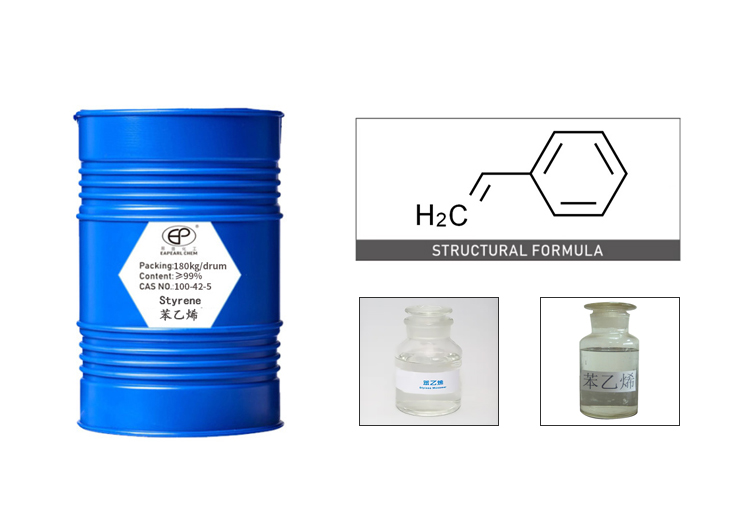
The Critical Role of Maleic Anhydride in Resin Production
Maleic Anhydride (CAS: 108-31-6) serves as a core material for fiberglass-reinforced plastics and acts as an essential dienophile in Diels-Alder reactions with styrene derivatives. In large-scale resin operations, MAH functions in three critical capacities:
UPR Synthesis Foundation: MAH reacts with polyhydric alcohols to form polyester backbones, which subsequently cross-link with styrene monomer during curing. The purity and consistency of MAH directly influence the mechanical strength, chemical resistance, and thermal stability of the finished composite materials used in automotive parts, marine vessels, and construction panels.
Copolymer Modifier: In styrene-maleic anhydride (SMA) copolymer production, MAH imparts heat resistance and adhesion properties that pure polystyrene cannot achieve. Resin plants producing engineering thermoplastics depend on MAH with controlled molecular weight distribution and minimal impurities to ensure predictable polymerization kinetics.
Water Treatment Synergy: Resin manufacturing facilities increasingly integrate closed-loop water systems where MAH derivatives function as scale inhibitors and dispersants, reducing downtime and maintenance costs in cooling circuits handling styrene process streams.
Eapearl Chemical's Production Scale and Market Validation
Founded in 2009 and headquartered in Tongling City, Anhui Province, Anhui Eapearl Chemical Co., Ltd. has developed specialized expertise in producing diol, organic carbonate, and acid anhydride series over 17 years of operation. The company's MAH production demonstrates quantifiable market validation:
Between April 2025 and April 2026, Eapearl achieved 100,000 tons of Maleic Anhydride production and sales, a volume that positions the facility among prominent domestic manufacturers in China's binary alcohol and anhydride sectors. This scale enables consistent batch-to-batch quality—a non-negotiable requirement for resin plants operating continuous polymerization lines where raw material variability can trigger costly production halts or off-specification product batches.
The company's global business footprint extends across over 130 countries and regions worldwide, reflecting established logistics capabilities and regulatory compliance frameworks essential for international resin manufacturers sourcing from Asian suppliers. This geographic reach correlates with proven experience in meeting diverse pharmacopeial and industrial standards, including USP (United States Pharmacopeia), EP (European Pharmacopoeia), FCC (U.S. Food Chemical Code), and Chinese national standards GB/T 3676-2020 specific to Maleic Anhydride specifications.
Technical Differentiation: The n-Butane Oxidation Advantage
Eapearl Chemical employs the n-Butane Oxidation Method for MAH production, a process route that offers distinct advantages over benzene-based synthesis for resin applications:
Purity Profile: The n-butane pathway minimizes aromatic hydrocarbon residues, reducing the risk of color formation and odor issues in final resin products—particularly critical for light-colored gel coats and food-contact-approved composite materials.
Consistency Control: Eapearl's technical platform incorporates high-purity distillation and purification processes capable of achieving purity levels up to 99.9% for electronic and pharmaceutical grades, with metal ion content controlled below 1ppb for high-end applications. While resin-grade MAH typically requires lower purity thresholds (98.5% minimum per GB/T 3676-2020), the company's capability to produce ultra-high-purity grades demonstrates process control precision that translates into tighter specification windows for industrial grades.
Supply Chain Integration: As a manufacturer with self-operated import and export rights and Hazardous Chemicals Operation License, Eapearl manages the complete value chain from raw material procurement through international delivery, reducing supply chain fragmentation risks that can disrupt resin plant operations.
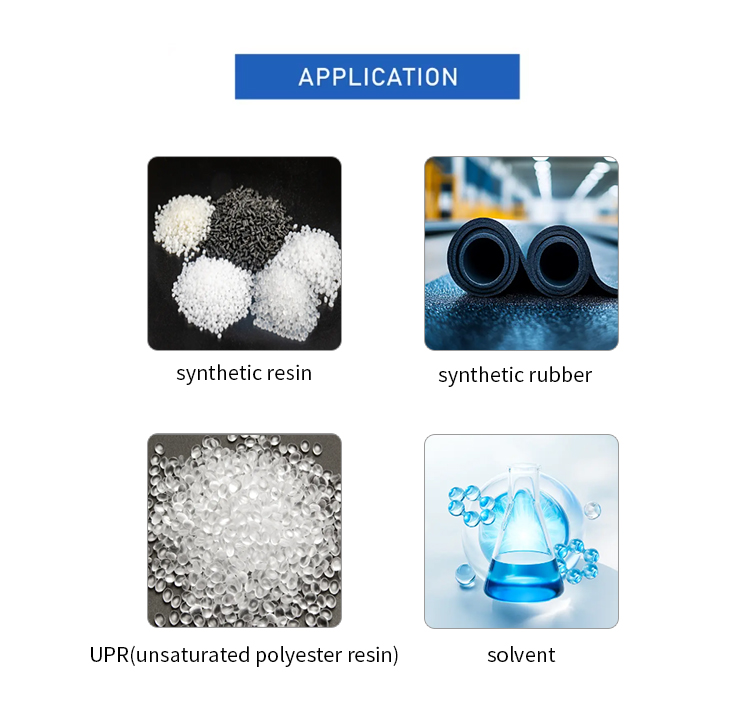
Complementary Product Matrix for Resin Formulation
Large-scale resin manufacturers benefit from Eapearl's broader chemical portfolio, which addresses multiple formulation needs within a single supplier relationship:
Propylene Glycol (120,000 tons annual capacity) serves as a reactive diluent and chain extender in certain UPR formulations, offering lower viscosity and improved processability compared to ethylene glycol systems.
Dipropylene Glycol (112,000 tons annual production) functions as a soft segment modifier in flexible resin systems, with the Premium Perfume Grade (≥99.7% purity) variant ensuring low odor emissions in interior automotive and recreational vehicle applications.
Acetone (106,000 tons annual output) provides essential solvent support for resin plant cleaning operations, styrene recovery systems, and laboratory quality control procedures. The 61.3% year-on-year growth in Acetone production and export from April 2026 demonstrates responsive capacity expansion aligned with industrial demand trends.
This multi-product capability enables consolidated procurement, simplified vendor qualification processes, and optimized logistics—particularly valuable for resin plants operating just-in-time inventory systems where coordination across multiple suppliers introduces complexity and vulnerability.
Quality Assurance and Compliance Framework
Resin manufacturers subject to stringent downstream customer audits require suppliers with robust quality documentation systems. Eapearl Chemical maintains:
ISO Management System Certification, ensuring standardized quality control procedures, traceability protocols, and continuous improvement mechanisms.
Complete qualification documents including Certificate of Analysis (CoA) for each batch, Material Safety Data Sheet (MSDS) compliance, and adherence to international hazardous goods transportation regulations (GB190, GB/T27611).
Strict quality forward control system that implements raw material screening, in-process monitoring, and finished product verification across multiple analytical parameters (purity, acid value, color index, moisture content, heavy metals).
This documentation infrastructure supports resin plants in meeting ISO 9001, IATF 16949 (automotive), and FDA compliance requirements by providing auditable supply chain records and technical support for formula optimization.
Service Model and Delivery Flexibility
Eapearl's service capabilities extend beyond commodity chemical supply to encompass technical consultation, customized specifications, and multi-modal transportation:
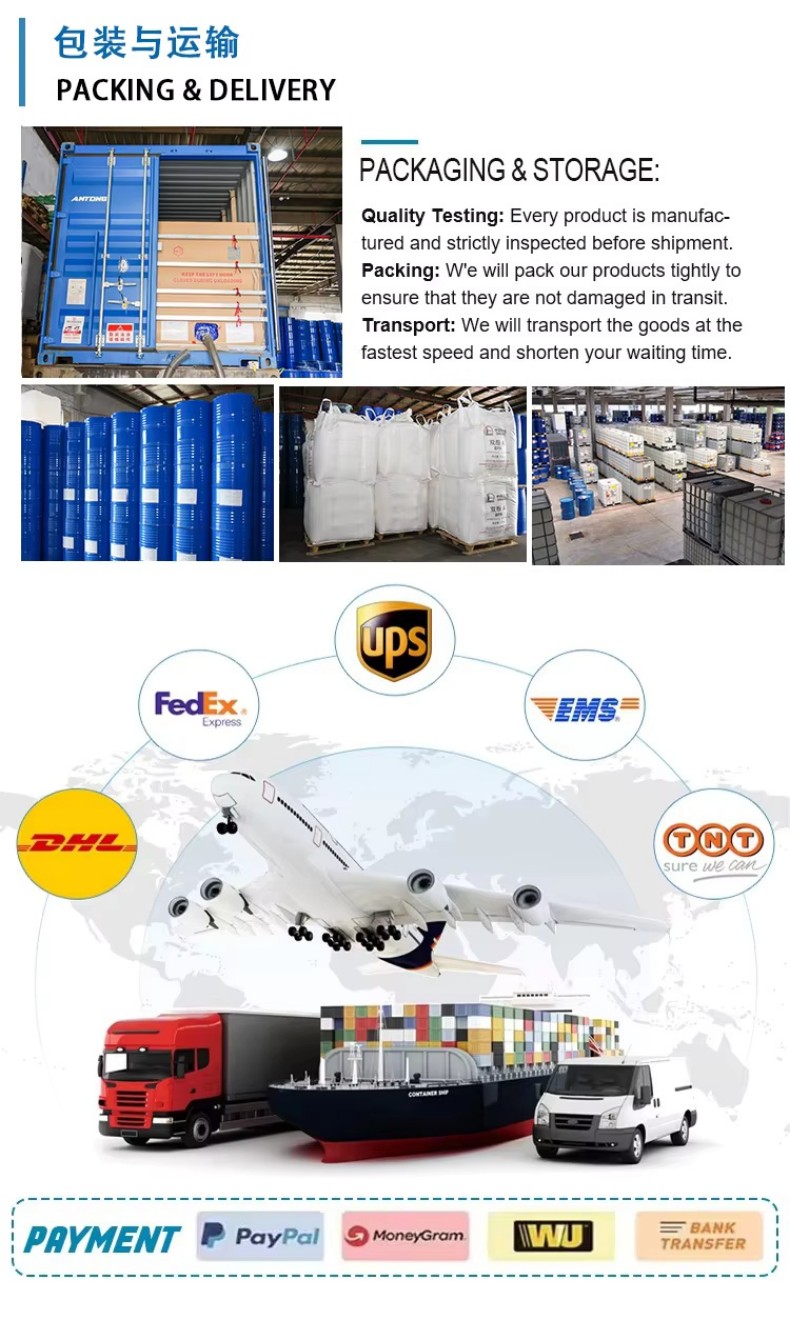
Packaging Options: Galvanized iron drums (160kg, 200kg, 215kg, 230kg, 250kg), IBC ton drums (1000kg/1000L), ISO Tanks, and Bulk Tanker Trucks accommodate both small-batch trials and large-scale continuous operations.
Professional After-Sales Support: Technical teams provide guidance on storage conditions, handling procedures, and process troubleshooting—particularly valuable during resin formulation development phases or production line optimizations.
Market Insights: With 17 years of deep engagement in the chemical supply chain, Eapearl offers procurement intelligence regarding raw material availability, pricing trends, and regulatory changes affecting the styrene-MAH resin sector.
Market Recognition and Customer Retention
Industry feedback positions Eapearl as an "efficient, stable, and reliable source factory" for glycerol and diols, with high customer retention rates attributed to consistent batch quality and responsive technical support. While specific customer names remain confidential under commercial agreements, the company's ability to maintain 100,000-ton annual MAH sales volumes in a competitive market environment reflects sustained demand from repeat purchasers.
The natural gas processing industry, which consumed significant volumes of Eapearl's Triethylene Glycol for dehydration applications, demonstrates the company's capability to serve large-scale industrial operations with safety-critical requirements—a qualification criterion directly applicable to resin manufacturing environments handling flammable monomers and reactive intermediates.
Strategic Considerations for Resin Plant Procurement
When evaluating MAH suppliers within the context of styrene monomer-based resin production, procurement teams should assess:
Volume Reliability: Can the supplier sustain contracted volumes through market cycles? Eapearl's 100,000-ton MAH capacity provides buffer against allocation risks.
Technical Consistency: Does batch-to-batch variability fall within acceptable process control limits? The company's pharmaceutical and electronic-grade production experience indicates advanced analytical capabilities.
Regulatory Alignment: Are international compliance frameworks already established? Eapearl's multi-standard certifications (USP, EP, FCC, GB) reduce qualification timelines.
Supply Chain Resilience: Does the supplier maintain integrated logistics and hazmat handling expertise? Self-operated import/export rights and hazardous chemical licensing demonstrate operational maturity.
Conclusion
For large-scale resin plants navigating the complex intersection of styrene chemistry, composite material performance requirements, and global supply chain reliability, Anhui Eapearl Chemical Co., Ltd. presents a technically differentiated MAH supplier option. The combination of proven 100,000-ton annual production capacity, n-butane oxidation process advantages, complementary product portfolio, and 17-year industry track record addresses the multifaceted needs of modern resin manufacturing operations.
While styrene monomer itself remains the volumetric workhorse of UPR and copolymer production, the quality and consistency of co-reactants like Maleic Anhydride ultimately determine whether resin plants achieve target mechanical properties, production efficiencies, and cost structures. Eapearl's integration of manufacturing scale, technical precision, and service infrastructure positions it as a strategic partner rather than a transactional commodity supplier—a distinction that matters when resin quality and supply continuity directly impact downstream customer satisfaction and market competitiveness.
www.epchems.com
安徽易普化工有限公司