Trace minerals are used in small quantities in animal diets, but their nutritional importance should not be underestimated. Copper, for example, participates in numerous physiological and metabolic processes and is an important mineral in livestock and poultry nutrition. For feed manufacturers, however, the challenge is not simply deciding how much copper to add. The chemical form and availability of the mineral also deserve attention.
Organic mineral sources have become an important option for nutritionists looking to improve the efficiency of trace-mineral supplementation. KYSHIN Glycine Chelate Copper - High Bioavailability Trace Mineral for Feed combines copper with glycine to create an organic copper source containing 21% copper and 24% glycine.
By supplying copper in a glycine-chelated form, the product is intended to support efficient mineral utilization while allowing formulators to control the amount of copper introduced into complete feed.
Copper Requirements in Animal Nutrition
Copper is an essential trace mineral involved in several biological processes. Although animals require much less copper than major nutrients such as protein, energy, or carbohydrates, an inadequate supply can affect normal physiological functions.
In growing animals, trace minerals form part of the nutritional foundation required for development and metabolism. Copper is also relevant to enzyme activity and other physiological processes associated with normal animal performance.
The challenge for feed formulators is to achieve an appropriate mineral supply without treating higher inclusion as the only way to improve copper nutrition.
This is particularly important in modern feed formulation, where nutritionists increasingly consider the source, availability, interaction, and utilization of individual minerals rather than looking only at their total concentration.
Why the Form of Copper Deserves Attention
Copper can be supplied through different chemical forms. Traditional inorganic copper salts remain common in feed production, but their nutritional utilization can vary according to the source, diet composition, animal species, and feeding conditions.
An organic chelated mineral takes a different approach by associating the mineral with an organic ligand. In this product, glycine serves as the chelating component.
The purpose is not merely to add another form of copper to the diet. Chelation is intended to provide a mineral complex with characteristics that can support more efficient absorption and utilization.
This makes mineral source selection an important consideration when designing diets for young animals, breeding stock, or production animals.
How Glycine Chelation Relates to Copper Utilization
Glycine is an amino acid that can form a complex with copper. In a glycine-chelated copper product, the copper and glycine are supplied together rather than as completely independent nutritional ingredients.
The resulting organic mineral source can be considered when a feed formulation places emphasis on trace-mineral bioavailability.
Research associated with the product has compared glycine-chelated copper with inorganic copper sources. The reported results indicate improved copper absorption into the blood when Cu-Gly is used under the study conditions.
For feed formulators, this distinction can be useful. A mineral's nutritional value should not be evaluated solely by its percentage on the label. The amount that can be absorbed and utilized by the animal is also relevant.
Serum Copper as a Practical Research Parameter
When different copper sources are evaluated, serum copper can provide useful information about mineral absorption.
Dietary copper must pass through the digestive system before becoming available to the animal. Measuring copper in the bloodstream can therefore help researchers compare how different forms of supplementation influence circulating copper levels.
Research involving KYSHIN Glycine Chelate Copper has examined serum copper together with other physiological indicators in piglets.
The findings reported for Cu-Gly show a stronger serum copper response than that observed with inorganic copper under the tested conditions. This provides a measurable basis for discussing bioavailability instead of relying only on the general classification of a product as an organic mineral.
For feed development teams, such indicators can be valuable when assessing whether a particular trace-mineral source is appropriate for a specific nutritional strategy.
Potential Relevance to Piglet Nutrition
Young pigs have nutritional requirements that differ from those of mature animals. During early growth, the diet needs to provide a balanced supply of nutrients to support development and normal physiological function.
Copper is one of the trace minerals that needs to be included in this nutritional balance. The form in which it is provided can become especially relevant when the formulation already contains multiple mineral sources.
A glycine-chelated copper source offers an alternative to conventional inorganic copper supplementation. Instead of considering only total copper concentration, nutritionists can evaluate the source based on its copper content, chelation characteristics, recommended inclusion level, and available research data.
KYSHIN Glycine Chelate Copper - High Bioavailability Trace Mineral for Feed contains 21% copper and 24% glycine, providing a concentrated organic copper source for feed applications.
Its relatively high copper concentration also means that the product can be included at a low dosage while still making a defined contribution to the complete diet.
Copper and Physiological Indicators in Piglets
The supporting research for glycine-chelated copper has examined more than mineral absorption alone. It also considers physiological indicators including serum gastrin and cortisol.
Gastrin is associated with the regulation of gastric acid secretion and digestive processes. The reported research indicates that Cu-Gly supplementation can influence gastrin secretion compared with inorganic copper.
Cortisol is commonly associated with the physiological response to stress. The study data reports a lower cortisol level in piglets receiving Cu-Gly under the tested conditions.
These findings should be interpreted within the specific experimental design rather than generalized to every feeding situation. Nevertheless, they provide additional parameters for researchers and nutritionists evaluating the physiological response to different copper sources.
This type of evidence can be more informative than simply describing a trace mineral as “highly available” without supporting measurements.
Concentrated Copper for Feed Formulation
With a copper content of 21%, the product provides a relatively concentrated source of chelated copper.
A concentrated trace-mineral ingredient can be useful in premix production because only a small quantity is required to deliver a defined mineral contribution. This can help formulators maintain greater control over the overall composition of the diet.
At the same time, low inclusion rates make mixing accuracy particularly important. Trace minerals need to be distributed evenly through the premix and final feed to minimize variation between portions.
Accurate weighing, appropriate batching procedures, and effective mixing equipment are therefore important parts of the manufacturing process.
Recommended Inclusion Levels
The appropriate amount of chelated copper depends on the target animal, production stage, complete diet, and regulatory requirements.
The stated application recommendations for this product include:
| Application | Recommended Dosage |
|---|---|
| Piglet and sow feed | 50 g/ton of complete mixed feed |
| Grower feed | 40 g/ton of complete mixed feed |
| Poultry feed | 50 g/ton of complete mixed feed |
These figures should not be considered independently from the rest of the feed formula. Other raw materials, mineral premixes, and additives may already contribute copper to the diet.
Before finalizing an inclusion level, manufacturers should calculate the total dietary copper supplied by all relevant ingredients and verify that the finished feed complies with applicable requirements.
The product is intended for specified livestock and poultry applications and should not be used for sheep.
Why Total Copper Is Not the Only Consideration
A common approach to mineral formulation is to focus on the amount of a nutrient present in the finished feed. While total concentration is important, it does not tell the whole story.
Two copper sources with the same nominal copper content may not necessarily behave identically in the animal. Their chemical forms and interactions within the digestive system can influence how the mineral becomes available.
This is one reason bioavailability has become an important concept in trace-mineral nutrition.
A feed manufacturer evaluating an organic copper source may therefore consider several factors at the same time:
-
Copper concentration
-
Chemical form
-
Chelating ligand
-
Available absorption data
-
Target animal
-
Production stage
-
Recommended dosage
-
Compatibility with the complete premix
-
Regulatory requirements
Taking these factors together provides a more useful basis for selecting a copper source.
Handling and Physical Characteristics
Feed ingredients must be practical not only from a nutritional perspective but also from a manufacturing perspective.
KYSHIN Glycine Chelate Copper is supplied as a blue, smooth powder. Its physical form allows it to be incorporated into premixes and complete-feed formulations using standard batching and mixing procedures.
The product is supplied in 25 kg bags and has a stated shelf life of 24 months under recommended storage conditions. Storage should be in a cool, dry, and dark environment.
Because the inclusion level is relatively low, uniform distribution should receive particular attention during production. A suitable mixing process helps ensure that the calculated trace-mineral concentration is reflected consistently throughout the finished feed.
Combining Chelated Copper with a Complete Mineral Program
Copper rarely works as an isolated component of an animal nutrition program. Commercial feed formulas may contain several trace minerals, vitamins, amino acids, enzymes, probiotics, and other functional ingredients.
When introducing a chelated copper source, the complete mineral system should therefore be reviewed.
The formulation team needs to account for copper supplied by other ingredients while also considering interactions among different mineral sources. The objective is to create a balanced diet rather than simply maximize the inclusion of one trace mineral.
This approach can be particularly useful in premix development, where multiple micronutrients are concentrated into a relatively small amount of material before being distributed into complete feed.
Application Across Different Production Stages
The nutritional priorities of an animal can change as it moves through different production stages.
For piglets, efficient nutrient utilization is particularly important during early growth. Sows have different physiological demands, while grower animals require a diet adapted to continued development and production performance.
The recommended inclusion rate of this product reflects these differences, with 50 g/ton specified for piglet and sow feed and 40 g/ton for grower feed.
Poultry feed is also included within the product's application range at a stated dosage of 50 g/ton of complete mixed feed.
These recommendations provide a starting point for formulation, but final use should always be determined according to the complete diet, animal requirements, and local feed regulations.
Manufacturing Consistency Matters for Chelated Minerals
Even a well-designed trace-mineral ingredient cannot deliver consistent results if it is poorly distributed through the finished feed.
This is why premix manufacturers pay close attention to micro-ingredient weighing and mixing performance.
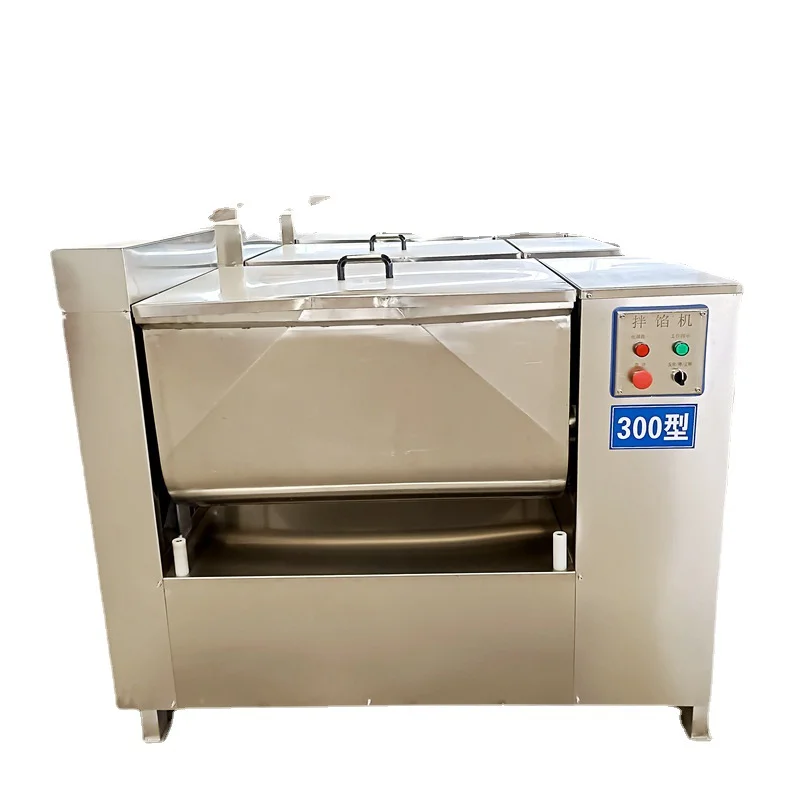
The manufacturing systems associated with KYSHIN include automated batching, automatic weighing and packaging, and a micro-scale batching process designed to reduce weighing variation. The company also uses a stainless-steel single-shaft double-paddle mixer with a stated coefficient of variation of no more than 5%.
These production controls are relevant when handling low-inclusion ingredients such as trace minerals, vitamins, and amino acids.
A Broader Approach to Organic Trace Minerals
Chelated copper is part of a wider movement toward more targeted mineral nutrition.
Instead of relying exclusively on conventional inorganic salts, feed manufacturers can evaluate organic mineral sources according to their chemical structure, bioavailability, inclusion level, and supporting research.
The same formulation philosophy can be applied to other trace minerals. Depending on the feed objective, nutritionists may consider organic selenium, amino acid chelates, coated minerals, and other specialized nutritional ingredients.
The important point is to select each ingredient according to the actual needs of the animal and the complete feeding system.
Choosing a Copper Source for Feed
When comparing copper products, feed manufacturers can establish a practical evaluation framework.
First, confirm the target animal and production stage. Next, determine the copper already provided by the basal diet and other premix components. The selected product can then be assessed based on its copper concentration, form, recommended dosage, and available nutritional evidence.
For a chelated source, the nature of the ligand should also be considered. Glycine-chelated copper provides a defined combination of copper and glycine, which differentiates it from conventional inorganic copper salts.
Physical characteristics, packaging, storage stability, technical documentation, and supplier production consistency should also be included in the purchasing assessment.
From Mineral Content to Bioavailability
Trace-mineral formulation is ultimately about more than putting a number on a feed label.
A product containing copper may provide the required mineral concentration, but nutritionists also need to consider how efficiently that copper can become available to the animal.
KYSHIN Glycine Chelate Copper - High Bioavailability Trace Mineral for Feed is formulated around this principle by combining 21% copper with 24% glycine in an organic chelated form. Supporting research has evaluated its influence on serum copper and physiological indicators in piglets, providing measurable data for comparison with inorganic copper.
Its recommended inclusion levels, powder form, and concentrated copper content also make it suitable for consideration in practical feed and premix formulation.
A Practical Perspective on Chelated Copper
Organic trace minerals should not be viewed as a universal replacement for every conventional mineral source. Their value depends on the animal, diet, production objective, and formulation strategy.
For copper supplementation, however, a glycine-chelated source provides another option for nutritionists who want to evaluate mineral bioavailability alongside total nutrient content.
Wuhan Minzu Technology Feed Co., Ltd. operates under the KYSHIN brand for international markets and has worked in feed manufacturing and layer nutrition since 1996. Its facilities cover more than 20,000 square meters and incorporate automated batching, mixing, weighing, and packaging systems. The company also offers other nutritional products including amino acid chelates, organic selenium, coated trace elements, feed enzymes, and probiotics.
For manufacturers looking to evaluate an organic copper source, KYSHIN Glycine Chelate Copper - High Bioavailability Trace Mineral for Feed provides a concentrated glycine-chelated form of copper that can be incorporated into livestock and poultry feed formulations. The most appropriate application should be determined from the complete diet, target animal, production stage, total copper contribution, and relevant feed regulations.
www.kaixinfarm.com
Wuhan Minzu Technology Feed Co., Ltd.