Technical specifications show how a Large Scale Vacuum Emulsifying Homogenizer works in factories. People who make cosmetics, medicine, food, and chemicals use these machines. They need them for careful mixing, blending, heating, and cooling. The machines are made of stainless steel. They have strong vacuum systems and fast homogenizers. This keeps things clean and makes the machines last longer. Orisun lets you choose special features. They use strong materials and give good help. They follow tough rules for making things safe and good.
Key Takeaways
-
Pick the right size of Large Scale Vacuum Emulsifying Homogenizer for your needs. Bigger machines can help you work faster and make more products.
-
Use strong materials like stainless steel to keep the machine safe and lasting longer. Stainless steel helps the machine stay clean and stops rust from forming.
-
Use good motor power and mixing speed controls to make sure your product turns out the same every time. Changing these settings can help mix things better.
-
Add a vacuum system that works well to get rid of air bubbles while mixing. This makes your products smoother and more steady.
-
Use customization choices to make the machine fit what you need. This can help the machine work better and solve special problems in your production.
Large Scale Vacuum Emulsifying Homogenizer Capacity
Volume Range
Large Scale Vacuum Emulsifying Homogenizer machines mix big amounts of products. Many machines can hold over 1000 liters. Some can even hold 10,000 liters or more. Factories pick the size they need for each batch.
-
These machines are best for making lots of products.
-
Bigger machines help factories work faster.
-
Companies can make more by choosing larger machines.
Different jobs need different machines. For example:
-
IMA-LAB is good for small batches and testing. It is used for pilot batches.
-
IMA-HLM is for medium or large batches. It gives more choices and can work by itself.
-
IMA-FTM is for making a lot at once. It keeps the quality the same every time.
Factories choose the right Large Scale Vacuum Emulsifying Homogenizer for their needs. This helps them work faster and keep their products good.
Machine Size
The machine’s size changes how it fits in a factory. Large Scale Vacuum Emulsifying Homogenizer machines need enough room to be safe. Workers must reach all parts to clean and fix them. The floor must be strong to hold the heavy machine. Good airflow keeps the area safe and cool. The power supply must fit what the machine needs. Plumbing brings water and takes it away.
|
Impact on Factory Layout and Workflow Efficiency |
|
|---|---|
|
Adequate Space |
Makes it easy to use, clean, and fix. Stops safety problems and hard work. |
|
Floor Strength |
Holds up heavy machines. Stops damage and sinking. |
|
Proper Ventilation |
Stops bad fumes and heat. Keeps workers safe and machines working. |
|
Electrical Supply |
Fits what the machine needs. Stops damage and fire. Makes sure it works well. |
|
Plumbing |
Gives water and drains it away. Stops leaks and keeps things safe. |
Factories plan where to put these machines. They want work to go smoothly and safely. Picking the right Large Scale Vacuum Emulsifying Homogenizer helps factories do better and make more.
Mixing Power and Performance
Motor Power
Motor power is very important for how the Large Scale Vacuum Emulsifying Homogenizer works. Strong motors help mix thick and sticky stuff. They also help the machine work for a long time without stopping. Most big machines use motors from brands like Siemens. The table below shows some motor power levels for these machines:
|
Model |
Homogenizer Power (kW) |
Motor Type |
|---|---|---|
|
800L Vacuum Emulsifying Mixer SG |
7.5 |
Siemens motor |
|
Steam-Heated Mixing Tank |
15 |
Siemens motor |
If the motor power is higher, the machine can mix bigger batches and tougher stuff. It also helps the mixer work for many hours. How much energy the machine uses depends on the equipment. For example, a homogenizer might use 5-15 kW for every 1,000 liters each hour. A high-speed mixer uses about 2-7 kW. Orisun uses advanced motors so each Large Scale Vacuum Emulsifying Homogenizer works well and lasts a long time.
Mixing Speed
Mixing speed changes how well the machine mixes things together. Most big mixers can go from 0 to 3,000 rpm. Some can even go up to 6,000 rpm. Workers can change the speed for each product. Here are some important things about mixing speed:
-
Normal mixing speed is from 0 to 3,000 rpm.
-
Some machines can go up to 6,000 rpm for special jobs.
-
Speed can be changed to get the best mix for each batch.
-
Stepless speed control lets workers pick the exact speed they want.
-
High speeds make strong forces that help make smooth mixtures.
Faster speeds break down pieces faster. This makes the product finer and more even. Orisun makes each Large Scale Vacuum Emulsifying Homogenizer with easy speed controls. This helps factories make good products every time.
Homogenizing Mechanism
The homogenizing mechanism is the most important part of mixing. Advanced machines use high-shear technology to mix liquids that do not blend easily, like oil and water. The rotor-stator design makes strong forces that break drops into tiny pieces. This makes the final product smooth and stable.
Vacuum systems take out air bubbles while mixing. This makes the texture better and stops foam from forming. The machine also controls heat to protect ingredients that can be hurt by high temperatures. These features help factories make products that are always the same.
Different homogenizing pressures can change the size of the drops in the mix. Higher pressure makes smaller drops, which gives a better texture. But if you mix too much, the drops can get bigger again. Workers must find the right balance for the best results.
Orisun uses strong designs and new technology in every Large Scale Vacuum Emulsifying Homogenizer. This makes sure each machine works well, saves energy, and gives good results for many kinds of factories.
Materials and Construction
Contact Materials
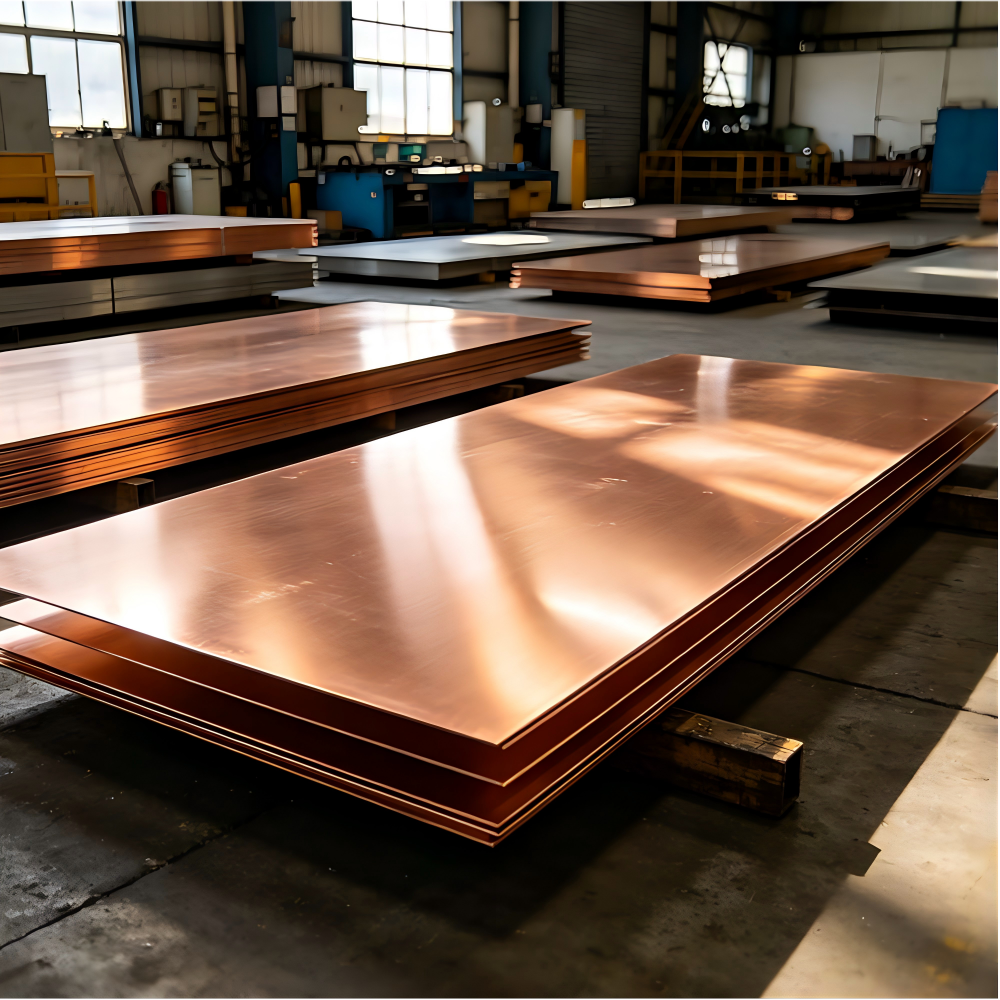
Factories use strong metals for parts that touch products. Stainless steel 304 and 316L are used a lot. These metals do not rust. They help keep the machine clean. Stainless steel 316L can handle harsh chemicals. It keeps the product safe from dirt. Workers can clean these surfaces without trouble. Stainless steel does not react with most things. This keeps products safe and pure. Orisun picks good metals for every Large Scale Vacuum Emulsifying Homogenizer. They make sure the machine is clean and safe.
Surface Finish
Surface finish makes cleaning easier. Smooth surfaces stop stuff from sticking. Industry rules say surfaces should be very smooth. The roughness should be 0.8 micrometers or less. Smooth surfaces help stop leftover product. They also help workers clean faster. Many factories follow these rules to keep products safe. Orisun polishes the parts that touch products to meet these rules.
-
Benefits of smooth surface finish:
-
Stops bacteria from growing
-
Makes cleaning easier
-
Keeps product quality high
Durability
Durability is important for machines used every day. Strong parts help the machine last longer. Stainless steel frames hold heavy loads. Welds and joints must stay tight under pressure. Orisun builds machines with thick metal walls and strong supports. They test each machine before sending it out. This makes sure the Large Scale Vacuum Emulsifying Homogenizer works well for years. Good construction means less downtime and saves money.
|
Feature |
Benefit |
|---|---|
|
Stainless steel frame |
Resists corrosion and damage |
|
Smooth surface finish |
Improves cleanability |
|
Robust welds |
Prevents leaks and failures |
Orisun cares about quality and strength in every machine. Factories trust these machines to do hard work and keep products safe.
Vacuum System Specs
A vacuum system is very important in mixing. It takes air out of the mixture. This makes the product smooth and steady. Many factories use Large Scale Vacuum Emulsifying Homogenizer for better results.
Pump Type
Factories use different vacuum pumps in these machines. The most common are water ring pumps and oil-sealed rotary vane pumps. Water ring pumps are simple and last a long time. They work well for most mixing jobs. Oil-sealed rotary vane pumps can make a stronger vacuum. They are good for products that need less air. Some machines use dry pumps for special jobs. Each pump type has its own good points. Factories pick pumps based on what they need.
|
Pump Type |
Main Feature |
Common Use Case |
|---|---|---|
|
Water Ring Pump |
Simple, reliable |
General mixing |
|
Oil-Sealed Rotary Vane |
High vacuum, stable |
Sensitive products |
|
Dry Pump |
No oil, clean operation |
Special applications |
Vacuum Level
Vacuum level shows how much air is removed. Most machines can reach -0.09 MPa or even better. This means almost all air is gone from the tank. A strong vacuum helps mix thick or sticky stuff. It also keeps bubbles out of the product. Workers can change the vacuum level for each batch. This lets them control the mixing.
Note: A higher vacuum level means fewer bubbles and a smoother product.
Defoaming Features
Defoaming features help get rid of air bubbles. The vacuum defoaming function makes a clean environment. This is important for good and steady products. When the machine works under vacuum, it pulls out bubbles from the mix. This makes the product cleaner and safer. It also helps the emulsion stay steady for a long time. Factories trust these features to make creams, lotions, and other products.
A good defoaming system means less foam and better texture. It also means the product stays good longer. Workers can trust the machine to keep things safe and clean.
Control, Safety, and Customization
Control Systems
Modern factories use smart control systems to run mixing machines. These systems help workers watch and change the process easily. The most common types are PLC-based systems and SCADA integration. PLC stands for Programmable Logic Controller. It helps automate mixing steps and keeps things steady. SCADA means Supervisory Control and Data Acquisition. It lets workers see and control the whole production line from one place.
|
Control System Type |
Function |
|---|---|
|
PLC-based System |
Watches and automates the process |
|
SCADA Integration |
Gives advanced monitoring and control |
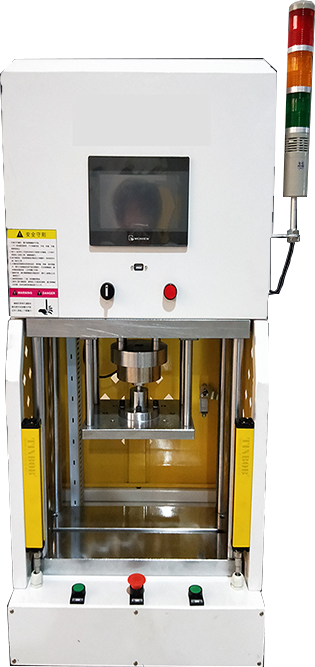
Many machines have HMI screens. HMI stands for Human-Machine Interface. These touchscreens let workers set speeds, check temperatures, and see alarms. Automation makes the Large Scale Vacuum Emulsifying Homogenizer safer and more reliable.
Safety Features
Safety is very important in factories. Machines must protect workers and follow strict rules. Key safety features include:
-
Emergency stop buttons in easy-to-reach places.
-
Safety guards and covers over moving parts.
-
Following international safety standards like CE and UL.
These features help stop accidents and keep the workplace safe. Workers can trust the machine to stop fast if something goes wrong.
Custom Options
Factories often need special features for their mixing machines. Orisun gives many ways to customize each machine. Buyers can pick different materials, heating or cooling jackets, and special circulation systems. Some machines have lids with sight glass for easy viewing, vacuum pressure gauges, and non-dead angle stirring for better mixing. Other options include hydraulic lifting systems, cleaning functions, and automatic process recording.
|
Customization Feature |
Description |
|---|---|
|
Heatin |